
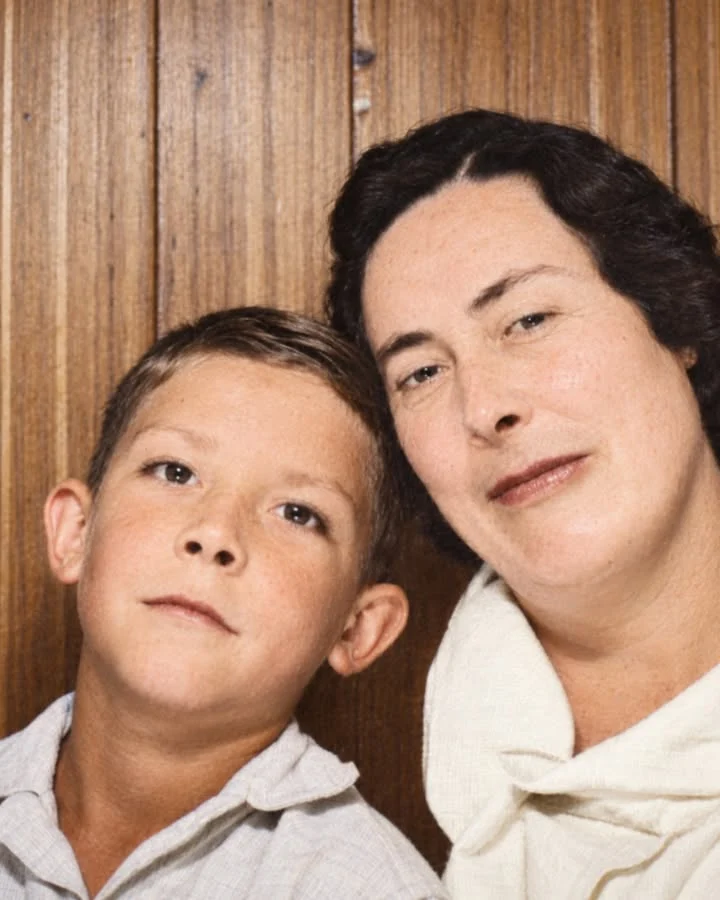

Hank Williams was a boy carrying a wound no one could see. His spine hurt with every step, and the red dirt of Alabama offered no doctor, no rest, and no mercy.
He was born on September 17, 1923, in Mount Olive, Alabama. His hidden condition was spina bifida occulta. It left the back of his lower spine incomplete and pressed on nerve roots. His skin gave no clue, but his body paid a heavy price.
His father Lon Williams had been wounded during World War I. Facial paralysis and lasting injuries sent him into long hospital stays. His mother Lillie worked boarding houses and took sewing jobs so the family could eat. Specialized care stayed far out of reach.
By the time the family lived in Georgiana, Hank was working like a small man with adult burdens. He shone shoes near the railroad tracks. He delivered newspapers before sunrise. He hauled freight crates at depots. Each heavy load strained an unstable back that no physician had examined or protected.
While other boys raced across schoolyards, Hank leaned against wooden rails and breathed through spasms. Sharp pain shot down his legs. He could not endure farm chores or rough games. Sitting down became survival, and the guitar became a way to rest while still working at music.
His mother bought him a Silvertone acoustic guitar. On wooden crates he could take weight from his spine while practicing chords. The steady rhythm gave his body a focus and gave his mind a door out of pain.
Around age twelve he followed Rufus ‘Tee-Tot’ Payne through Georgiana and Greenville. Payne was an African American street musician. Hank sat outside stores and courthouse steps and listened to slide tricks and blues turns. He paid with spare change and food while learning how to project a song against hard walls.
There was no safe clinic and no surgery for a poor boy in depression-era Alabama. Moonshine became a way to dull the ache. That relief turned into a dependence that followed him into fame long before doctors tried to help his back in Nashville.
He learned to sing around the hurt before the world ever heard his name.
When Hank formed his first Drifting Cowboys in Montgomery before his fifteenth birthday, the pain was already woven into his voice. The breaks and mournful lines that defined honky-tonk were not stage tricks. They came from a young man breathing through strain and turning private endurance into shared sorrow.
He later recorded thirty-five top-ten country singles and became the first inductee into the Country Music Hall of Fame in 1961. His deepest sound was not born under bright lights. It was born on rural corners where a hurting boy leaned his back against wood and made American music out of hidden pain.