
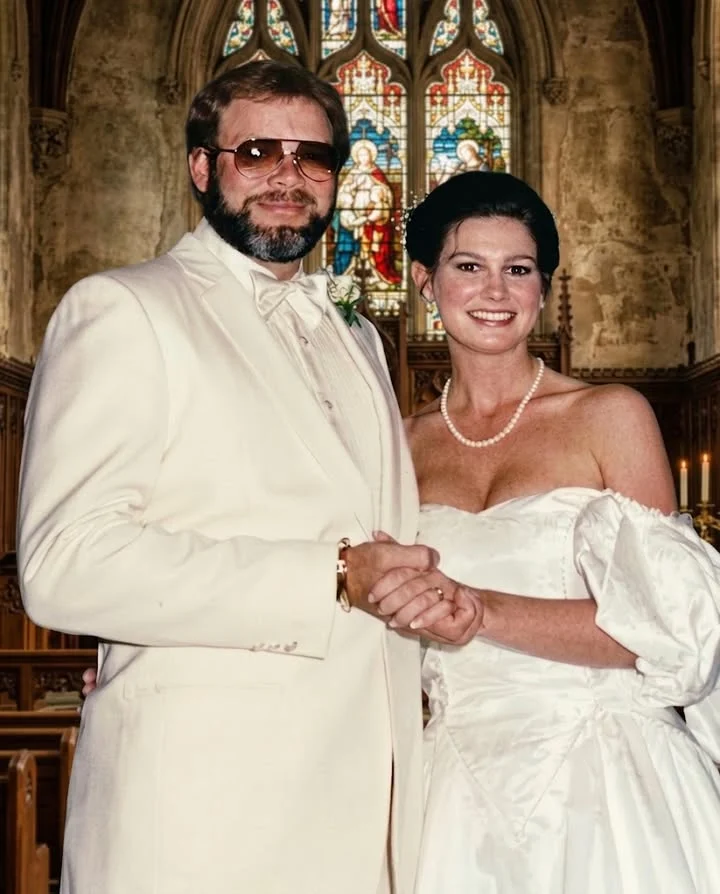
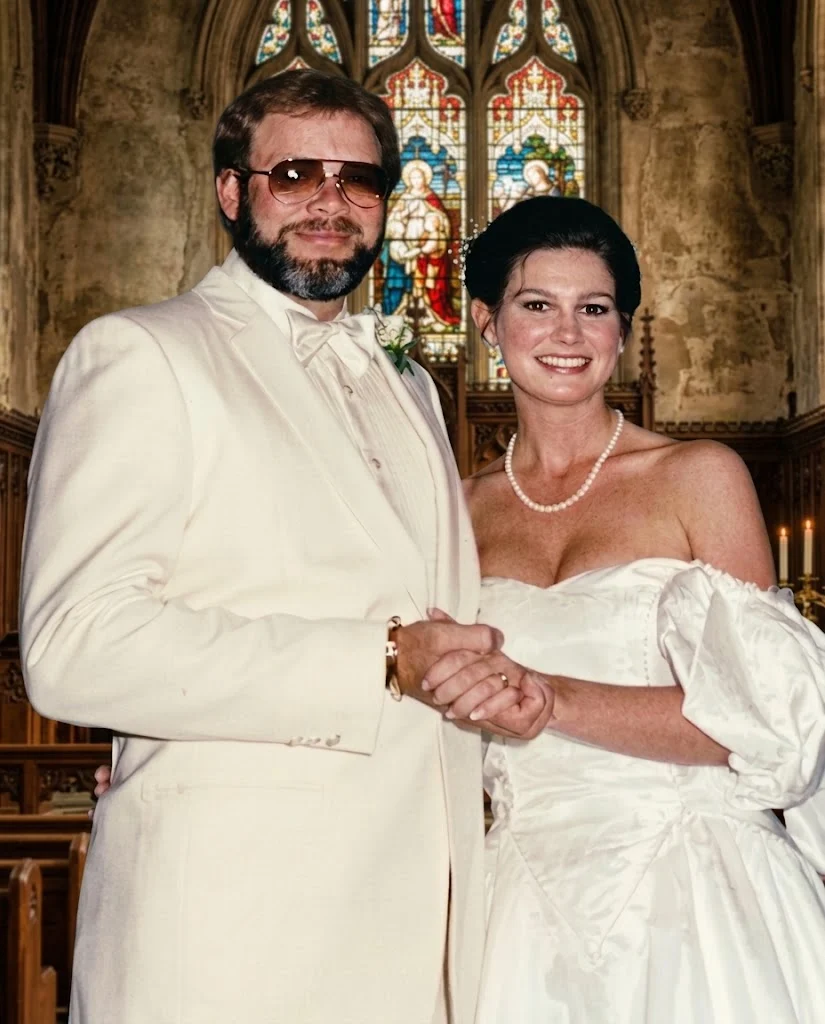
When Mary Jane Thomas died suddenly in 2022, Hank Williams Jr. lost the quiet force who had anchored him through thirty-two years of fame, family loss, and reinvention.
Their bond began in 1985 after one of his shows in Washington state. Five years later, on July 1, he was deep in his massive Lone Wolf tour and selling out arenas across the country. Yet he chose a small Congregational church near his ranch in Missoula, Montana, for their wedding.
There was no press and no industry crowd. Only fifty immediate family members and close friends watched the couple stand together. For a man raised under the heavy and chaotic legacy of his father, the remote mountain town offered a gentler reality.
Mary Jane gave Hank the stability he had long needed. The private life they protected at the Montana ranch became the ground they stood on through the highest peaks of his later career and the devastating loss of their daughter, Katie.
The Bitterroot Valley ranch was never just a vacation spot. It was a fortress away from Music Row. There, Hank could step out of the Bocephus persona and be a father and husband first. The couple built a private world where they could hunt, fish, and raise Katie and Sam surrounded by mountains rather than microphones.
This rugged independence echoed the spirit of his enduring song A Country Boy Can Survive. The track celebrates self-reliance, rural resilience, and peace away from city noise and expectations.
In the track’s defining moments he sings these words.
Because you can’t starve us out and you can’t make us run because we’re them old boys raised on shotguns.