
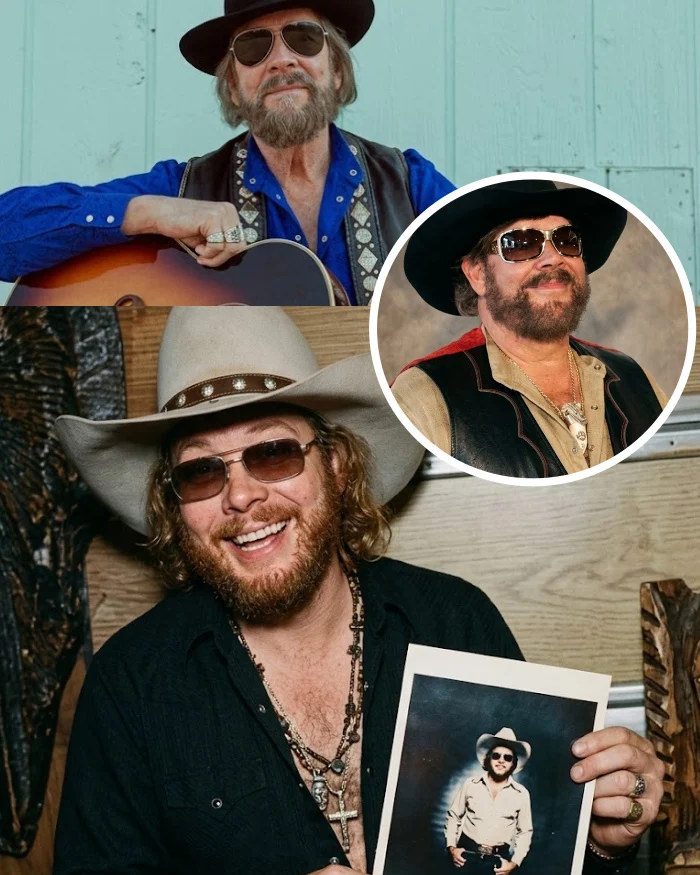
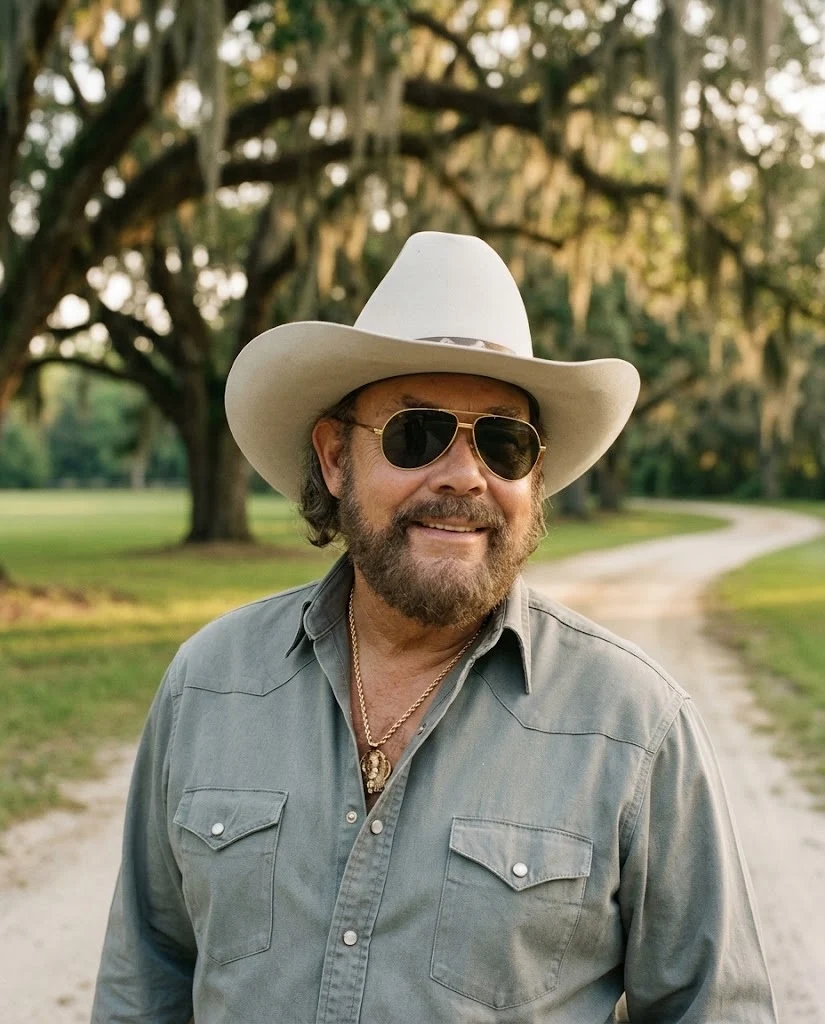
The dust settled after two marriages ended, and Hank Williams Jr. did not beg for sympathy. He chose honesty over heartbreak theater, and that choice changed the sound of country music.
By the early 1980s, Hank Williams Jr. had lived through the collapse of his relationships with Gwen Yeargain and Becky White. For years, the Williams name had been tied to sorrow built from loss and loneliness. His legendary father had turned private pain into weeping ballads that helped define the genre.
The Nashville industry expected a familiar script. Many assumed Hank Williams Jr. would step to the microphone, play the wounded man, and record mournful songs about being left alone. Instead, he walked into the studio and refused that role.
He did not hide behind blame. He said his own restless life on the road had made a calm home impossible. That admission became the emotional core of his new work. He respected the women who left rather than painting them as villains.
He used his radio platform to praise strong women who had the courage to walk away from chaos and claim freedom.
Songs like Outlaw Women carried that message. They honored independence and survival instead of mourning a failed romance.
But the message needed a new sonic frame. Working with producer Jimmy Bowen during sessions in the late 1970s and early 1980s, Hank Williams Jr. moved away from the polished Nashville Sound. The records lost sweeping strings and soft background choruses.
He brought in veteran Muscle Shoals players and Southern rock guitarists to build a heavier, driving rhythm section.
Many tracks were captured live in the room, preserving raw energy rather than sterile perfection. That production choice turned confession into defiance. His admissions of guilt sounded loud and unapologetic, not tearful.
Albums such as Whiskey Bent and Hell Bound and The Pressure Is On became defining country records of the era. They pushed the genre outward while giving Hank Williams Jr. a powerful Outlaw identity.
His 1980s image was not built on pretending to be invincible. It was built on broadcasting his untamable nature with brutal honesty.
The wreckage of his personal life became his greatest artistic weapon because he refused to hide it.
The women who walked away were not cast as villains. They were acknowledged as people who chose peace when he could not provide it.
By turning the studio into a place of loud truth, Hank Williams Jr. broke the generational cycle of the weeping country singer. He proved a heartbreak song could be honest, defiant, and strangely respectful.