
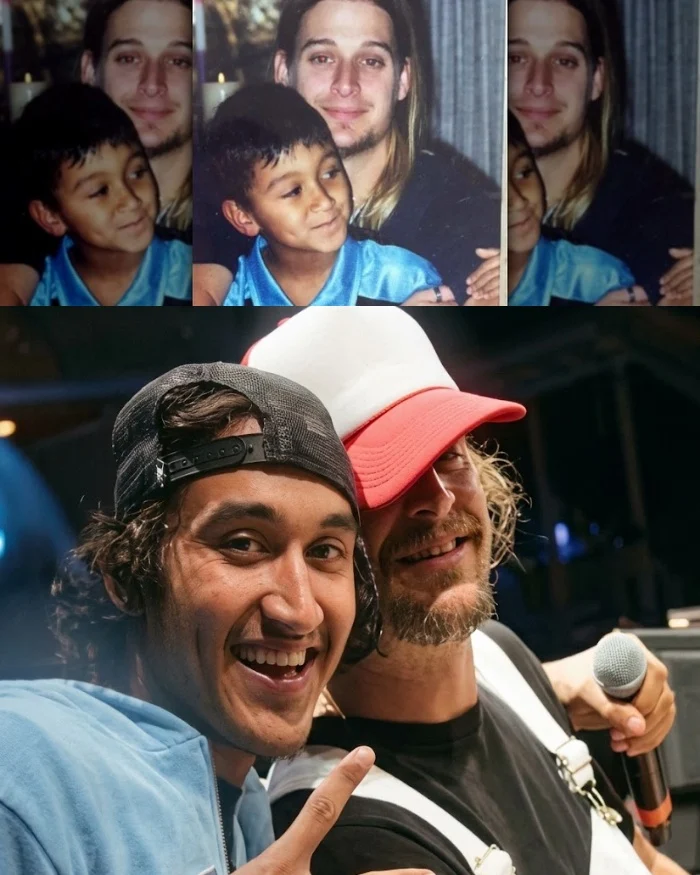
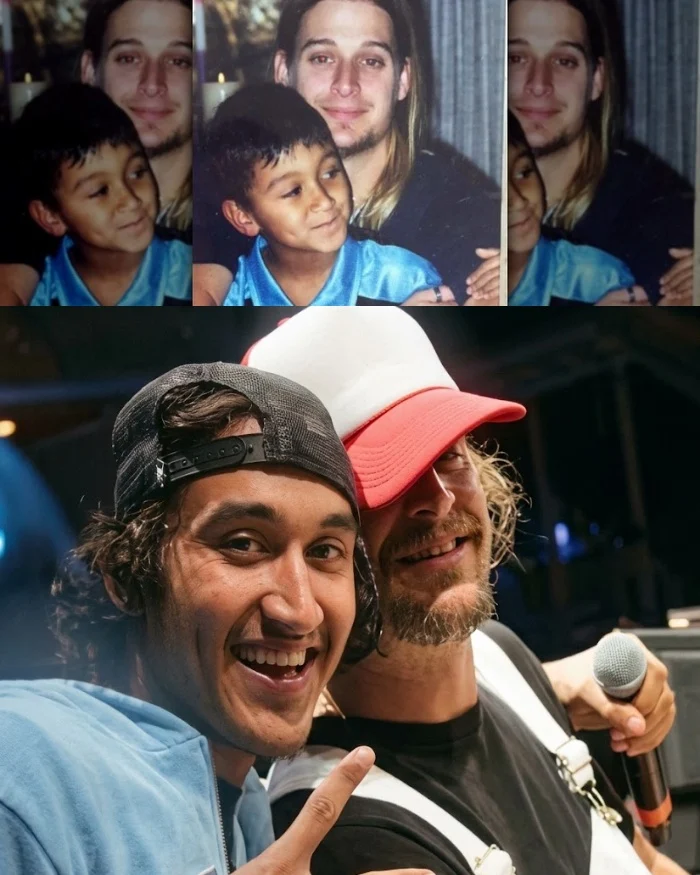
A six-month-old baby lay on a cold Michigan doorstep and a broke twenty-two-year-old musician with no record deal and no steady paycheck made the promise that would define his life. Bob Ritchie picked up his son Robert James Ritchie Jr. and carried him inside and from that moment the boy would have one shelter he could count on.
In late 1993 a court ordered DNA paternity test confirmed a truth that broke apart nearly a decade with his high school girlfriend. Of the children Ritchie had believed he was raising, only little Robert James Ritchie Jr. was biologically his. The child’s mother soon left with the other two children and left the six-month-old infant on his doorstep and Ritchie suddenly held complete responsibility for a baby with nowhere else to go.
He had every reason to feel overwhelmed. Jive Records had recently dropped him and his checking account was nearly empty and he had never cared for an infant alone. Yet he never searched for someone else to step in. He closed the door behind them and committed himself fully to fatherhood while his own future remained uncertain.
The drafty warehouse recording spaces and basement studios of Detroit became their unlikely nursery. Sound engineer Bob Ebeling watched Ritchie arrive for marathon sessions carrying diaper bags and cans of powdered formula and plastic bottles beside guitars and drum machines. Work and fatherhood now shared every inch of the room.
Between vocal takes he learned exact formula measurements and warmed bottles in bathroom sinks and timed mixing around his son’s naps. When sessions ran deep into the night the bassline was often turned down so the baby could keep sleeping in a padded basket near the engineer’s chair beneath the soft hum of the console.
The baby sleeping beside the mixing desk would never feel the cold of that front porch again.
Ebeling and a few loyal Detroit musicians became an improvised support network inside the control room. While Ritchie stood behind the vocal booth glass and cut a track, Ebeling watched the playpen and rocked the carriage with one foot while moving the faders with his hand. Together they kept the sessions moving and kept the baby safe.
Money stayed desperately tight through those winter months. Every small fee from underground hip-hop shows and local club bookings went straight toward warm clothes and wet wipes and doctor visits for Bobby Jr. Gear upgrades and studio extras were pushed aside completely so the essentials for his son never ran out.
Exhaustion followed him home after four-hour club sets ended in the early morning. Instead of lingering backstage with other musicians he drove through freezing Michigan roads to sterilize bottle nipples and wash stained onesies by hand and prepare the morning feeding before sunrise. Sleep could wait. His son could not.
Those grueling months stripped away any trace of rock star vanity. Ritchie learned to work faster and waste less time in rehearsals and run sessions with industrial discipline so daylight hours could belong to his son. He understood that a recording career could never come at the cost of his child’s safety and that lesson hardened into the steel inside him.
The reward arrived years later. Atlantic Records signed him in 1997 and Devil Without a Cause went on to sell fourteen million copies worldwide. Arena tours and massive success followed at the end of the decade but the habits formed on cold Detroit studio floors never left him.
Decades later Ritchie never traced his resilience to record contracts or stage lights. He traced it to the winter of 1993 and to quiet nights spent measuring milk bottles by the glow of a studio console while his baby slept nearby. Fame came later. Fatherhood came first and it built the man the world would later know as Kid Rock.