
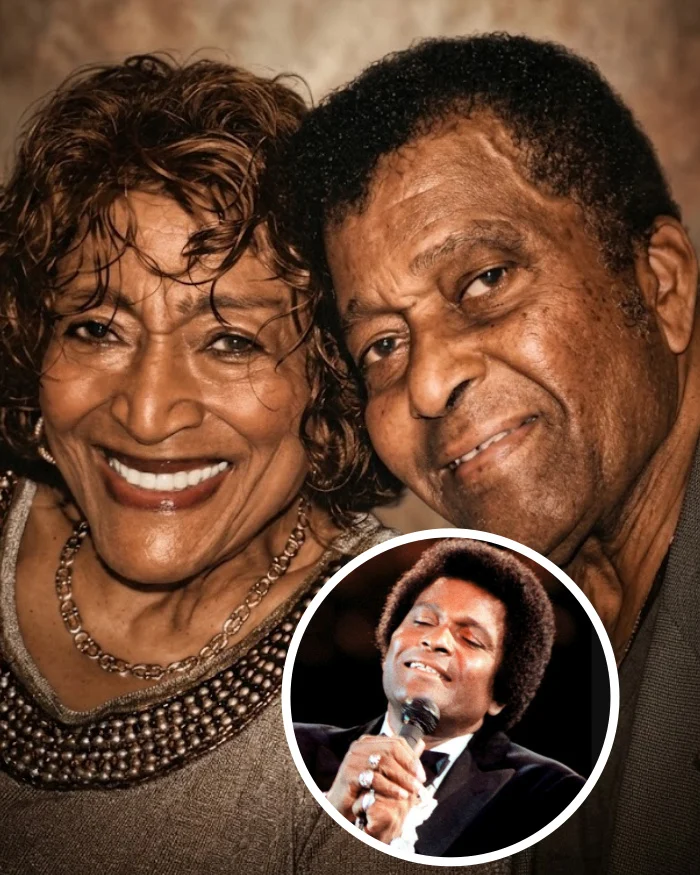
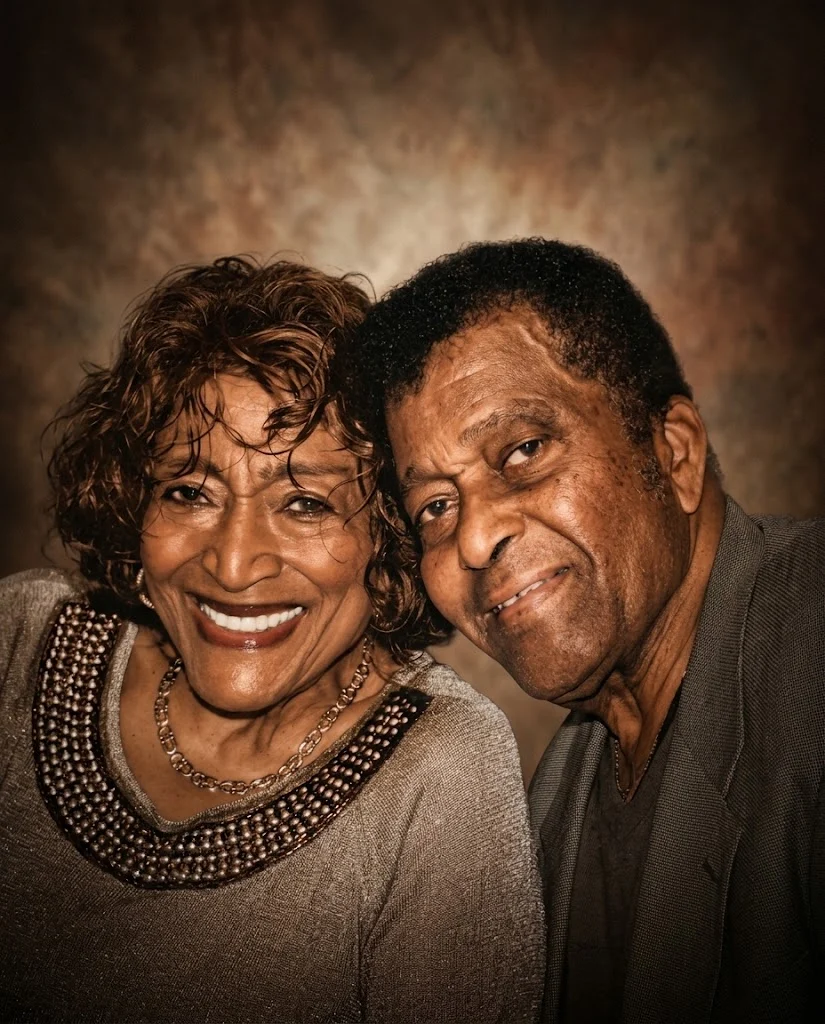
She saw the man behind the uniform long before the world heard the voice. Ebby Rozene Cohran met Charley Pride on a segregated baseball diamond in 1956, and that meeting became the foundation of a 64-year partnership that would help shatter country music’s racial barriers.
In 1956, Pride was a young pitcher chasing a dream with the Memphis Red Sox. Rozene was a fan with a tactical understanding of baseball inherited from her father. While many attendees treated weekend games as social gatherings, she stood out immediately. She talked sharp strategy, pitching mechanics, and the competitive fire needed on the dirt diamond. Pride was captivated by her intellect and her genuine love of the game.
By the end of 1956, the two were married. The shift from pitcher to recording star did not happen overnight. When his baseball career stalled in the early 1960s, the couple moved to Helena Montana. Pride took a grueling job at a zinc smelting plant and sang in local clubs and before semi-pro games.
Rozene saw the future more clearly than he did. She recognized that his rich baritone voice held a more viable path than his fading athletic ambitions. She encouraged him to take his musical talent seriously. When he caught the attention of Nashville figures like Chet Atkins and Jack Clement, she helped navigate the business side. She managed contracts, protected their financial interests, and kept their home stable.
Entering country music as a Black artist in 1966 required immense resilience. Early RCA records were sent to radio without a photograph, so programmers would judge Pride on sound alone. When he stepped onto Southern stages and faced silent and stunned crowds who had not known his race, he delivered flawless and charming performances. He stayed composed because his foundation off stage was secure. Rozene was his fierce protector, making sure he was treated as an artist rather than a novelty.
Their teamwork produced staggering results. Pride sold tens of millions of records, earned the Country Music Association Entertainer of the Year award, and entered the Country Music Hall of Fame. Through sold-out arenas and international tours, they kept a deeply private family life in Texas. Rozene never sought the spotlight. She remained the quiet, unshakeable force that allowed her husband to make history.
The man behind the microphone was built on the quiet enduring strength of the woman who first understood his pitch on a Memphis baseball field.
Their 64-year marriage ended when Pride passed away in December 2020 at age 86. He left behind a catalog that redefined a genre. Nashville will always celebrate the legendary baritone voice that changed country music, but the real story starts with a woman who knew what she saw on that dusty diamond in 1956.