
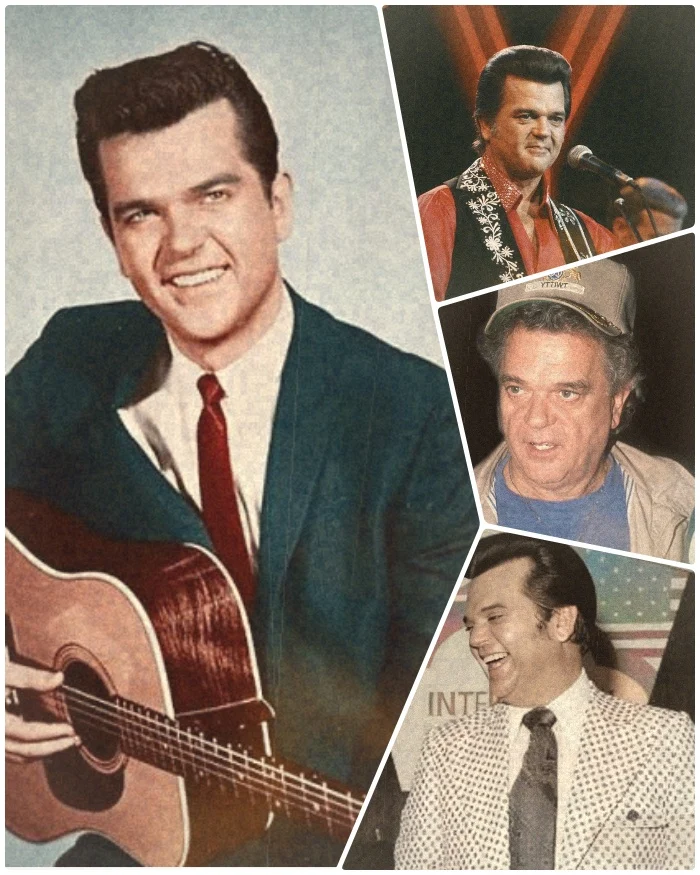
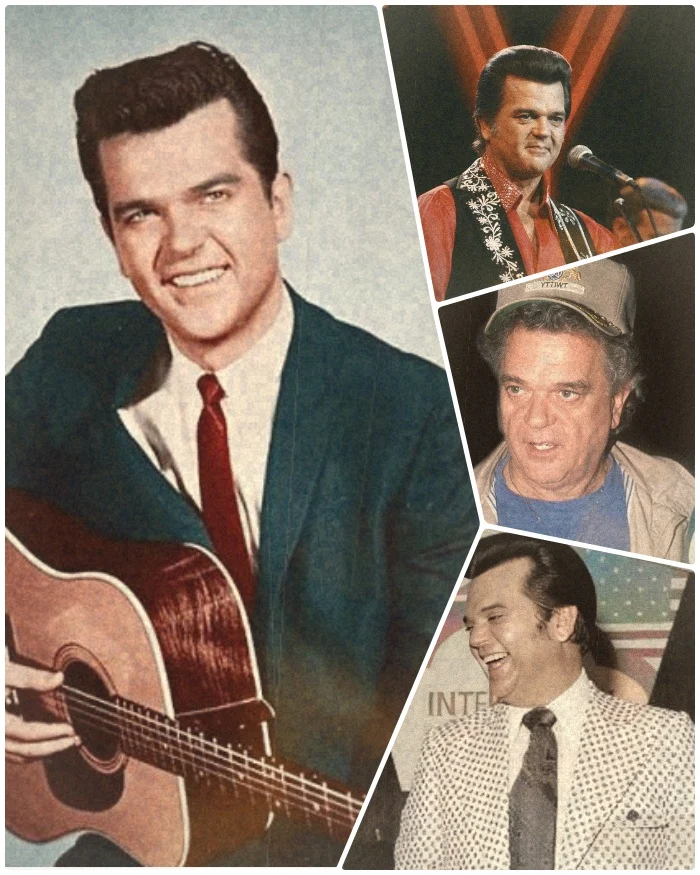
Before millions cheered for the legendary voice of Conway Twitty, a young veteran stood at a fateful crossroads with a professional baseball contract in one hand and an army draft notice in the other.
Stepping back onto American soil in March 1956 after serving in the Far East, twenty-two-year-old Harold Jenkins expected to walk straight onto a professional baseball diamond. Scouts from the Philadelphia Phillies had already offered him a contract right out of high school after watching him dominate local semipro competition with a stellar batting average, but Uncle Sam had interrupted those plans in 1954.
Overseas in Japan, however, something shifted inside him. Alongside fellow servicemen, he formed an army country band called the Cimarrons to entertain homesick troops across base clubs.
Watching the quiet faces of lonely soldiers while he sang showed him what a three-minute song could do for a restless room.
That realization planted a quiet seed that would soon rival his love for baseball.
Returning home to the American South, Jenkins heard Elvis Presley and Carl Perkins crackle through a radio speaker. The vibrant new rockabilly sound erupting out of Memphis convinced him that the world had changed while he was away. With his baseball glove packed away for good, he set the Phillies offer aside and began hustling through nightclubs and street corners across Arkansas, Mississippi, and Tennessee.
That fierce regional drive led him directly to 706 Union Avenue and Sam Phillips at legendary Sun Studio. Recording under his birth name, Jenkins cut driving demos like Rockhouse during the summer of 1956. Though Sun Records never issued his own vocal tracks, Phillips bought the song for his publishing company and handed it to a rising artist named Roy Orbison. Walking out of the studio without a hit record of his own could have sent Jenkins running back to a baseball dugout, but the songwriting credit proved his creative instincts belonged on vinyl.
By 1957, seeking a marquee identity, he studied a road map and combined Conway, Arkansas, with Twitty, Texas. That clever moniker birthed a timeless superstar who would eventually secure forty number-one country hits. Yet the diamond he left behind never truly vanished from his heart, ensuring that when he finally built his massive Twitty City estate in Tennessee decades later, a regulation softball field proudly stood at the center of the grounds.