
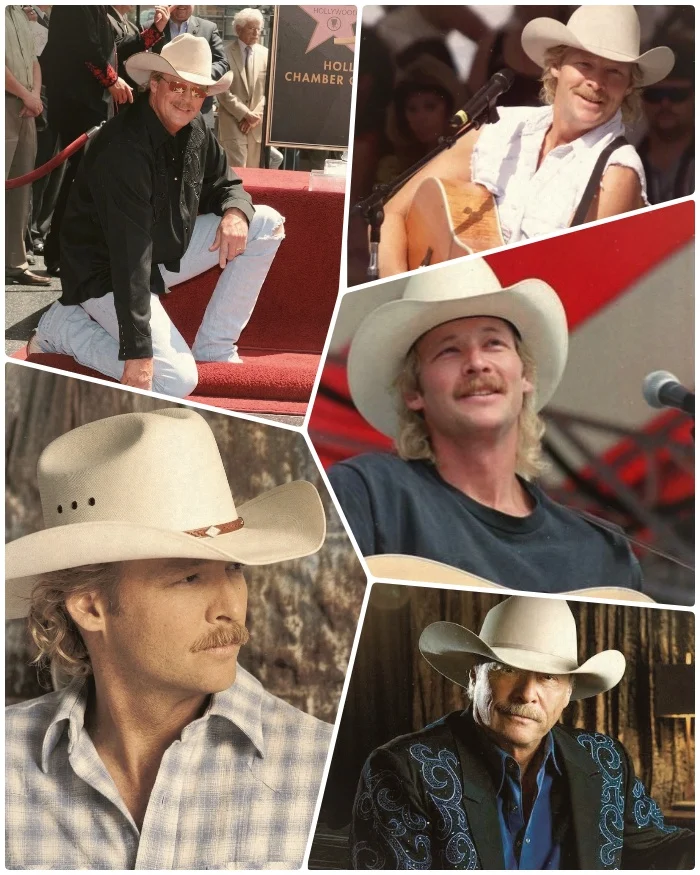
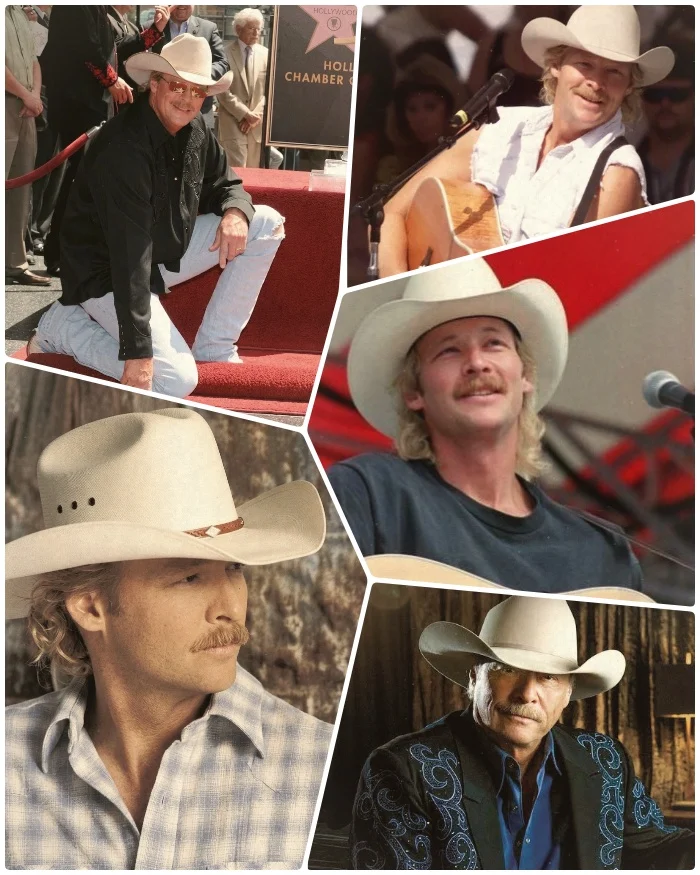
The Grand Ole Opry House went silent for a few heartbeats on Nov. 7, 2001. Alan Jackson sat alone on a wooden stool with an acoustic guitar across his chest, and when the final note faded, Vince Gill and Faith Hill rose in tears. The room followed. No one in the audience knew they had just heard a song that had almost stayed hidden in a drawer.
Ten days earlier, at four in the morning on Sunday, Oct. 28, 2001, Jackson woke in his Nashville home with a melody circling his mind. He walked downstairs in his sleepwear and hummed the quiet phrase into a pocket microcassette recorder so it would not disappear before sunrise.
For six weeks after Sept. 11, the forty-three-year-old Georgia native had stayed silent while louder and angrier reactions reached country radio. He had told his wife Denise and producer Keith Stegall that he did not want to write from anger or look as though he were cashing in on national grief.
He did not want to write anything built on anger or appear to cash in on national grief.
Later that Sunday morning, after Denise and their three daughters Mattie, Ali, and Dani left for church, Jackson sat alone in his study. Within a few hours he finished “Where Were You (When the World Stopped Turning),” a ballad built around ordinary Americans standing in everyday places when the news broke.
He sent a rough tape to Stegall the next day, Monday, Oct. 29, but still hesitated to release it. Denise read his handwritten lines through tears and urged him to share the song. She believed listeners needed the comfort of an ordinary working-class man admitting he did not understand complex global politics and was simply holding onto faith and family.
Stegall heard the demo and booked Nashville studio time so Jackson could capture the vocal while the emotion was raw. The master was finished less than a week before the 35th Annual Country Music Association Awards.
Jackson had been scheduled to sing his upbeat current single, “Where I Come From,” on the Nov. 7 broadcast. His manager Nancy Russell, Arista Nashville chief Mike Dungan, and CMA executive producer Walter Miller arranged a last-minute substitution. To keep leaks from turning the debut into a publicity stunt, the printed program stayed unchanged. Jackson rehearsed the new ballad inside a closed Grand Ole Opry House with only essential television crew and band members allowed in the room.
Hosted by Vince Gill before a capacity crowd, the CMA show gave Jackson no stage production and no announcement of what he was about to sing. Wearing dark clothes and his white cowboy hat, he walked to center stage and sat on that single wooden stool. The camera cut to fellow artists listening to a song none of them had heard before.
When the last guitar note faded, the room held still for several seconds. Then Gill, Hill, and the audience rose in a sustained standing ovation. Within hours, country radio programmers across the United States pulled the live audio straight from the television feed and played it on the air before Arista Nashville could ship promotional CDs.
Listener phone calls pushed the track onto the Billboard Hot Country Songs chart, and by December it reached Number 1. It held the top spot for five consecutive weeks and crossed over to Number 28 on the all-genre Billboard Hot 100. The song became the centerpiece of his January 2002 album Drive and swept the 2002 CMA Awards for Song of the Year and Single of the Year. It also helped Jackson win his second consecutive CMA Entertainer of the Year trophy. In February 2003, the ballad earned him the first Grammy Award of his career for Best Country Song.
Even after all that success, Jackson was reluctant to treat the track as a standard commercial release. He quietly directed a substantial portion of his publishing and artist royalties to relief funds supporting the widows, children, and families of fallen firefighters, police officers, and Sept. 11 victims.
Ten days separated a bedroom cassette tape from a wooden stool at the Grand Ole Opry House. In that short span, one songwriter’s private hesitation became the quiet grace millions of listeners needed to hear.