
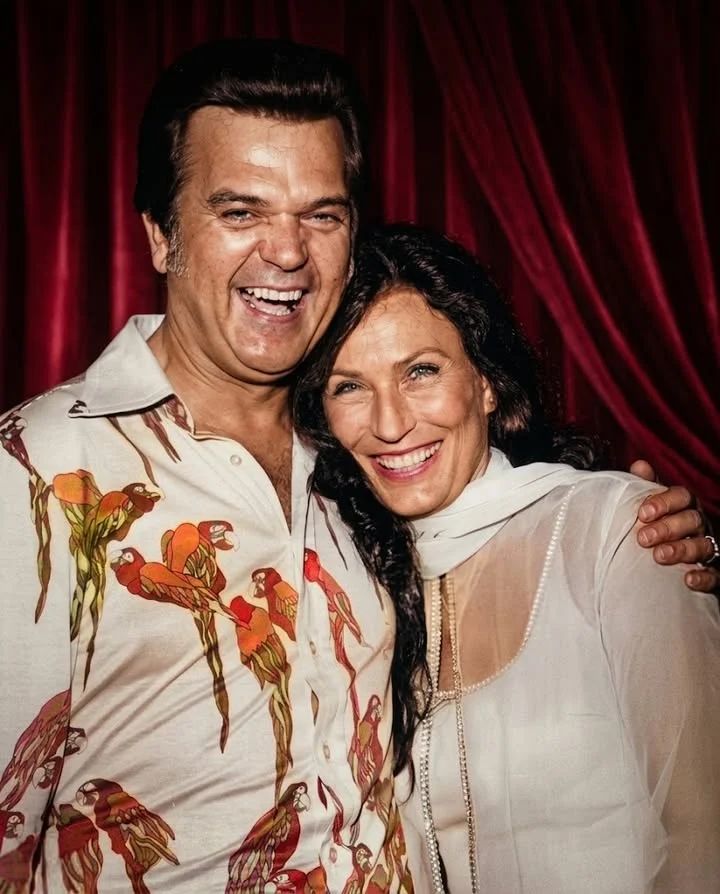
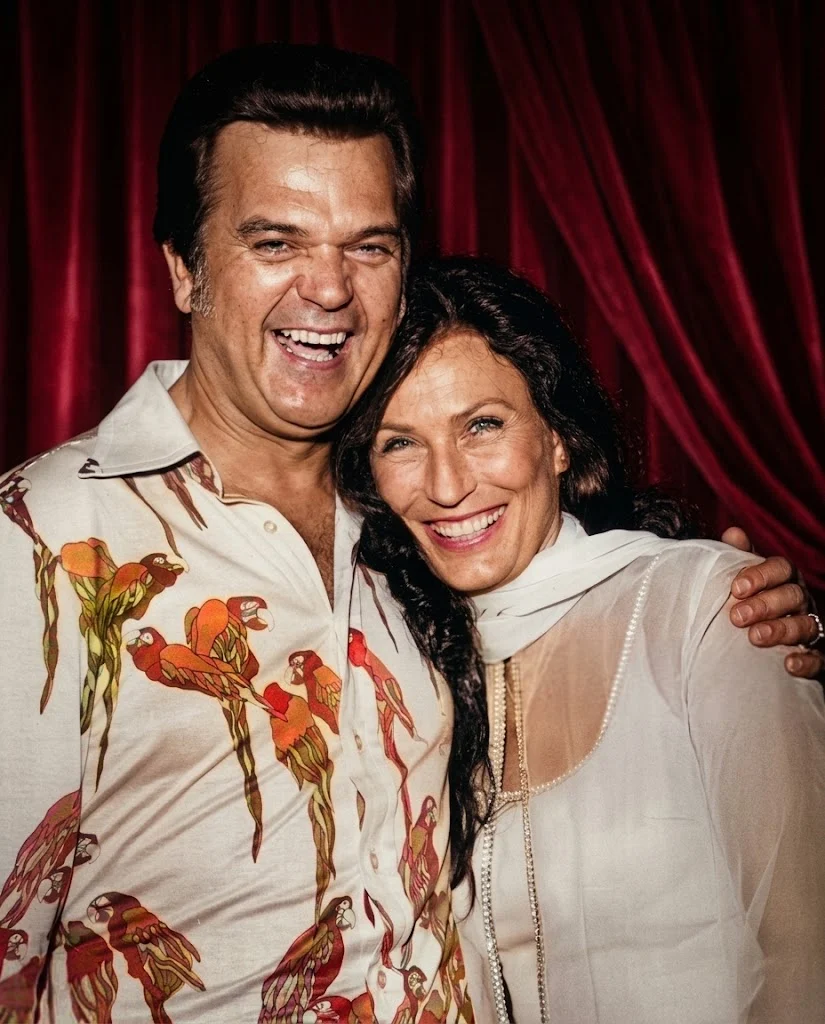
For years after Conway Twitty died in 1993, Loretta Lynn would still look to her right while singing their duets, tears falling because the microphone beside her stood empty. That quiet ache exposed the deepest truth behind the country music legend they created together. The voices fans heard were not merely heartbreak and temptation. They were trust.
Conway Twitty and Loretta Lynn became the most convincing pair of tormented lovers in country music. Their songs carried the sting of cheating, the pull of temptation, and the exhaustion of forgiveness. So many listeners assumed the stage chemistry was real life. Off stage, the bond was different, and it was stronger because it was not a romance.
The partnership ignited in 1971 with the release of “After the Fire Is Gone.” The song climbed to Number One and won a Grammy Award for Best Country Vocal Performance by a Duo or Group. That victory launched a rare run in Nashville. From 1972 to 1975, Conway and Loretta received the CMA Award for Vocal Duo of the Year four years in a row.
Over ten studio albums, they delivered five Number One hits, including the fiery classic “Louisiana Woman, Mississippi Man.” The pairing worked because their voices were opposites in the most natural way. Conway Twitty had a smooth, deep, growling baritone that felt polished and controlled. Loretta Lynn brought a sharp, honest Appalachian twang that cut through steel guitars and fiddles.
The blend was discovered inside Owen Bradley’s studio, Bradley’s Barn, during their Decca Records years. When they first recorded together, their phrasing did not match. It complemented. Conway Twitty paid close attention to Loretta Lynn’s breathing. He adjusted his own timing so their words could land together. They often faced each other at the microphones, turning a technical session into a real conversation.
They refused to sugarcoat marriage. Their songs gave voice to the messy, painful realities of love, betrayal, and the long road to forgiveness. That honesty made their duets feel lived in, not manufactured.
A great duet is not just two voices. It is two people trusting each other completely.
Because they played wounded lovers so convincingly under stage lights, rumors followed them everywhere. In truth, their connection was sibling-like loyalty. Conway Twitty became Loretta Lynn’s closest confidant and protector on the road. He offered quiet business advice, helped her navigate a male-dominated industry, and steadied her when life grew too heavy to carry alone.
When Conway Twitty died suddenly in 1993, the country music world lost a giant. Loretta Lynn lost more than a duet partner. She lost a brother, a guardian, and a piece of her own musical soul.
Years later, the absence remained vivid. Whenever Loretta Lynn sang their famous parts alone, fans could see the tears. Her eyes would search the space beside her, looking for the steady presence that once answered her every line.
Conway Twitty and Loretta Lynn built the gold standard for country duets. The records still prove the vocal magic. The friendship proves why that magic lasted.