
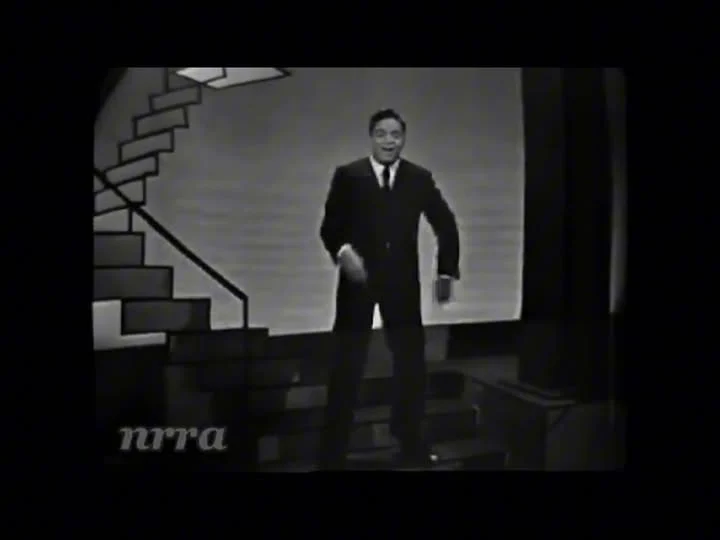
The night of September 29, 1975, at the Latin Casino in Camden, New Jersey, remains one of music’s most haunting ironies. Jackie Wilson was onstage delivering his signature hit Lonely Teardrops when he sang the words “My heart is crying” and collapsed into a coma that would last nine years. That tragic moment has forever fused the man’s theatrical pain with the song’s very essence. Yet before that devastating finale, there was the creation of a record that reshaped American music and launched an empire.
Released in late 1958 on Brunswick Records, Lonely Teardrops was never just a song. It was a declaration that Black R&B could inhabit the grandest pop arrangements of the era. The track came from a legendary partnership: Berry Gordy Jr., his sister Gwendolyn Gordy, and Roquel “Billy” Davis wrote it together. Veteran arranger Dick Jacobs took Wilson’s raw, gospel-honed voice and wrapped it in velvet and gold while keeping the emotional core thrillingly exposed. The result became the title track of Wilson’s second album, released in 1959, and shot to the top of both R&B and pop charts.
The song’s opening is pure drama. Strings enter on a high, sustained chord, followed by a frantic pizzicato run that feels like a racing heartbeat. Then the rhythm section kicks in with a brisk, almost galloping shuffle. A bright, slightly metallic guitar lick repeats throughout, grounding the orchestral sweep in a familiar R&B pulse. The piano provides subtle harmonic stability, while the backing choir layers gospel grandeur like a Greek chorus pushing Wilson higher. It is a marvel of mid-century studio craft.
But what makes this track immortal is Wilson’s vocal performance. He begins with restraint, his tone clear and rich as he sings about a never-dry pillow. Then the dynamics build relentlessly toward the first chorus. When he leaps into “I just can’t take it, knowing that you hate it,” his voice stretches into an operatic falsetto with controlled, gospel-inflected vibrato. The power is overwhelming. The listener is swept away regardless of the melodrama.
His voice was the human equivalent of a trumpet blast, a pure, thrilling, utterly unrepeatable sound that cut through the studio’s orchestrated opulence.
This performance transcends genre constraints. The song doesn’t ask for sympathy; it demands attention. The production is almost too clean for its raw lyrical sentiment, creating a fascinating tension between glamour and grit. It is a tragedy you can dance to, a fundamental American contradiction at its finest.
In 1959, if you wanted to test a new premium audio system, Lonely Teardrops would have been your benchmark. Its full orchestra, complex vocal lead, and deep dynamic range showcased what high-fidelity playback could achieve. Meanwhile, a young Berry Gordy watched the royalty checks roll in and realized the power of his vision. He took the lessons from this emotionally explosive crossover hit and built the Motown empire. Lonely Teardrops stands as the uncredited prologue to that saga.
Listening Recommendations
- Sam Cooke with his song You Send Me for its similar crossover appeal and smooth yet powerful vocal delivery that blends R&B with sophisticated pop
- The Platters with The Great Pretender for the same grand operatic arrangement style and high-drama vocal
- Etta James with At Last for a soaring vocal performance backed by a magnificent cinematic string arrangement
- Ray Charles with Hallelujah I Love Her So for that infectious exuberant energy and foundational R&B gospel feel with more jazz influence
- Ben E. King with Spanish Harlem for an exquisite early 60s pop soul blend of vocal sincerity and subtle sophisticated orchestral sweep