

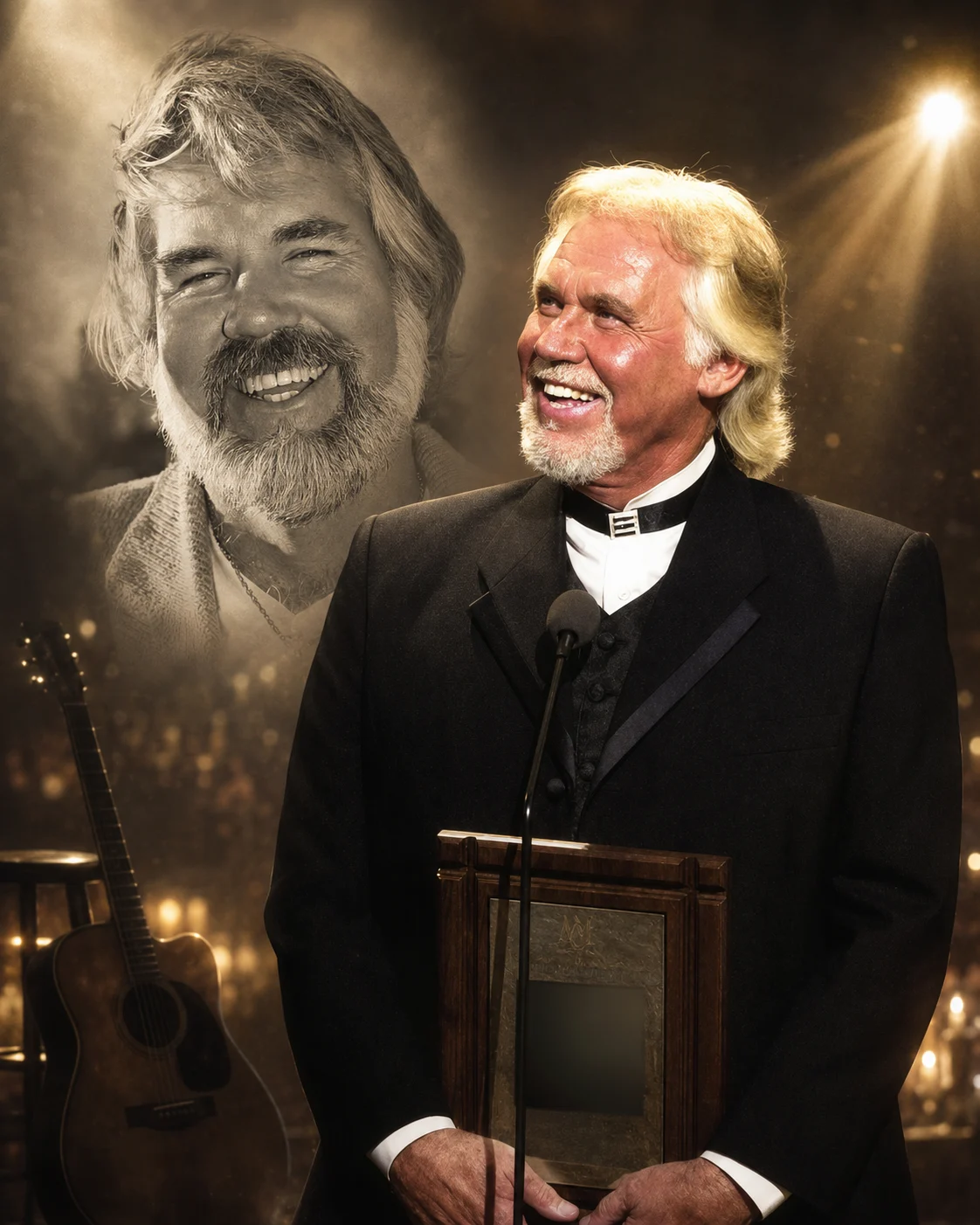
Before the day could claim its first quiet hour, Kenny Rogers was already holding it close.
In 1985, “Morning Desire” became another No. 1 country hit for Rogers, yet its real weight was never in the chart alone. The song came from The Heart of the Matter, written by Dave Loggins and produced by George Martin. Those details explain the craft behind the record. They do not explain the hush that settles when Rogers begins to sing.
By then, his voice had already become one of country music’s most trusted sounds. He had carried stories about gamblers, dreamers, lovers, and people standing at hard crossroads. He never seemed to chase a listener. He waited.
“Morning Desire” belonged to that same patient strength. It did not arrive as a declaration. It did not depend on heartbreak. It did not need a slammed door or a midnight goodbye to make its point.
It simply opened a room.
The song moved at its own pace, like early sunlight easing through curtains before anyone has spoken. It held the feeling of two people protecting a private hour, knowing the day would soon ask them to become ordinary again. Work. Noise. Distance. Goodbye.
Rogers sang with warmth that never grew heavy and tenderness that never felt weak. He let the moment breathe between wanting and letting go. Another singer might have pushed harder. He chose restraint, and that restraint made the quiet feel complete.
Sometimes longing begins while the one you love is still beside you.
Country music often leaves its deepest marks through pain. A goodbye at midnight. A truck pulling away. A confession at a bar. A letter that never gets mailed. “Morning Desire” found another doorway. It showed that longing did not always have to come from loss. Sometimes the heart already misses what has not yet ended.
That is a quieter truth, and Kenny Rogers knew how to sing quiet truths. He did not turn intimacy into performance. He kept his voice steady and close, the way someone speaks when they do not want to wake the rest of the house.
That is why the record lasted beyond its moment on the charts. Not because it was loud. Because it trusted softness.
For fans, “Morning Desire” became more than a romantic song from a familiar voice. It became a reminder that country music could hold warmth without losing depth. It could stand in a quiet room and still say something lasting.
Kenny Rogers had many songs remembered for their stories. This one is remembered for its atmosphere. A room before morning fully arrives. A voice that does not rush. A feeling that knows the day is coming, but asks for one more minute anyway.
Sometimes the softest songs stay because they never try to leave.