
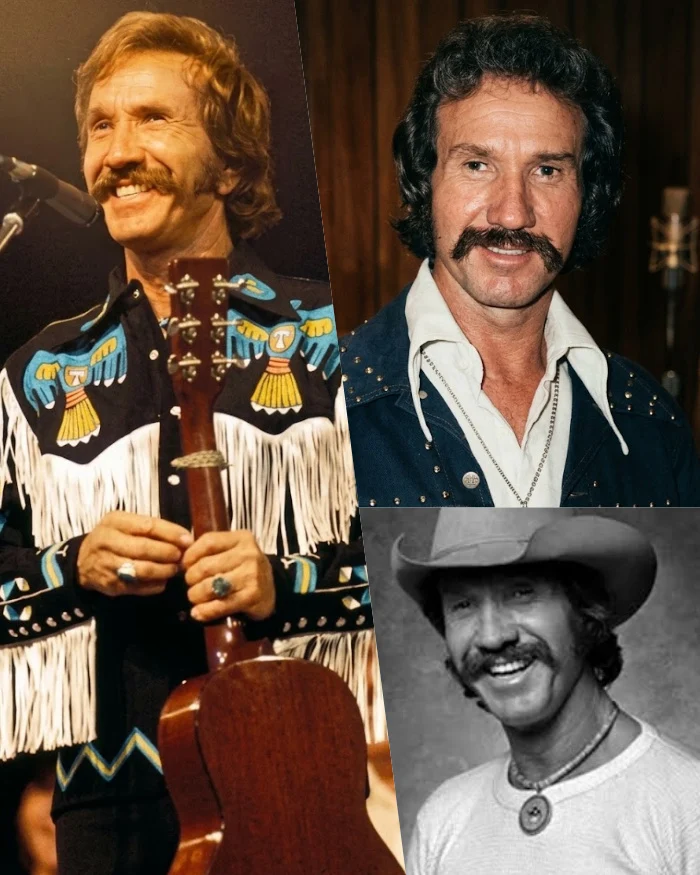

The applause faded, the radio moved on, and Nashville filled the silence with tributes. Ronny Robbins stayed behind, guarding a name the world loved but never truly saw.
He was born carrying a gift that could feel like a sentence. His voice held the warmth of country music storytelling, and his bloodline carried the echo of Marty Robbins. When he sang, older fans closed their eyes and heard a desert wind moving through the past.
Columbia Records saw that echo and turned it into a label. The company signed him, yet the public was not introduced to Ronny Robbins as his own artist. The name sold to them was Marty Robbins Jr.
That choice looked like a shortcut. It became a quiet erasure. Ronny wanted to become himself, but every door opened for him seemed to lead back to his father.
Marty Robbins had already made country music feel like a Western film. His songs carried dust, danger, heartbreak, and lonely riders walking toward fate. El Paso felt like a doomed love story sung in three minutes. Big Iron moved like a gunfighter standing at noon.
So when Ronny stepped toward a microphone, the room already had a hunger. It wanted the father. It wanted the old sound. It wanted yesterday returned without the trouble of time having passed.
Then December 8, 1982 changed everything. Marty Robbins died at 57, leaving hundreds of songs, two Grammy Awards, and a silence that Nashville honored before moving forward.
Ronny did not move forward in the same way. He stepped away from chasing hits and chose the harder road. He helped protect Marty Robbins Enterprises. He watched over the catalog. He kept the songs alive.
That work rarely made headlines. It happened in offices, on phone calls, in careful decisions, and in small rooms where history depended on someone still caring enough to answer.
He carried El Paso, Big Iron, and those desert stories onto smaller stages. County fairs. Tribute nights. Theaters filled with people who remembered the first time Marty Robbins came through the radio.
When Ronny sang, the room often went quiet. Not because he was pretending to be his father. Because love can sound close to grief when it is carried faithfully enough.
There is a lonely nobility in protecting another person’s legacy, especially when that person is your father. Ronny lived between gratitude and shadow for more than forty years. He was too devoted to walk away, and too often unseen to stand fully in his own light.
Then Fallout New Vegas brought Big Iron to millions of younger listeners. Marty Robbins came back, not through a Nashville campaign, but through a song that had survived long enough to be found again.
Marty came back because Ronny stayed.
Sometimes the man who saves the legend is the one history forgets to thank.
He kept the name alive not by stealing the spotlight, but by standing guard when the spotlight moved away.