
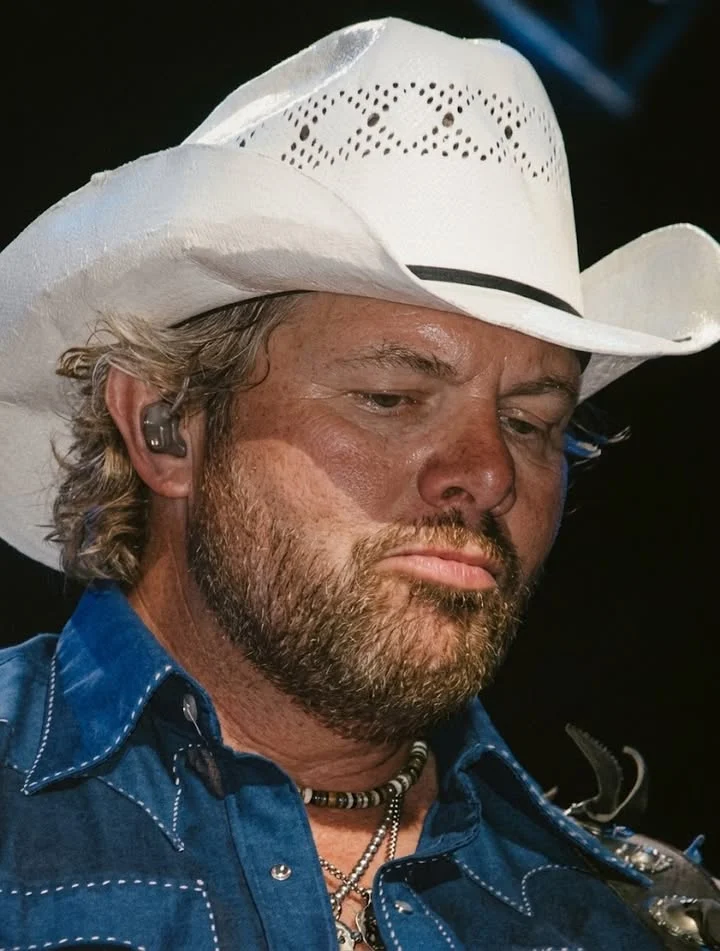
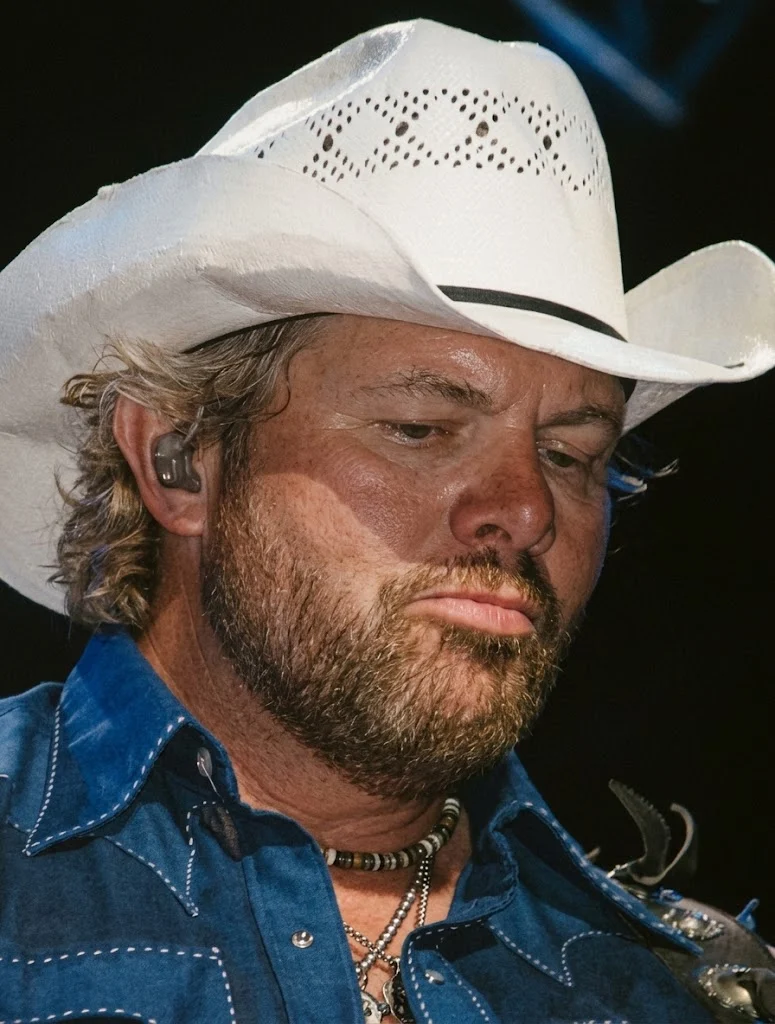
The winter wind bent the colors across Oklahoma and for a moment the whole state seemed to hold its breath. The lowered flags on public buildings were not just a government formality. They were a heavy goodbye from a homeland that had watched Toby Keith carry its pride into dangerous places.
On February 6, 2024 Governor Kevin Stitt signed an executive order that is usually reserved for top officials or fallen service members. American and Oklahoma state flags were to be flown at half-staff until sunset the next day. The move honored Keith, a native son born in Clinton and raised in Moore, who had grown from oil field work into a country music voice known for love of country. He was 62.
The visual was quiet and powerful. Across towns, government grounds, and state properties, the fabric dipped in the cold. The order pointed to Keith as someone who inspired respect for the country and its flag. When the sun set on February 7, the official period ended. Yet the image remained for fans and veterans alike.
He spent his life making sure the flag stood high and the state answered by letting it bow for him
For many veterans, the tribute felt like a final salute to a brother without a uniform. Keith did not only sing patriotic lyrics from arenas. He brought his guitar to active war zones and performed on 18 USO tours for more than 250,000 service members. His travels included 17 countries, with stops in Iraq, Afghanistan, and Kosovo.
He stepped into military transport choppers and austere desert bases. He gave deployed troops a fleeting piece of home. Those visits built a legacy that reached far beyond his 20 number one hits. While in Afghanistan, he noticed how isolated remote outposts could be and pushed for simple comforts to reach soldiers stationed away from main bases. That concern helped spark the USO2GO program.
He often spent two weeks away from his own family to return year after year to troops. The state farewell typically reserved for heads of state reflected that long pattern of service. The true weight of the moment came from the contrast. The man who had stood under full flags on stages and in combat zones was now being honored by the flag lowered in his absence.
When the flags rose again after sunset, Oklahoma closed a public chapter on a relentless patriot. The lowered colors were more than grief. They were a country acknowledging that his music had always been an act of service.