
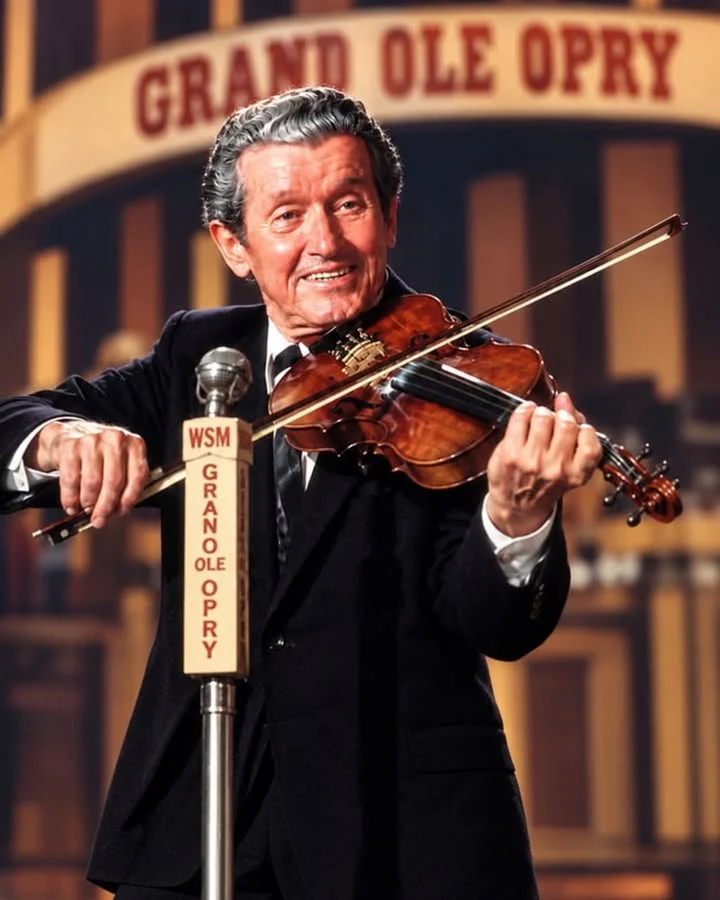
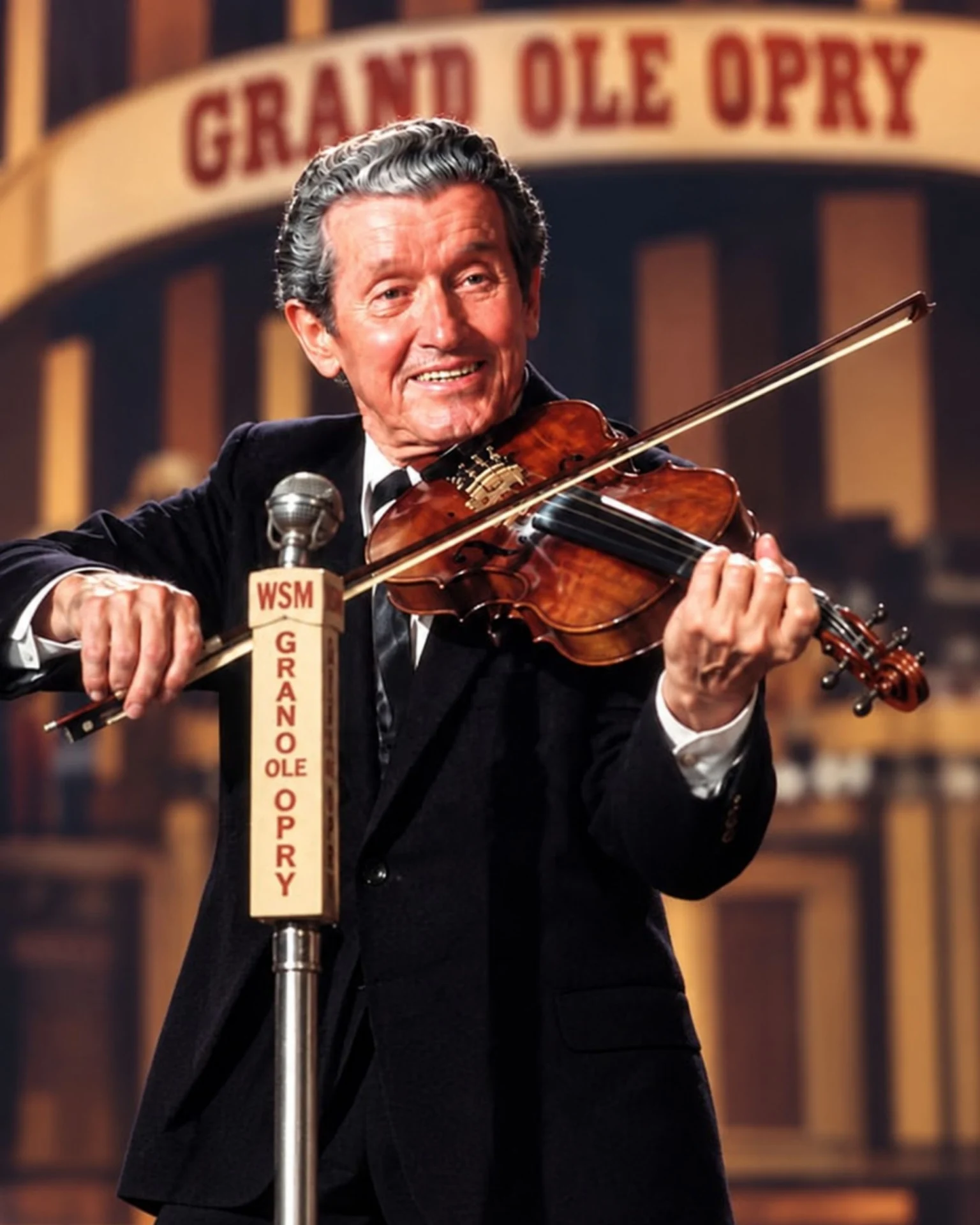
The loudest applause Roy Acuff ever heard did not come from the Grand Ole Opry stage. It came from the silence of a ledger book where a song’s value outlived its singer. By 1942, Acuff was earning roughly $200,000 a year, a fortune for a country performer. His records sold, his touring shows packed roads, and the Opry placed him at the center of its star system. Yet that same year, Acuff put his name on a business with no audience, no applause, and no visible stage. Acuff-Rose Publications began with Acuff and songwriter Fred Rose. Nashville had singers, radio programs, and recording sessions, but it lacked a major country publishing company capable of keeping songs and their long-term earnings inside the city.
Performers and writers regularly surrendered copyrights to distant firms or sold songs outright without understanding what later recordings might be worth. Acuff supplied money, stature, and the needs of a working performer. Rose understood song structure, copyright administration, and the larger publishing world. Their company initially gave Acuff control over his own material, then opened its doors to other writers. On April 12, 1948, Hank Williams signed an exclusive agreement with Acuff-Rose. Rose became his editor, publisher, and producer, helping bring discipline to songs whose language remained unmistakably Williams’s own.
“A song written in Tennessee could be registered, promoted, licensed and paid from Tennessee.”
The resulting catalog continued producing income long after the singer’s death. Other writers followed: Felice and Boudleaux Bryant, Don Gibson, Roy Orbison, and many more. Their songs traveled through recordings by artists far beyond Nashville, but the paperwork returned royalties to a company based there. Acuff’s recording career eventually cooled. Honky-tonk and smoother country voices moved ahead of his older string-band sound. The publishing company kept growing. By then, Acuff had helped establish a principle that would shape Music Row: Nashville did not have to supply talent while New York, Chicago, or Hollywood owned what the talent created.
Audiences remembered Acuff standing beneath the Opry lights with a fiddle nearby. Much of his lasting power, however, rested in an office where someone opened an envelope, read a royalty statement, and entered another song into the ledger. The fiddle returned to its case. Inside the office, the ledger stayed open.