
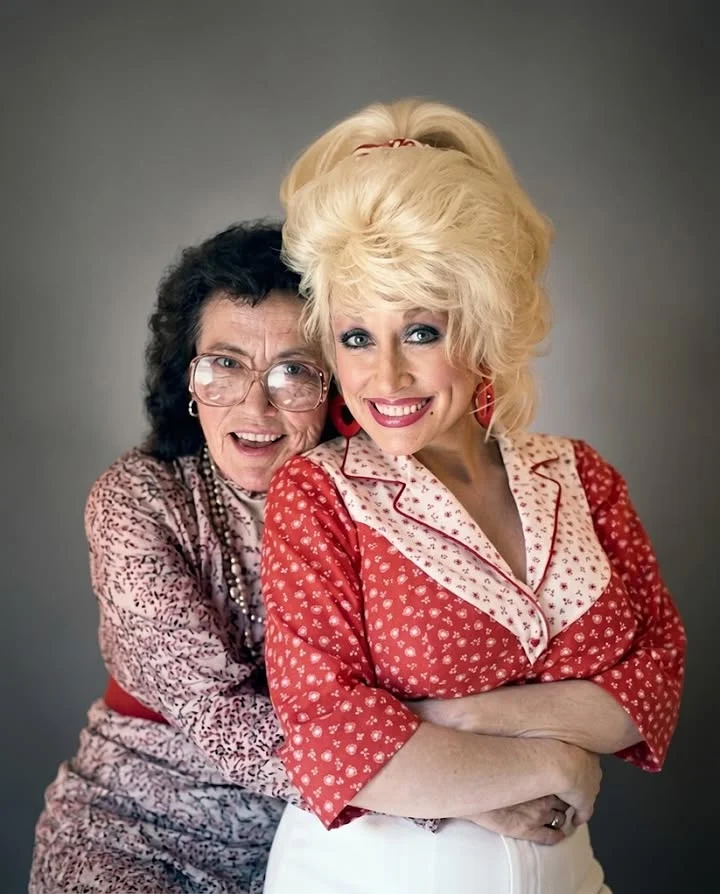
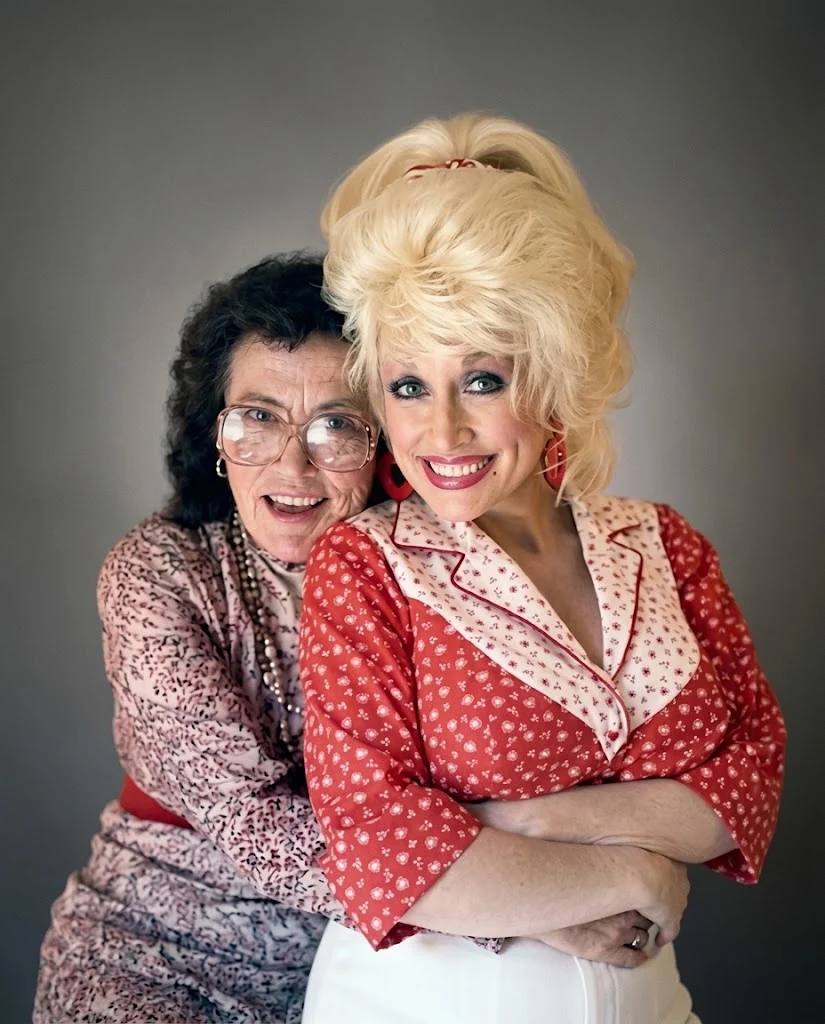
At ten years old, Dolly Parton walked away from a television studio with her first paycheck and gave every dollar to her mother.
That small payment was not for candy or toys. It became flour, lard, and medicine for a family of fourteen living in a one-room cabin in Locust Ridge. The young singer from an isolated Appalachian hollow understood early that her voice could keep her family fed through harsh mountain winters.
The Parton household survived without electricity or indoor plumbing and depended on sharecropping, foraging, and odd jobs in the Great Smoky Mountains. Her break came through The Cas Walker Farm and Home Hour, a popular morning program broadcast across East Tennessee. Cas Walker ran a demanding show while promoting his grocery markets and featuring local country and bluegrass talent. Parton’s uncle Bill Owens helped arrange her audition, and the ten-year-old walked into his studio with fearless confidence.
Singing had been a childhood game on her dirt porch, but the studio lights turned her gift into a lifeline.
Walker rarely handed out long-term spots to newcomers, yet Parton impressed him with discipline and stage presence. He kept her on the roster and booked her repeatedly across radio and television broadcasts, making her a familiar name in the Knoxville viewing area years before she finished school. That negotiation revealed the fierce business instincts she developed long before Nashville. While classmates in Sevierville played after school, she commuted to Knoxville, balanced lessons, and treated every performance as work that supported the people at home.
That sacrifice shaped a lifelong mission. The child who surrendered her wages to feed her siblings later built Dollywood in Pigeon Forge, creating jobs and lifting the local economy. She also supported medical facilities, local fire departments, and the Imagination Library, sending free books to children around the world.
Her story shows that real greatness is measured by the lives an artist chooses to protect and uplift.