
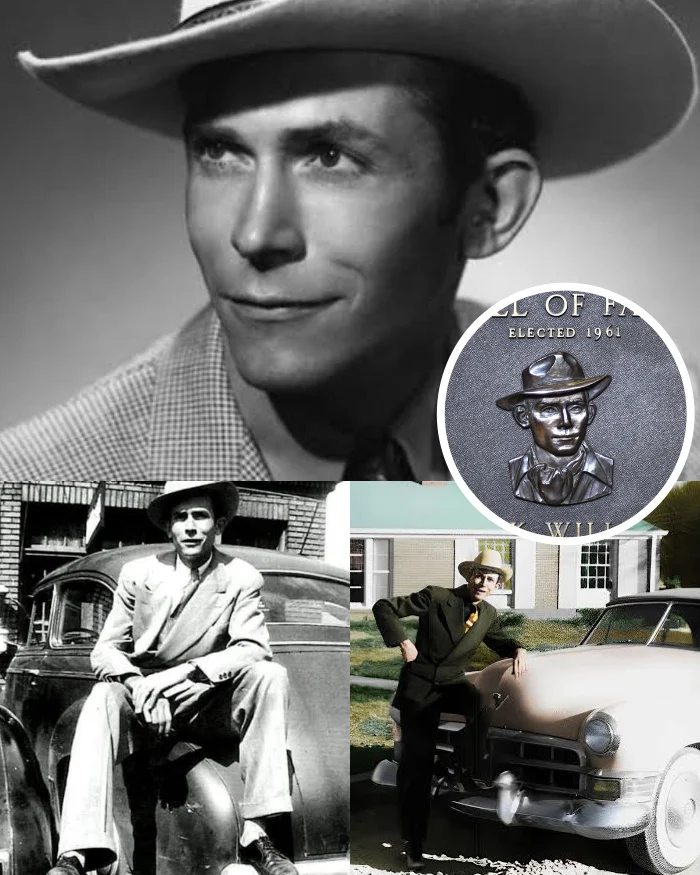
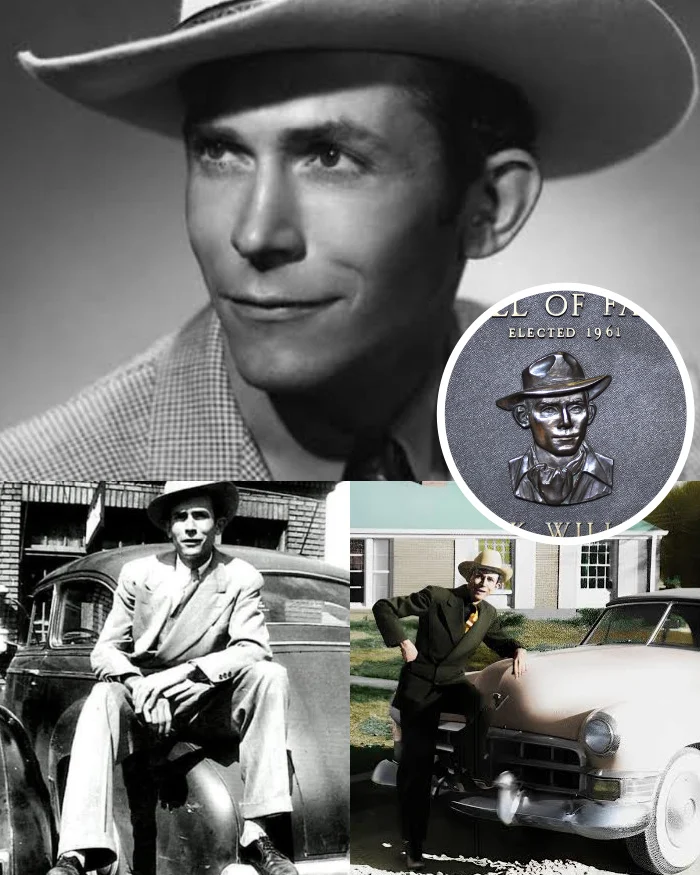
The laughter in the Canton auditorium stopped the instant the curtain rose. A grieving band stepped into the lights, and thousands of fans understood that the country music star they had waited for would never appear. Hank Williams was already dead.
On December 31, 1952, a brutal winter storm stranded a flight out of Knoxville, Tennessee. The plan for a New Year’s Day concert in Ohio collapsed into a desperate overland gamble. Charles Carr, a local college student, was hired to drive Williams through freezing roads in a powder-blue Cadillac while the singer rested in the back.
Williams was 29 and worn down by years of pain, alcohol, and prescription drugs. A lifelong spinal defect had left him in constant agony, and he had climbed into the limousine wrapped in a heavy coat before the overnight drive through the Appalachian Mountains.
During a stop in the bitter cold, Carr reached back to adjust the coat and found the singer unresponsive. He rushed to a hospital in Oak Hill, West Virginia. A doctor confirmed the fatal heart failure had occurred in his sleep.
Farther north, about 4,400 fans packed the Canton Memorial Auditorium. They had come for the most famous voice in country music. Backstage, fellow performer Hawkshaw Hawkins and the other booked acts learned that their headliner was already in a morgue.
The promoters faced a cruel choice. Akron radio disc jockey Cliff Rodgers walked to the center microphone and told the restless crowd that Williams had died on the way to the show.
Instead of shock, laughter rolled through the room. Williams had a long history of missed appearances and erratic behavior, so many fans believed the announcement was just another excuse.
The crowd laughed because they had been disappointed before, and grief had not yet arrived.
The mood broke when the curtain opened. Hawkins and the musicians appeared visibly shattered. They were weeping. They did not launch into a standard upbeat set. They stepped to the microphones and sang I Saw the Light, the gospel classic Williams had written and recorded in 1947.
The stunned silence that followed was heavy. Hawkins struggled through the verses, and the fans slowly realized they were witnessing an impromptu memorial. Then the auditorium began to sing with the band, finishing the hymn together.
Williams never made it to the Canton stage. The Cadillac stopped for good in West Virginia, but the raw farewell left in the room carried his songs beyond his fragile life and into legend.