
The first thing Mickey Medley saw was not a bidding paddle. It was a stranger walking past auction officials with a bundle of Conway Twitty’s private love letters in his hands.
He reached her gently and placed the letters in her palms.
Ma’am I believe these belong to you
No price was demanded. No applause was sought. In a room built around money and loss, his quiet kindness protected a mother’s most fragile memories.
That moment happened during a painful October 1994 auction in Hendersonville, Tennessee. More than three thousand pieces of Twitty’s life were offered to fans and collectors over three days. Dee Henry, his third wife, arranged the sale after the singer’s sudden June 1993 death from a ruptured abdominal aortic aneurysm.
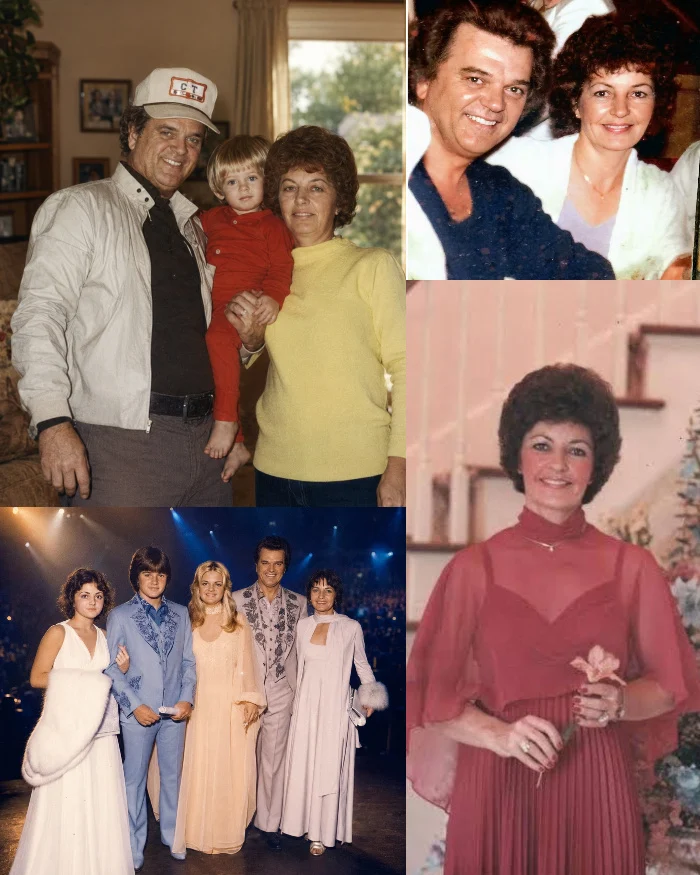
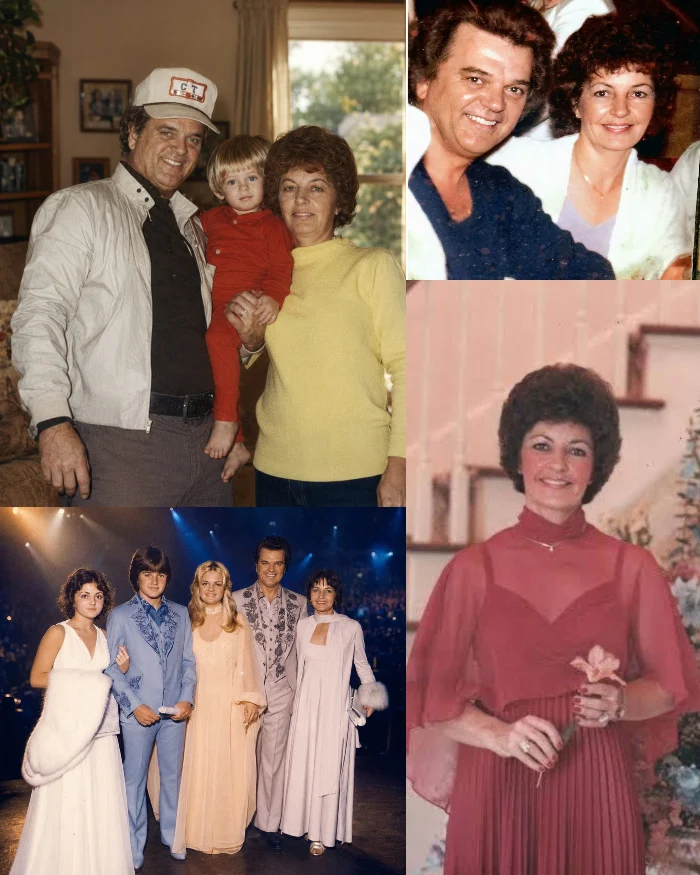
The letters were not ordinary stage relics. They were intimate words Conway Twitty had written to his second wife Temple Mickey Medley. She was the mother of his four children. For her, each page carried youth, family, and a bond that no estate process should have reduced to merchandise.
The auction was the visible wreckage of a bitter legal fight. Twitty left a massive fortune, a lucrative publishing catalog, a complex business structure, and an outdated will. He had married Dee Henry in 1987 but never revised his legal documents. Under state law, a widow was entitled to one-third of her late husband’s estate, regardless of the will’s contents.
That legal reality set Twitty’s widow and his four adult children against one another. At the center stood Twitty City. The sprawling nine-acre tourist attraction was also a residential compound. For a touring legend who had missed much of his children’s early years, Twitty City was his anchor. He had built homes there so his children, grandchildren, and aging mother could live just steps away.
While the estate remained trapped in court, a probate judge ordered liquidation. The family’s sanctuary had to be dismantled. Twitty’s children and his mother were forced to leave the homes he had built for them. The property was later sold to a religious broadcasting network.
The October sale made that heartbreak public. Family members watched their heritage be tagged, appraised, and carried away by strangers. Dee Henry spent thousands of her own money to buy back a car, jewelry, and a jukebox. Several of Twitty’s children, disillusioned by the process, refused to bid on their own history.
Yet the loss of objects did not end the fight for his legacy. Years later, his four children pooled resources and launched a new effort to reclaim what mattered most. Through a multi-million dollar agreement, they purchased absolute rights to their father’s name, image, and intellectual property.
They could not stop the probate judge’s orders. They could not prevent the gavel from falling on the homes they had lived in. But much like the stranger in the auction tent, they ensured that the deepest parts of Conway Twitty’s story found their way back to the people who loved him.