
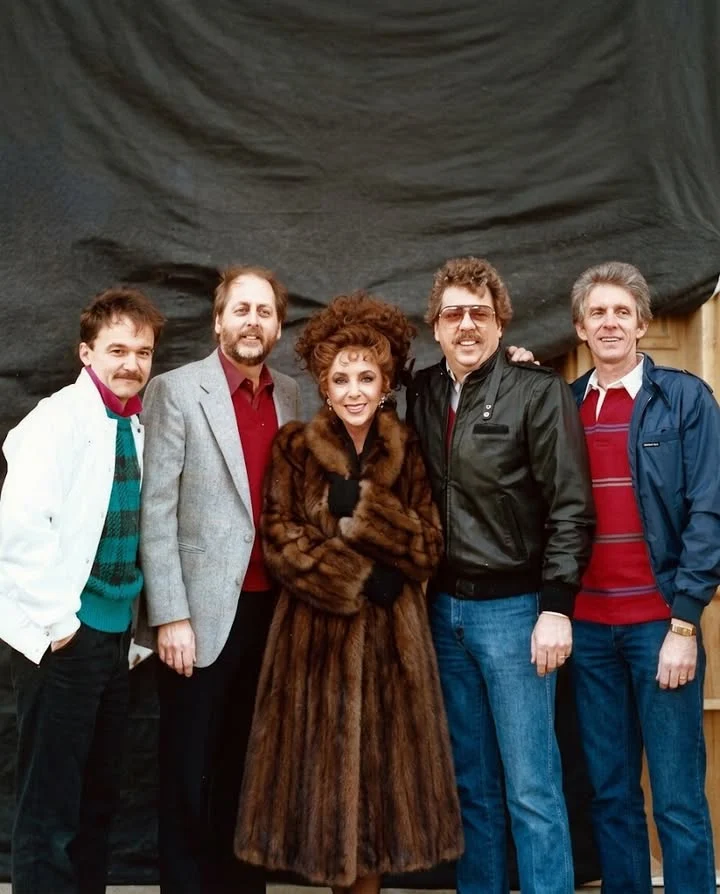
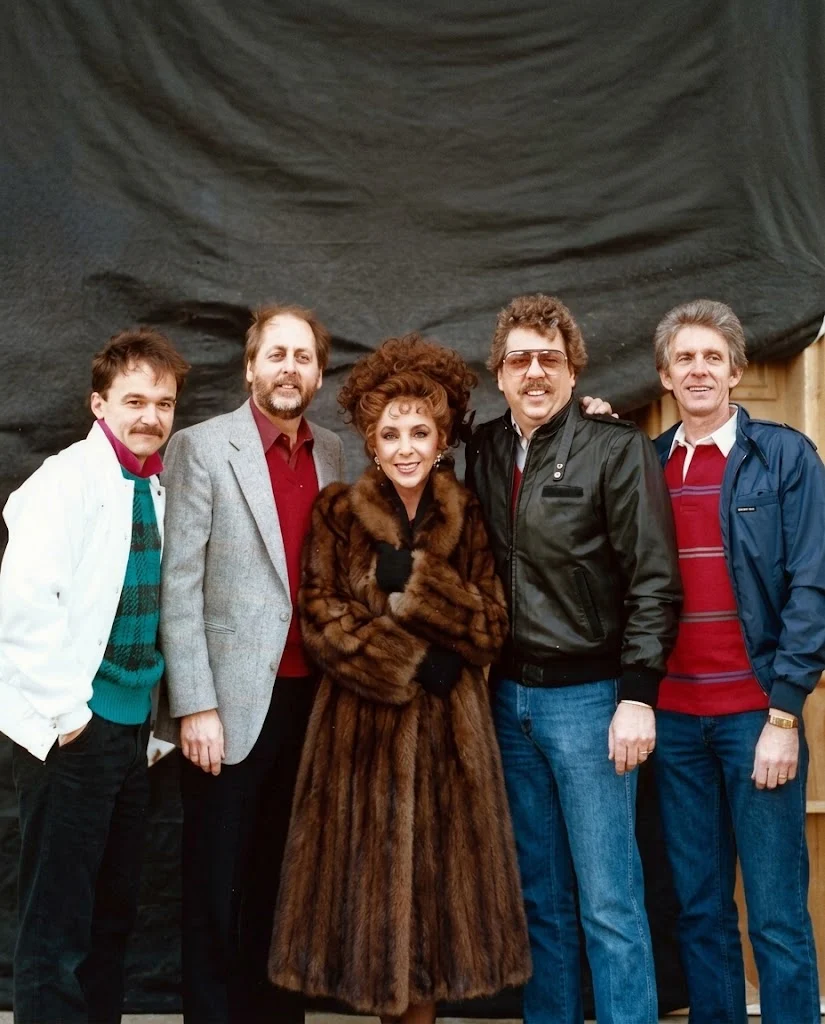
The day Don Reid stepped onto the small Staunton stage country music received its missing heartbeat. His brother Harold had already shaped a tight gospel quartet with Phil Balsley and Lew DeWitt, but the departure of Joe McDorman left a hole that threatened to silence their dream. Rather than search for a stranger, Harold turned to family. That single decision completed a four voice architecture that would carry the group through four decades.
In those early years the sound was built in church sanctuaries and county singing halls. Harold anchored every song with a booming bass and a quick stage wit. Phil gave the quartet a steady baritone foundation that rarely drew attention but held everything together. Lew rose above the mix with a clear tenor that could make a crowded room feel like a quiet Sunday morning. Don took the center position with a warm lead voice and a natural gift for turning ordinary moments into lasting story songs.
That simple sibling substitution locked into place a four-part harmony that would endure for four decades
The bond between the two brothers gave the group a warmth no amount of practice could copy. That was especially true when they moved from gospel to country and pop crossover territory. Their church trained discipline let them glide from hymns to hits without losing the blend that made them instantly recognizable.
One important break came in 1964 when Johnny Cash heard them perform. Cash invited the young Virginians to join his traveling show, and for eight and a half years they opened for him and sang behind him on the road. Their international breakthrough arrived with the song “Flowers on the Wall” which earned the group its first Grammy Award.
The beloved tune proved their voices could command mainstream airwaves. The Statler Brothers went on to win the Country Music Association Vocal Group of the Year honor nine times. Yet fame never pulled them to Nashville. They chose to remain in Staunton and eventually bought their old elementary school building to use as their business headquarters.
Living at home kept Don’s songwriting grounded in real life. He wrote “The Class of ’57” and “I’ll Go to My Grave Loving You” from the memories and faces of the people around him. Those everyday stories helped the group keep a direct connection with their audience.
The group’s closeness only deepened during a 1990s television variety show that dominated The Nashville Network. When Lew’s health forced him to retire in 1982, Jimmy Fortune stepped in without breaking the group’s run. The final tour ended in 2002, but the recorded legacy remains a masterclass in vocal arrangement.