
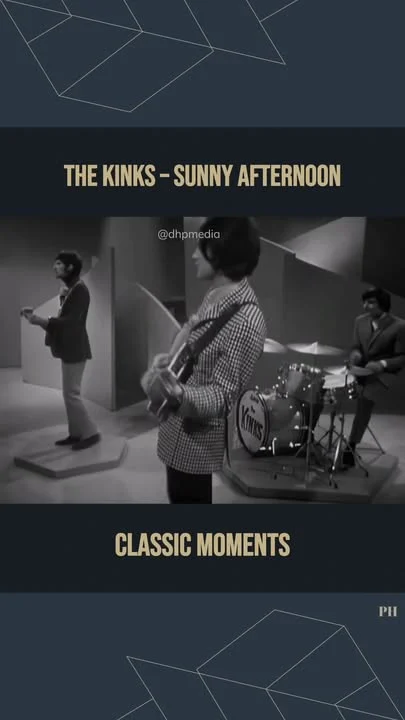
The opening notes of Sunny Afternoon are deceptively simple a descending bassline that feels like the lazy tumble of a summer day. But then Ray Davies voice enters dripping with irony and resignation
The tax man’s taken all my dough And left me in my stately home Lazing on a sunny afternoon
And the listener realizes this is no ordinary beachside reverie. Released in 1966 on the album Face to Face the song became an instant classic precisely because it refuses to let the sunshine be uncomplicated. It captures a mood of leisure tangled with discontent a feeling that remains remarkably fresh more than half a century later
Face to Face marked a turning point for The Kinks. The band had burst onto the scene with raw guitar-driven hits like You Really Got Me but by 1966 they were evolving into something more introspective and narrative driven. Often hailed as one of the first concept albums in rock music Face to Face wove together themes of social class personal reflection and societal observation. Within this tapestry Sunny Afternoon sits as the centerpiece a perfect microcosm of the album wit and melancholy
Davies wrote the song during a difficult period when taxes and the pressures of fame weighed heavily on him. These personal struggles bleed into the lyrics which tell the story of a wealthy man lamenting his lost fortune and status while reclining in the supposed solace of a sunny day. The juxtaposition of a light hearted melody with biting commentary is what makes the track so brilliant
The instrumentation itself paints a picture of lazy luxury. A warm upright bass opens the track with a distinctive descending line that sets a unhurried mood. Softly strummed acoustic guitar adds an earthy folksy quality while the electric guitar punctuates the arrangement with twangy surf inspired flourishes. A piano delivers a baroque style melody that complements the whimsical yet melancholic tone. The rhythm section with brushed snare drum and understated cymbals keeps everything anchored without overpowering the delicate arrangement
Ray Davies vocals are delivered in a languid almost conversational tone that perfectly embodies the protagonist resigned attitude. His voice slightly nasal yet charming carries an air of mockery and self pity that makes the character feel achingly authentic. Sparse vocal harmonies add depth to the breezy atmosphere without ever stealing focus
The lyrical genius lies in its duality. On one level the song is a sharp satire of the wealthy elite and the British tax system. On another it speaks to universal hardships the inevitable squeeze that life applies to everyone. The chorus with its sing along plea of Save me save me save me from this squeeze is both humorous and poignant a tongue in cheek cry for sympathy that feels timeless
Decades later Sunny Afternoon continues to resonate. It has been covered by numerous artists appeared in films and even inspired a stage musical that chronicles The Kinks rise to fame. The song also paved the way for more eclectic sounds on later albums like Something Else by The Kinks and The Village Green Preservation Society proving that popular music could tackle complex themes without sacrificing accessibility
Fans of Sunny Afternoon often find themselves drawn to other songs that capture a similar blend of melancholy and sunshine. The Beatles Here Comes the Sun offers an optimistic counterpart while The Rolling Stones Ruby Tuesday combines whimsical instrumentation with poignant lyrics. Bob Dylan Lay Lady Lay provides a similarly mellow acoustic driven experience. Simon & Garfunkel The Only Living Boy in New York mirrors the introspective quality with lush harmonies. And Donovan Mellow Yellow shares that playful satirical edge
So next time you find yourself lazing on a sunny afternoon let this song be your soundtrack. It is as refreshing as the warm summer sun but with a knowing wink that suggests even paradise has its price