
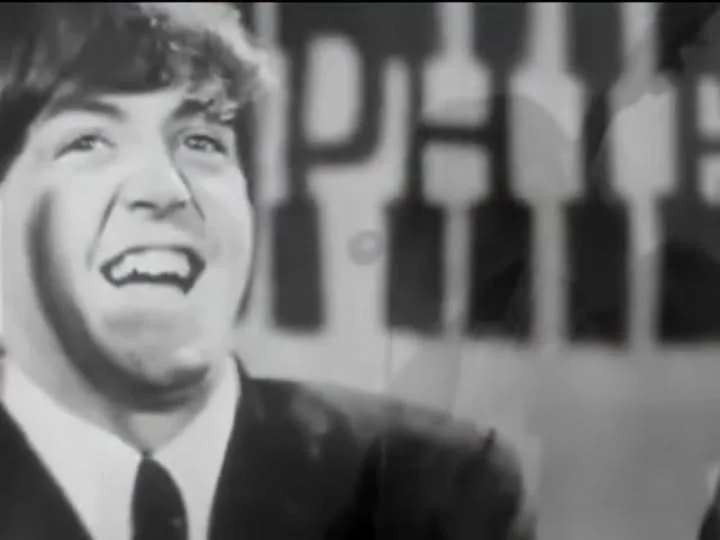
The harpsichord solo in In My Life was never actually played on a harpsichord. George Martin, the producer, recorded it on a grand piano at half speed and an octave lower. When the tape sped up, the notes doubled in tempo and rose an octave, creating that dazzling, slightly mechanical timbre. This single studio trick signaled that The Beatles had moved beyond live performance and into the studio as an instrument itself. For anyone listening through premium audio gear or discerning studio headphones, that solo remains a micro lesson in texture and psychoacoustics.
The song itself, released in December 1965 on the legendary album Rubber Soul, represents a profound turning point in popular music. The Beatles transitioned from pop phenomena to self aware genre expanding artists. John Lennon, the primary lyricist, was challenged by a journalist to write something more personal about his real life. The resulting words meditated on friends both dead and some living and became an emotional anchor for the entire record. It was Lennon quiet act of looking over his shoulder.
The melodic construction and arrangement reflect this newfound depth. The structure is deceptively simple two verses a bridge a solo a return to a third verse and a quick fade. Within this neat framework textural complexity unfurls. Lennon rhythmic acoustic guitar provides a steady contemplative pulse. Paul McCartney bass line is supple and melodic grounding the nostalgia without dragging it down. Ringo Starr drumming is beautifully restrained using an almost brush like syncopated pattern on the verses and shifting to a fuller pop beat for the bridge. The rhythm section provides a hammock for the lyrics never commanding attention but perfectly supporting the story.
George Harrison lead guitar offers a delicate repeating motif in the introduction and between verses. It is a clean bell like tone often doubling or harmonizing with McCartney bass like a warm familiar echo. This intro motif concise and instantly recognizable acts like a poignant signature. But the song true stroke of arranging genius arrives halfway through. George Martin contribution is a classical influenced instrumental break that separates the emotional halves. Lennon reportedly suggested a Baroque sounding piano solo and Martin obliged with a cascading torrent of arpeggios and trills. The sound mimics a harpsichord a bright period instrument that signals a deliberate move toward art song sophistication.
The final verse brings Lennon double tracked intimate vocal back to the fore delivering the emotional core. The lyric is not a tearful lament for loss but a quiet acknowledgment of the past influence concluding with that beautiful almost shockingly adult declaration of enduring affection. In a culture moving toward psychedelic excess this song chooses restraint.
It is a record that weaponizes tenderness proving that the greatest emotional punch often comes from the most reserved swing.
Catharsis here arrives not through screaming but through clarity. The production allows every strum of the guitar every soft beat of Ringo drum and every note of the sped up piano to occupy its own acoustic space. This commitment to detail to a professional articulation of private feeling makes the track not just a beloved song but a definitive cultural artifact. Decades later In My Life resonates because its theme is universal. We all carry a catalogue of faces and places a personal geography of joy and ache. The listener does not need to know the specific Liverpudlian landmarks Lennon originally listed the finished album track provides a framework for our own memories. It is a moment of shared wistful maturity and an evergreen reason to revisit one of rock most pivotal long players.
Listening Recommendations
1 The Kinks Waterloo Sunset 1967 Shares a similar wistful observational lyric style and an almost cinematic melancholy
2 The Left Banke Walk Away Renée 1966 Prime example of baroque pop featuring delicate melodic lines and classical arrangements
3 Simon and Garfunkel Bookends 1968 A short reflective track dealing explicitly with memory and the passage of time
4 Nick Drake Northern Sky 1971 Features a similarly understated intimate vocal and a gentle acoustic centered arrangement
5 Smokey Robinson and The Miracles The Tracks of My Tears 1965 Reportedly an inspiration for McCartney on the melody sharing a certain sophisticated soul tenderness
6 Elliott Smith Between the Bars 1997 Modern masterclass in quiet introspective songwriting driven by acoustic guitar