
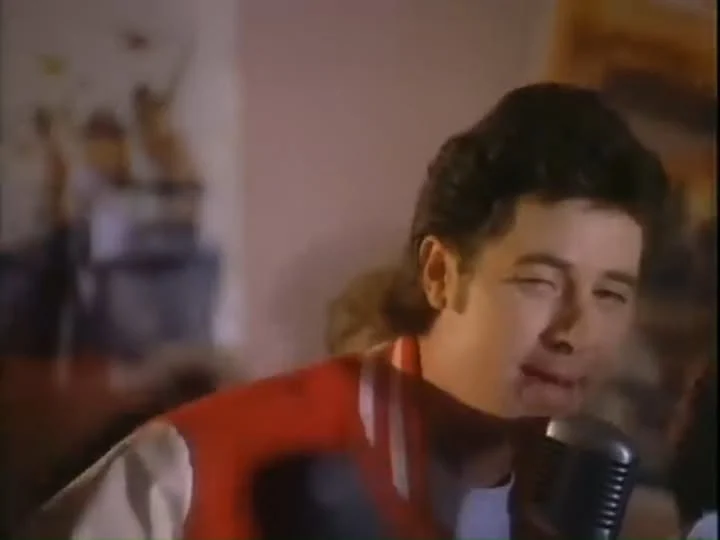
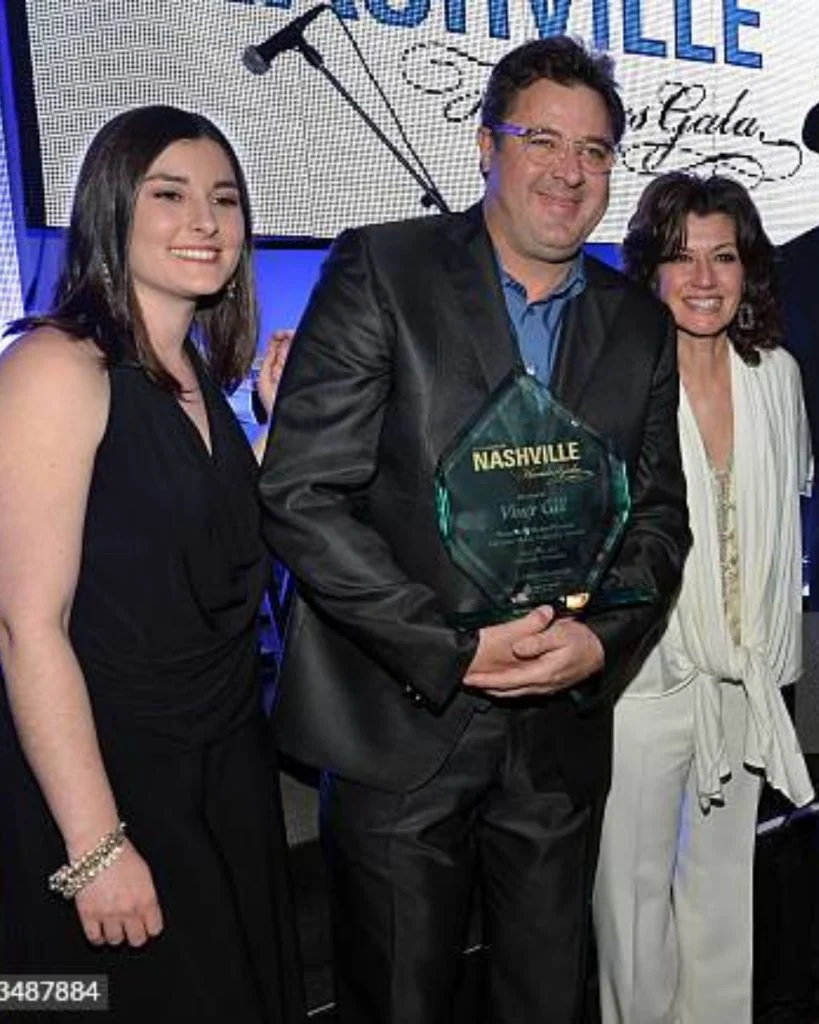
There is a moment in every great country song where melody and ache become one. For Vince Gill, that moment arrives with the tender, plaintive cry of “Liza Jane.” It is a song about wanting something just out of reach, wrapped in a warm, acoustic embrace. More than a simple tale of affection, it is a masterclass in restraint and yearning, a ballad that lingers in the air long after the final chord fades.
“Girl, I got it bad for you. There ain’t nothin’ I won’t do.”
“Liza Jane” was born from a collaboration between Vince Gill and Reed Nielsen, finding its home on Gill’s 1991 album, “Pocket Full of Gold.” Released as the record’s second single in June of that year, it quickly climbed the charts, peaking at number 7 on the Billboard Hot Country Songs and reaching number 3 in Canada. But numbers only tell a fraction of the story. The true magic lies in the delicate interplay between Gill’s honeyed tenor and the masterful fingerpicking on his guitar, a sound that has become synonymous with his storied career.
The song’s structure is deceptively simple. It opens with a direct, almost conversational plea: “You’ve got my number, you’ve got my name. So why don’t you call me, Little Liza Jane?” This immediacy draws the listener into a private world, one where vulnerability is worn like a favorite shirt. The musical arrangement, a blend of acoustic and electric guitars, mirrors the emotional weight of the lyrics. It is grounded in traditional country roots yet carries a modern polish, showcasing Gill’s skill both as a vocalist and a guitarist who knows exactly when to let a note breathe.
Lyrically, “Liza Jane” is a pure distillation of unrequited love. It does not rely on complex metaphors or obscure imagery. Instead, it uses straightforward, honest language to express a profound and universal sentiment. The repeated calls to “Little Liza Jane” are not just a name; they are a symbol of an unfulfilled desire, a longing for connection that remains unanswered. This simplicity is its greatest strength, allowing the raw emotion to cut through any pretense.
Since its chart run, the song has become a staple in Gill’s live performances. Audiences connect with its relatable theme and melodic appeal, and each rendition offers a new perspective on the timeless themes of love and longing. “Liza Jane” endures not because of a grand narrative, but because of its honesty. It taps into a feeling that transcends cultural boundaries—the ache of a heart left waiting. This is the song’s quiet cultural impact: it validates a private, universal experience.
The legacy of “Liza Jane” is tied directly to Vince Gill’s integrity as an artist. It stands as a testament to his ability to craft songs that speak to the human experience with both sincerity and emotional depth. It is a small, perfect story that continues to resonate for its lyrical sincerity and musical integrity. For those looking to explore deeper layers of love and longing, the track is a highlight of the “Pocket Full of Gold” album, a recommended listen for anyone who appreciates a well-told tale wrapped in a melody.
Video
Lyrics
You’ve got my number
You’ve got my name
So why don’t you call me
Little Liza Jane
You’ve got that body
You’ve got that frame
So why don’t you call me
Little Liza Jane
Girl, I got it bad for you
There ain’t nothin’ I won’t do
Just one kiss and I’ll never be the same
Little Liza Jane, oh little Liza Jane
Now you’ve heard my story
You’ve got to know my name
So why don’t you call me
Little Liza Jane
Girl, I got it bad for you
There ain’t nothin’ I won’t do
Just one kiss and I’ll never be the same
Little Liza Jane, oh little Liza Jane
Little Liza Jane (ooh, little Liza Jane)
Little Liza Jane (ooh, little Liza Jane)
(Ooh, little Liza Jane, ooh, little Liza Jane)