
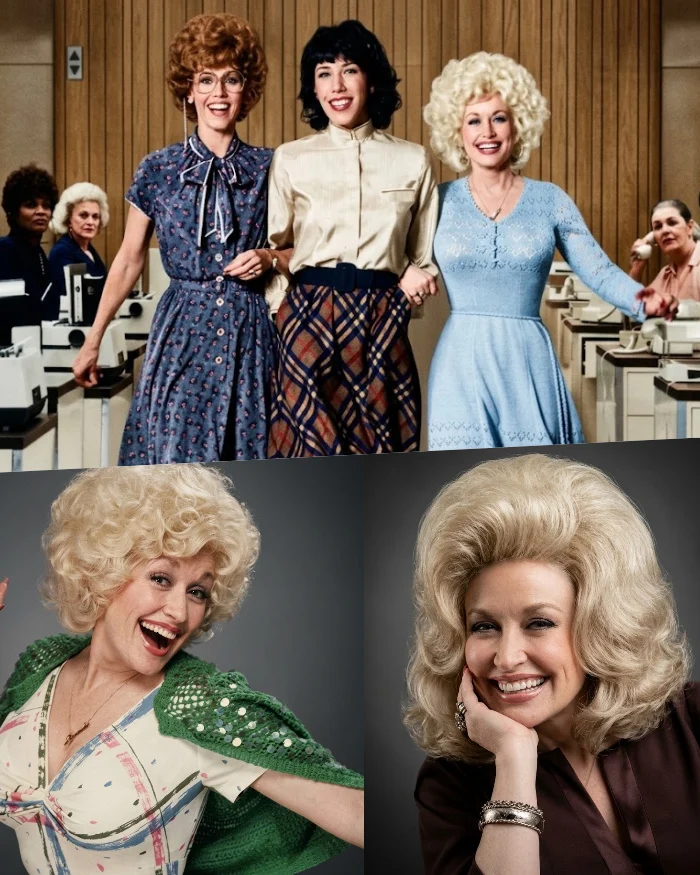
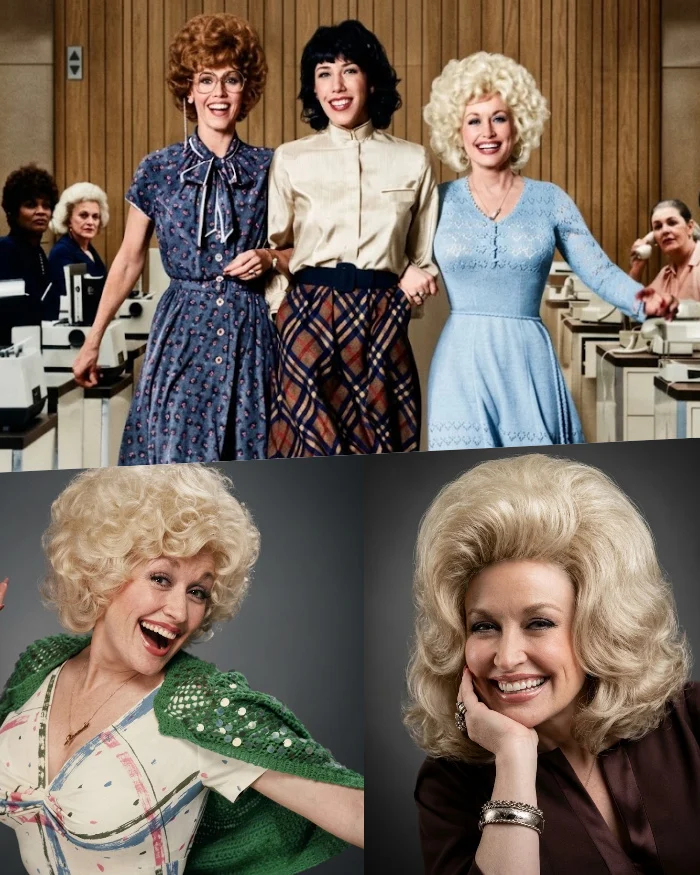
Before the laughter arrived in theaters, women in Boston were crying in restrooms and typing letters they feared could cost them everything.
The 1980 hit 9 to 5 felt like a workplace comedy, yet its script grew from a real movement led by Karen Nussbaum and Ellen Cassedy.
In 1973, the two former Harvard office workers saw a vast class of clerical women powering corporations while earning little respect and little pay.
Newspaper want ads were still divided by gender, and human resources departments rarely handled employee complaints.
They formed 9to5 to confront harassment, exploitation, and the daily message that secretaries were furniture rather than professionals.
To expose the culture safely, they launched the Bad Boss Contest and asked women to send anonymous complaints about humiliating tasks.
The letters poured in.
Women described being forced to shop for bosses, sew pants while a supervisor wore them, track affairs, and wait for coffee to cool to the exact temperature.
Their pain carried one repeated command.
Get back to work, you are not paid to think.
Jane Fonda heard the anger coming from Boston and traveled to union halls instead of relying on studio imagination.
She sat with members of 9to5 and listened to women who had hidden their tears in office restrooms.
That real trauma became the factual foundation for 9 to 5, with Dolly Parton and Lily Tomlin joining the project.
The film turned private humiliation into national conversation and helped create momentum for labor and anti-harassment change.
The movement also partnered with the Service Employees International Union to form District 925 and organize clerical workers across the country.
Before the campaign, sexual harassment was not a recognized legal term, leaving women with little recourse.
Its advocacy helped push the Equal Employment Opportunity Commission to recognize sexual harassment in 1980 and issue federal guidelines.
It also helped build pressure behind the Pregnancy Discrimination Act of 1978, ending a legal era in which employers could fire women for becoming pregnant.
By publicly challenging banks and publishing houses over discriminatory pay, 9to5 helped win millions of dollars in back pay.
The group also forced companies to post jobs internally so women could compete for management roles.
The deepest change was personal.
For generations, isolated women in typing pools blamed themselves for unfair pay and abusive treatment.
The letters, the meetings, and the movie proved they were not invisible.
They were an essential economic force demanding dignity.