
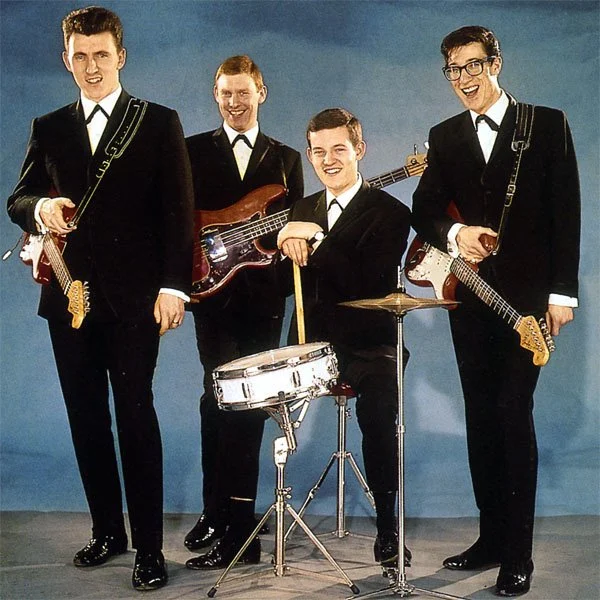
The Shadows did not just play music they painted soundscapes. That opening riff of Apache a shimmering cascade of tremolo notes from Hank Marvin’s Fender Stratocaster hit the airwaves in 1960 and instantly rewrote the language of instrumental rock. It is a moment that still stops listeners in their tracks, as if the guitar itself were galloping across a vast desert plain. And that is exactly the feeling the band was after a cinematic Western mood that turned a simple melody into an enduring myth.
Apache was written by Jerry Lordan and became the cornerstone of The Shadows’ debut album The Shadows released in 1961. The album itself is a masterclass in blending melodic hooks with rhythmic precision, but the single stands apart. Its arrangement is deceptively simple yet executed with such expert flair that it set the template for surf rock and instrumental guitar music for generations to come. The opening riff is the hook, but the real magic lies in how every element supports it.
This is a landmark piece of music that shaped the sound of instrumental rock. From Hank Marvin’s legendary guitar work to the tight rhythm section and atmospheric production, every element comes together to create a timeless album highlight.
The rhythm section of Jet Harris on bass and Tony Meehan on drums provides a steady, almost militaristic beat that drives the track forward. The bassline is melodic but understated, while the snare pattern adds a sense of drama and urgency. Then there are the subtle piano accents that weave through the mix, adding depth without overpowering the main melody. But perhaps the most innovative touch came from producer Norrie Paramor, who used generous amounts of reverb to create a spacious, cinematic sound. That reverb gave Apache its unmistakable Western feel, evoking wide open spaces and lone riders, and it was groundbreaking for its time.
Why does Apache still resonate today? The answer lies in its timeless riff, which feels as fresh now as it did six decades ago. The song has been sampled repeatedly most famously by Sugarhill Gang on The Adventures of Grandmaster Flash on the Wheels of Steel and covered by countless artists across genres. It bridges the gap between early rock and roll, surf music, and even hip hop, proving that great melody knows no boundaries. The innovative guitar techniques that Hank Marvin pioneered have influenced generations of players, from rockabilly to punk to indie.
If you love Apache, there are a few similar instrumental gems that capture the same energy and artistry. “Walk Don’t Run” by The Ventures is a surf rock classic with a driving guitar line. “Sleep Walk” by Santo & Johnny offers a hauntingly beautiful steel guitar melody. “Pipeline” by The Chantays delivers another surf rock masterpiece with a relentless guitar hook. And for a later take on instrumental rock, “Jessica” by The Allman Brothers Band showcases intricate guitar work that builds on the foundation The Shadows helped lay.
In the end Apache is more than just a song it is a cultural touchstone. Whether you are a fan of classic rock, surf music, or simply great instrumental compositions, this track deserves a place in your playlist. The Shadows’ debut album remains a must listen for anyone who wants to understand how a few notes, played with precision and heart, can echo through the decades. Great artistry never fades and Apache proves that point with every single play.