
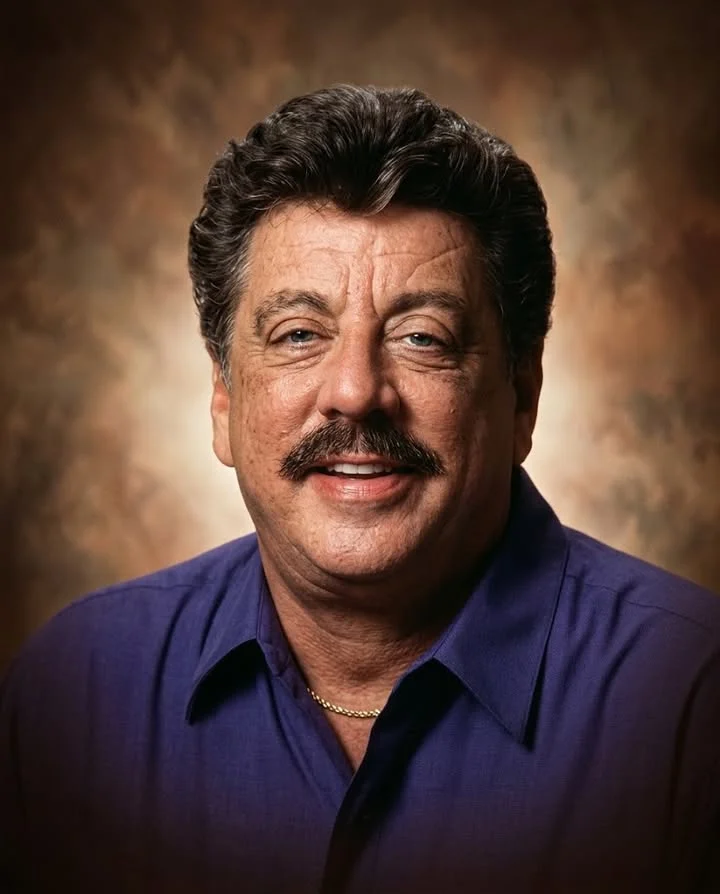
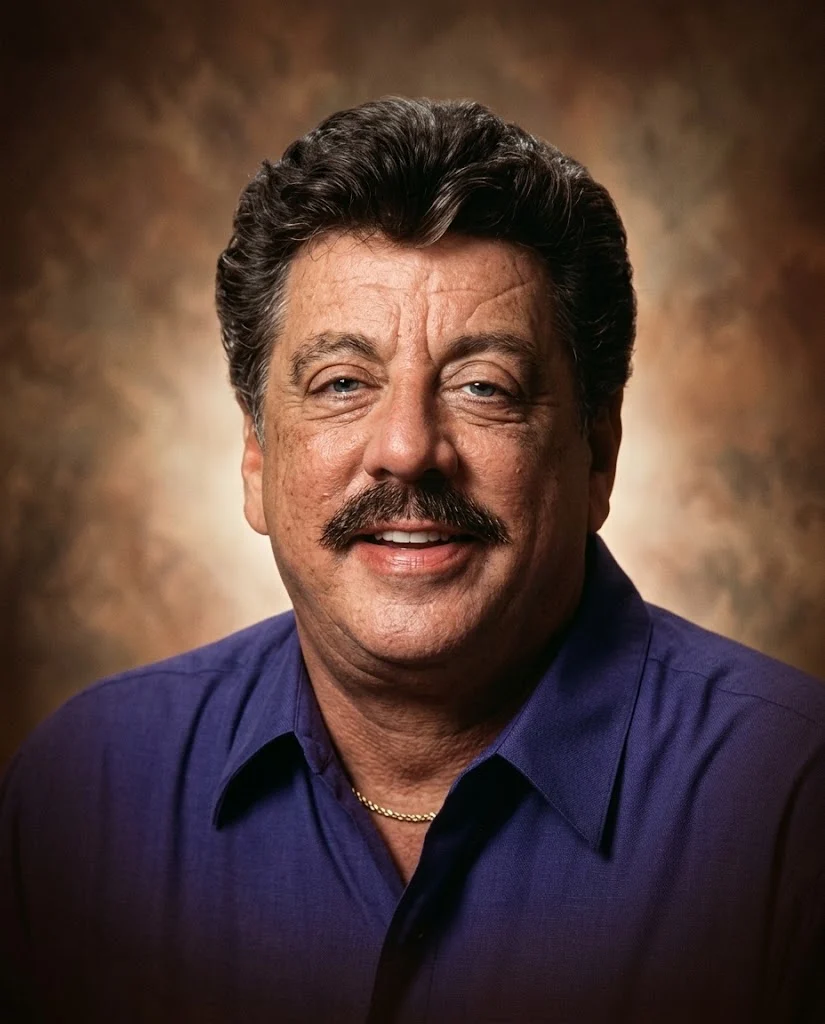
The last silence was louder than any ovation. It was the hush of a life lived with steady devotion.
On April 24, 2020, the country music world lost a foundation when Harold Reid died at age 80 after a long and quiet battle with kidney failure in Staunton, Virginia. He was surrounded by the family he had built his entire life around.
He was the deep bass voice of The Statler Brothers and the heart that kept their sound grounded for more than four decades. While the spotlight made the quartet famous, Harold made it feel familiar.
He could calm a stadium with a perfectly timed joke and then draw the same crowd into reverence with one resonant line. That shift was not a trick. It was trust.
He did not simply sing low notes. He carried people upward.
Alongside his brother Don Reid and bandmates Phil Balsley, Lew DeWitt, and later Jimmy Fortune, he helped build a sound rooted in gospel harmony and working-class stories.
Harold co-wrote much of that music and found meaning in ordinary lives. Their work earned Grammy Awards and a place in the Country Music Hall of Fame.
Yet the man behind the fame never abandoned the home that shaped him. The Statler Brothers stayed rooted in Staunton while the industry expected Nashville.
They kept their business offices in an old elementary school and returned every Fourth of July to host Happy Birthday USA for tens of thousands of local fans.
That tradition was not marketing. It was gratitude. Harold believed success had no value if it erased the people who believed in you first.
When the group retired from touring in 2002, the lights cooled, but Harold did not chase them. He went home to the life he protected.
His final eighteen years were filled with the roles he valued most. He was a husband, a father, and a grandfather.
His wife Brenda stood beside him through the hard road dates, the peak of fame, and the tender days of illness. Her tears carried both grief and pride.
The stage gave him applause. His family gave him peace.
At the end, there were no gold records in the room and no grand introductions. There was only quiet and the love he had chosen.
His passing closed a golden chapter of live performances and left a permanent monument in country music history.
Today the harmonies still move through old radios and modern playlists. They remind listeners that four voices around one microphone could hold a room still.
Harold Reid gave that music a sanctuary. His bass line became the sturdy timber beneath songs like The Class of 1957 and I’ll Go To My Grave Loving You.
The laughter he brought to the stage may fade into memory, but the warmth remains. He built a home within the music, and the door is still open.