
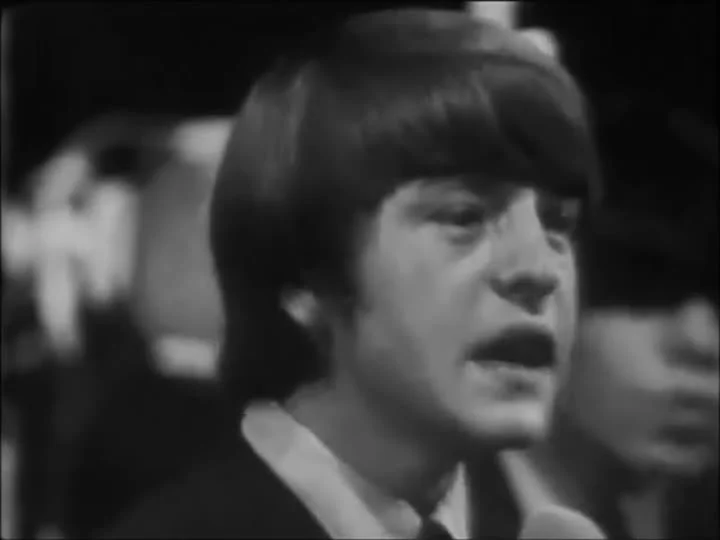
There was a moment in the mid sixties when a band from Ohio took one of the coolest songs in American music, turned it inside out, and set it on fire. The McCoys did not merely cover Fever. They dragged a smoky piece of nightclub sophistication into a sweaty garage, handed it to a teenage guitar prodigy, and let the whole thing erupt. More than half a century later, that reckless, almost violent energy still feels like a fever dream.
The story begins with the aftershock of Hang On Sloopy. In 1965, that hook-driven anthem had turned the group into the sound of every transistor radio and every high school dance. The song was led by Rick Zehringer, the young guitarist who would soon reinvent himself as Rick Derringer. The follow-up needed to matter. The band answered with Fever, released on Bang Records in late 1965 and climbing the American charts into early 1966. The label was shaped by Brill Building polish, but the production team of Bob Feldman, Jerry Goldstein, and Richard Gottehrer managed to capture something grittier. These three producers, known collectively as FGG and The Strangeloves, helped the band fuse Midwestern boldness with New York pop instincts. The song also anchored the debut album, Hang On Sloopy, and turned the group into specialists of the reimagined classic.
Covering Fever was a daring move. The track had become a sacred piece of American cool in the hands of Little Willie John, whose smoky 1956 R&B original moved with a finger-snapping, minor-key menace. Then Peggy Lee transformed it in 1958 into a high-lounge masterclass of breathy control and detached glamour. The McCoys were a bunch of kids from Ohio with cheap amps and louder instincts. Their version treated that legacy like a door to kick down. The result was not a respectful nod to sophistication. It was a raw, thrilling argument that youth culture could take an established treasure and make it sound brand new.
Musically, the McCoys created a study in purposeful contrast. The minor-key structure and slow, slinking tempo remain, but every other detail was pushed into overdrive. The finger-snaps are still there, yet they sit beside a nervous rhythmic pulse that feels closer to dread than seduction. The bassline refuses to stay in the background. It throbs and moves like a counter-melody, while the drums hit with a caveman urgency that has nothing to do with lounges or silk gowns. Listening on studio headphones, the track becomes almost claustrophobic, like stepping into a room with no windows and a speaker cabinet pushing hot air into your face.
There is no piano on this recording. That choice strips away any leftover pretense of adult pop. What remains is a raw, wide-open space where the guitar dominates every corner. Rick Zehringer approaches the instrument not as a polite accompanist but as an agent of pure catharsis. His main riff is sharp, repetitive, and played with a restless vibrato that sounds less like a note and more like a tremor. The solo, when it finally arrives, is brief but unforgettable. It shoots out of the speakers like a burst of fuzzed-out lightning, hinting at the hard rock path Derringer would later follow. The tone is dry and immediate, with none of the generous echo that many studios loved in that era. Everything feels close, human, and dangerously alive.
The McCoys version of Fever was an act of sonic vandalism that accidentally created a defining sound of mid sixties American rock.
That transformation is almost cinematic. Imagine the black and white glamour of a 1950s nightclub suddenly giving way to the sticky, color soaked chaos of a 1960s teen dance floor. The McCoys pulled the song down from its pedestal, stripped away the polish, and gave it a hormonal intensity that no previous recording had dared to show. They turned cool into something loud, young, and unmistakably American.
The group would never again reach the dizzying heights of their first single, although Fever was a strong follow-up that landed inside the US Top 10. Over the years, the McCoys explored psychedelic sounds and progressive rock before Rick Derringer launched a successful solo career and became a prolific session musician. Yet this recording remains a flash of original brilliance from their early peak. It is a moment when a band took a proven commercial formula and used it to smuggle their own wild identity into the mainstream.
For anyone fascinated by the evolution of the rock riff, this track is an essential document. It shows how the language of rhythm and blues could be stretched into something harder and more reckless while still staying melodic. For all its commercial intentions, the final piece of music became a cornerstone of the garage rock canon. It remains a testament to the simple truth that young musicians will always find a way to take old wisdom, turn up the distortion, and let it scream.
Listeners looking for the same feverish energy should seek out The Standells and Dirty Water, a 1966 anthem with the same raw and immediate garage rock feel. The Animals offered their own powerful take on R&B with Boom Boom in 1964, turning classic material into a youthful surge. The Shadows of Knight channeled primal power through Gloria that same year, with a simple riff built to last forever. The Yardbirds pushed the guitar into new territory on I Am a Man, embracing aggression and exploration in equal measure. The Rolling Stones showed how an R&B cover could become pure rock swagger with It Is All Over Now in 1964. And The Kinks delivered one of the earliest statements of distorted guitar power on All Day and All of the Night, opening a door that The McCoys happily walked through.