
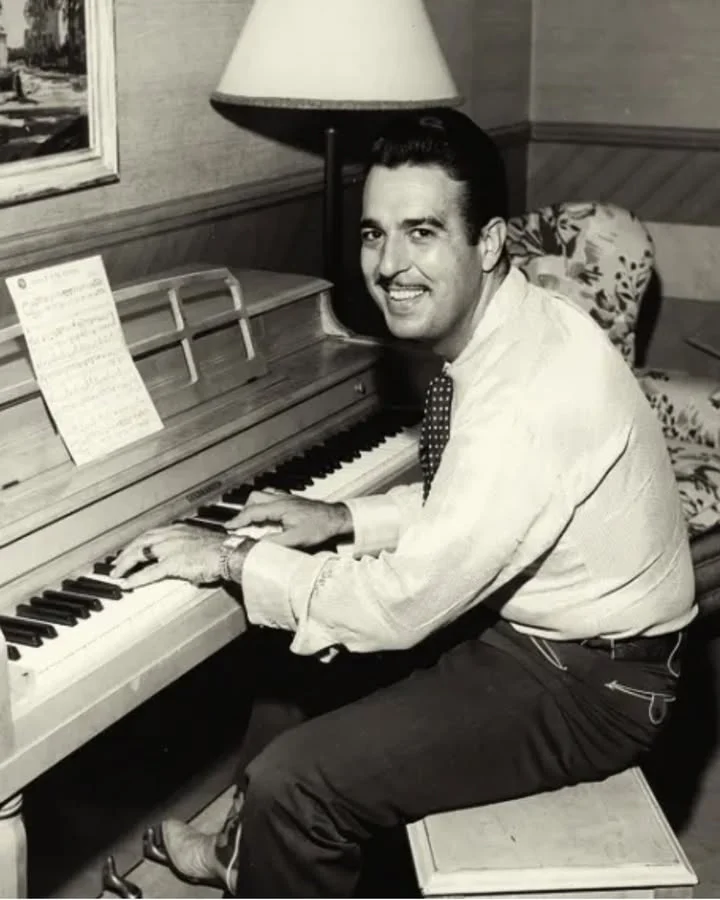
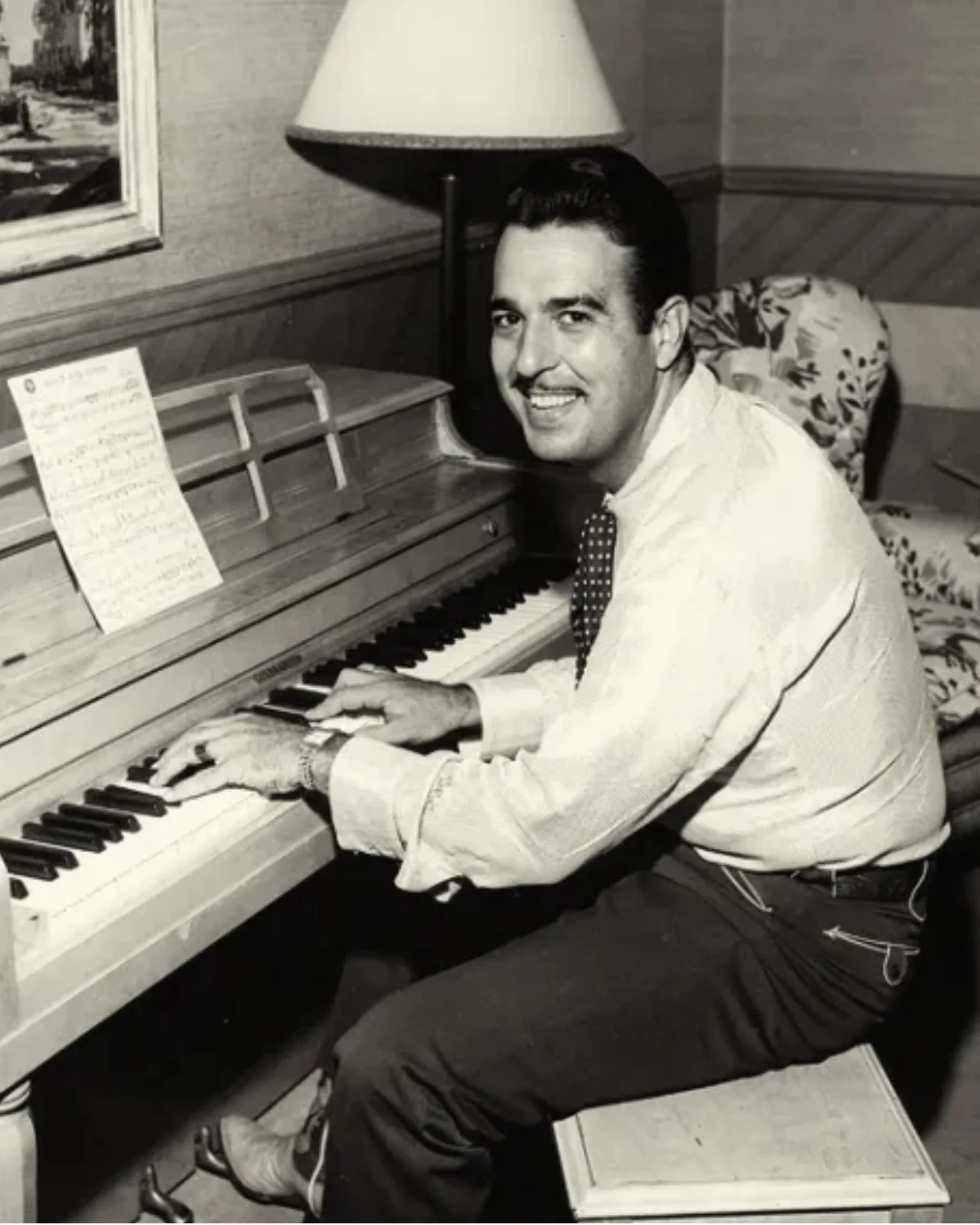
In the fall of 1955, a weary Tennessee Ernie Ford stepped into Capitol’s Hollywood studio under pressure—his contract was in jeopardy, and he needed material fast. What emerged from that unlikely session would become a cultural phenomenon, selling over four million copies and forever altering the course of his career.
“I was behind on recordings, and Capitol told me to get back in the studio or face a breach of contract fight.”
Ford had been a rising star, but success came at a cost. The relentless grind of touring, recording, and television work had left him exhausted and behind schedule. On September 20, 1955, he arrived at the studio without a grand plan—just a desperate need to fulfill his obligations.
Among the songs he chose was a dark, haunting number written by his friend Merle Travis: “Sixteen Tons.” Originally penned as a lament about the debt and labor of coal miners, it had failed to make a splash when Travis recorded it in the 1940s. Yet Ford had tested it on television and sensed its power. Capitol was less enthusiastic, worried about its bleak labor politics and betting on the B-side, “You Don’t Have to Be a Baby to Cry.”
Ford’s rendition was spare and striking. A single finger snap commands attention, followed by a clarinet-led arrangement and his deep, weary voice—delivering lines like a man too tired to complain. The result was something raw and resonant.
“You load sixteen tons, and what do you get? Another day older and deeper in debt.”
Released on October 17, 1955, “Sixteen Tons” exploded onto airwaves. Radio stations flipped the record to the side Capitol had doubted, and within weeks, it was No. 1 on both country and pop charts—even topping the charts in Britain. Sales soared past four million copies.
Ford later admitted the success frightened him. The song’s impact was immediate: Ford Motor Company offered him his own prime-time TV show, and Capitol shifted his focus to the pop market. But rather than chasing a repeat, Ford carved a new path in gospel music. His 1956 album Hymns became one of Capitol’s best-selling records, showcasing a different dimension of his voice—one of lift and light.
Yet, “Sixteen Tons” remained his legacy. It wasn’t just a hit; it was a phenomenon born from obligation. Capitol’s demand for recordings transformed into a masterpiece that transcended genres and generations. That solitary finger snap—like a pick striking stone—still echoes, a testament to a working man’s burden turned into musical triumph.