
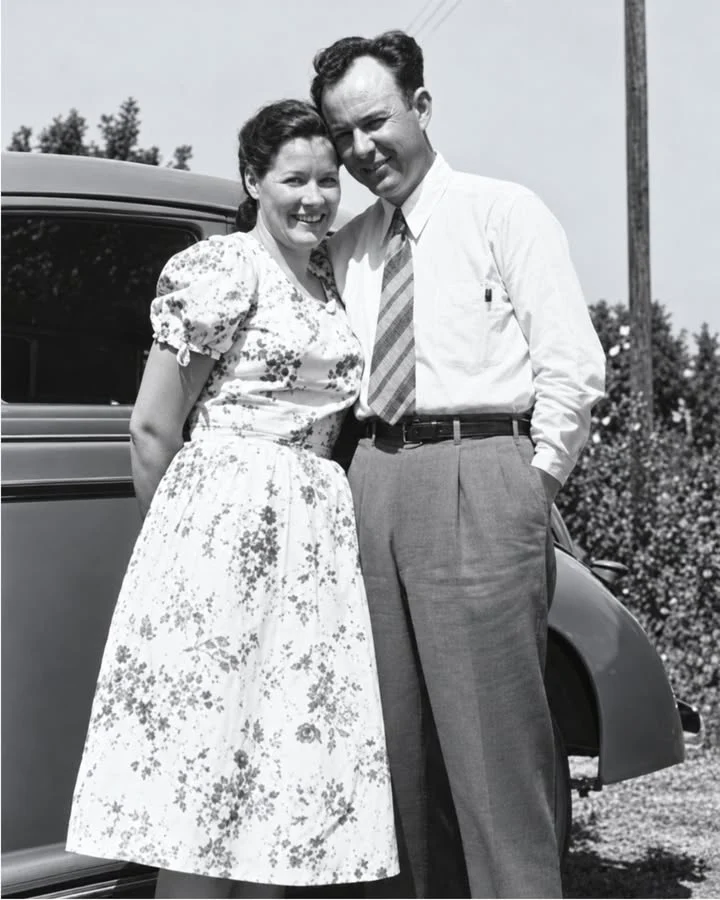
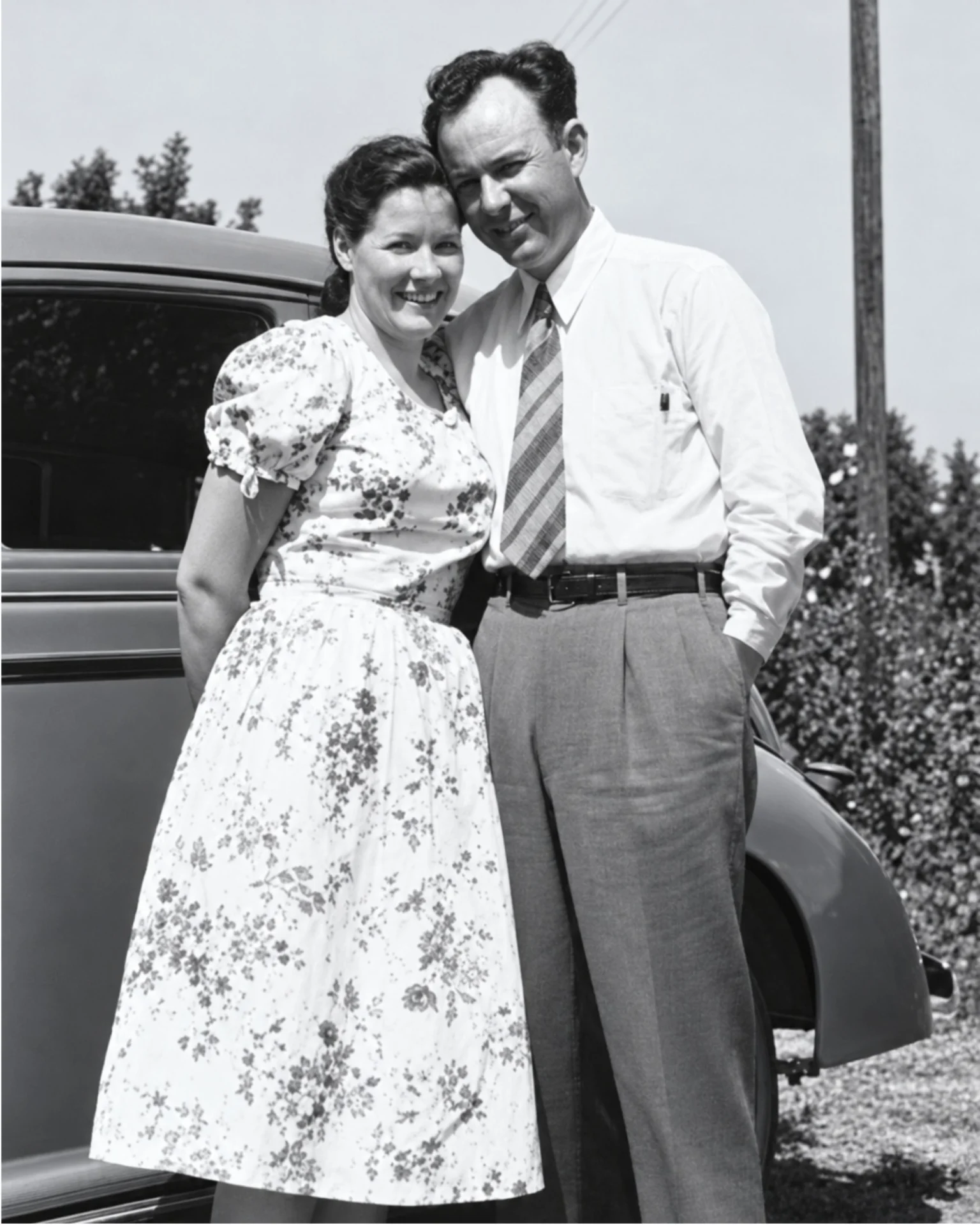
On a quiet evening in Nashville, a room full of musicians listened through their headphones to a voice that had been silent for two years. Jim Reeves was not standing on the other side of the studio glass. His vocal, preserved on a simple demo tape made for songwriter Cindy Walker, was about to be lifted into a new life. Mary Reeves, his widow, sat beside Chet Atkins as the orchestra began to play. She knew this performance was never meant for the world. Yet she made the decision to let it go.
The demo of “Distant Drums” had been recorded years earlier, when Reeves made a private version so Walker and her mother could hear how he envisioned the song. RCA had passed on the track, but Reeves believed in its power. He sang it straight, without the full arrangement his commercial records carried. That informality became its strength after his death in July 1964.
The musicians could follow his tempo, leave room for his phrasing and stop where the recording stopped. They could not ask whether he wanted another take.
Mary Reeves had been involved in Jim’s career long before she became responsible for his estate. Together they read contracts, discussed songs at home and operated publishing companies. Now she and Atkins had to decide whether a private, unfinished performance could become a commercial Jim Reeves recording without Jim there to approve it. Atkins built an orchestral arrangement around the preserved vocal, adding strings, rhythm and a final ending that the demo had never possessed.
“Distant Drums” reached No. 1 on the American country chart. In Britain it remained at the top for five weeks and became the largest UK hit of Reeves’s career. The record opened a much longer posthumous chapter. Mary worked with RCA, Atkins and other Nashville musicians to locate demos and unused performances, add new accompaniment and maintain a steady stream of releases. Reeves continued placing records on the country charts for nearly two decades after his death.
The method extended to the most ambitious technological feat of 1980. Producers used isolated vocal tracks from Reeves and Patsy Cline to create duets of “Have You Ever Been Lonely” and “I Fall to Pieces.” The two singers had never recorded those performances together. Engineers adjusted and synchronized the separate vocals, then added newly recorded accompaniment. The results became hits and moved the posthumous process into a new era of digital possibility.
A demo preserves choices a singer has made, but it also preserves choices not yet made. Instrumentation, length, balance and final approval may remain unsettled. Turning such a tape into a commercial master asks later producers to cross the distance between document and record.
Mary Reeves once separated the two identities she had known: Jim Reeves her husband and Jim Reeves the artist. The first could not return from July 1964. The second remained distributed across contracts, publishing companies, master tapes and audiences around the world. Keeping that artist alive required decisions about money, sound and consent for which grief offered no instruction manual. “Distant Drums” shows those decisions at their most convincing.
When the orchestra began, Jim Reeves could not choose what happened next. Mary could. She listened to the musicians follow his breathing, watched the tape move through the machine and helped send his unfinished voice back into the world.