
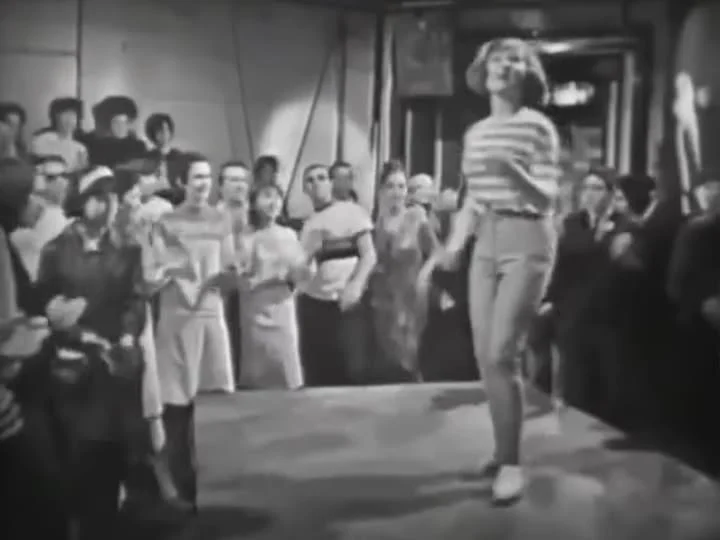
Imagine a school gymnasium in 1964, the air thick with cheap perfume and teenage anxiety. Then a needle drops on a 45 rpm record and a raw untamed roar explodes from the speakers. A fifteen year old girl from Glasgow has just detonated a bomb under polite British pop music. That singer was Lulu, born Marie Lawrie, and the song was Shout, a cover of The Isley Brothers gospel R&B classic. On Decca Records credited to Lulu and The Luvvers the single became an instant sensation reaching number seven on the UK charts. But its real impact went far beyond a chart position.
Producer Peter Sullivan chose a sound that was less polished Merseybeat than ferocious live wire rock and soul. Listening on premium audio equipment today the track still crackles with chaotic energy. The rhythm section pounds with a relentless four on the floor drive the bassline a simple but pounding figure locking in with drums miked too close capturing every snare crack and frantic cymbal splash. Two electric guitars weave through the mix one offering chunky rhythmic chords the other cutting sharp blues inflected fills reminiscent of the original call and response gospel style. A Hammond organ or bright piano swirls beneath the vocal adding a subtle soulful texture. There is no string arrangement no sophisticated woodwinds only sweat and leather rock and roll energy.
Shout is the sound of an artist finding her voice by appropriating the voice of an entire genre then delivering it with a conviction that makes it her own.
The vocal performance remains the centerpiece. Lulu does not simply sing the melody she attacks it. Her Scottish accent cuts through the mix a gritty defiant bark that transforms the call and response structure into a personal sermon. She moves from conversational verses to an ecstatic climax and when she hits the famous breakdown the moment where the singer implores the audience to get a little louder a little lower her voice shifts into a confident conversational haze completely inhabiting the role of an R&B preacher. It is a masterclass in controlled abandon.
The record became an anthem at school dances across Britain liberating stiff backed teenagers to shout and drop to their knees on polished wooden floors as Lulu commanded. It was participatory music that broke the polite fourth wall of pop creating a cultural moment that transcended its chart position. The success of the single ensured her debut album Something to Shout About (released in 1965) was highly anticipated. This was the moment she transcended the regional band circuit and became a UK pop fixture launching a career that would eventually include Bond themes songwriting and collaborations with David Bowie. Yet the sheer unbridled energy of this single remains the yardstick against which her later polished work is often measured. It is sonic purity a raw teenage roar captured on tape.
For those who crave that same raw R&B energy and defiant vocal these tracks channel a similar spirit. Them with Gloria (1964) features garage rock rawness and Van Morrison powerful vocal attack. Dusty Springfield with I Only Want to Be With You (1963) translates American soul to a UK audience with undeniable female vocal force. The Animals with Baby Let Me Take You Home (1964) captures grit and blues based energy. The Liverbirds with Diddley Daddy (1966) represents the rarer female led UK beat groups offering unpolished R&B delivery. The Who with Anyway Anyhow Anywhere (1965) shares explosive defiance and propulsive energy. And the original The Isley Brothers with Shout (1959) remains essential for understanding the gospel core and call and response dynamics that started it all.