
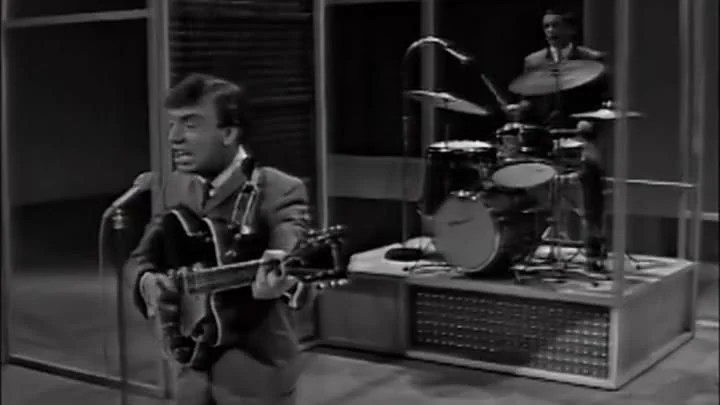
There are songs that arrive like a hand on your shoulder when you least expect it. “Don’t Let the Sun Catch You Crying” by Gerry & The Pacemakers is one of those rare melodies that wraps itself around a broken heart without demanding anything in return. Decades after its release, this 1964 ballad still manages to make listeners feel seen in their sorrow and gently nudged toward hope. It begins with a soft guitar line that feels like the first exhale after a long cry, and from there, the music carries you through an emotional arc that is as honest as it is comforting.
The story behind the song is rooted in real pain. Gerry Marsden, the band’s lead vocalist and primary songwriter, channeled his own experiences with heartbreak into the lyrics, working alongside bandmates Freddie Marsden, Les Chadwick, and Les Maguire. Rather than wallowing in despair, Marsden turned the ache into something quietly triumphant. The song was conceived as a reassuring whisper to a lover lost in grief, a reminder that tears belong to the night and that daylight brings renewal. This balance between melancholy and optimism gave the track an instant emotional depth that set it apart from the raucous energy of many British Invasion hits.
Musically, Gerry & The Pacemakers carved out a distinct identity by leaning into a polished, orchestral sound. Where other bands relied on raw guitar riffs and driving beats, this Liverpool group allowed strings and gentle rhythms to shape their narrative. The arrangement of “Don’t Let the Sun Catch You Crying” builds gradually, mirroring the journey from darkness to light expressed in the words. Marsden’s voice carries the weight of the story with a tenderness that never tips into melodrama. He trusts the listener to feel the message without having it shouted at them. This sophisticated restraint gave the song a timeless quality, allowing it to age gracefully alongside the decades.
The lyrics themselves are deceptively simple. The title alone is a piece of life advice wrapped in poetry. The opening lines encourage a different timing for sorrow
Don’t let the sun catch you crying
The night’s the time for all your tears
This is not a song that dismisses pain. It acknowledges the sting of a broken heart and the catharsis of weeping. But it also insists that sorrow is temporary, that morning will bring joy for every girl and boy. It speaks directly to the universal experience of being left for someone else, of feeling the ground fall away beneath you, and yet it offers the gentle reminder that love is a game that can always return. The chorus acts like a quiet pep talk from a friend who has been through the same storm.
Upon its release, the single climbed into the top ten on both sides of the Atlantic, securing its place as one of the defining songs of the British Invasion era. Over the years, artists as diverse as José Feliciano and Paul Carrack have covered it, each interpretation adding new layers to its legacy. The song has appeared in films and television shows, introducing it to generations who were not alive when the original 45 rpm spun on turntables in 1964. Its message remains as urgent today as it was then. In a world that often feels unsteady, this ballad stands as a quiet beacon for anyone navigating loss.
The emotional weight of “Don’t Let the Sun Catch You Crying” lies in its refusal to shy away from sadness while simultaneously pointing toward light. It validates the act of crying as a necessary release but gently urges the listener to stop when the birds sing. There is no grand solution offered, only the reassurance that healing takes time and that brighter days will come. This honest, understated wisdom is what makes the song endure. More than fifty years later, it remains a safe place for hearts in need of comfort.
At its core, this is not just a song about heartbreak. It is a testament to the human capacity for resilience. Gerry & The Pacemakers may not have achieved the global fame of their Liverpudlian peers, but with this track they created something that transcends chart positions and era labels. It is a lifeline thrown to anyone who has ever cried alone in the dark. As long as music exists to heal, this classic will continue to offer its quiet, hopeful embrace.