
Some songs announce themselves with a single sound. The opening guitar riff of “It’s My Life” by The Animals is exactly that kind of signal. It bursts out of the speaker like a challenge, all sharp edges and restless energy, and before long Eric Burdon turns that energy into a vocal stand.
“It’s My Life” arrived as a standalone single in 1965, a moment when rock and roll was transforming into something more personal than entertainment. The song did not initially belong to any studio LP, yet its later home on compilations such as The Best of The Animals and The Complete Animals confirmed its place as a lasting piece of the band’s legacy.
The tune came from the Brill Building, the famous songwriting hub, with Roger Atkins and Carl D’Errico handling the words and melody. Tom Wilson produced the session and captured a sound that felt both raw and polished. The timing mattered too. This was an age of protest, exploration, and a growing desire for personal freedom, and the song spoke directly to that mood.
By then, The Animals had already shown the world what British rhythm and blues could do. They took the emotional vocabulary of American blues and gave it a sharper edge, mixing gritty vocals with muscular instrumentation. Burdon’s voice carried history and hunger at the same time, and the band members matched him with a performance that felt impossible to ignore.
The arrangement of “It’s My Life” is a study in controlled fire. A punchy electric guitar riff moves through the track like a recurring promise, while Chas Chandler anchors the song with a bassline that gives it weight and direction. The organ, a signature part of The Animals’ sound, adds a warm sense of drama, and small piano accents drift in and out of the mix. John Steel shapes the rhythm with tight, urgent drumming that loosens slightly when the chorus opens up. Every element seems to be moving toward the same goal, but none of it feels forced.
Lyrically, the core of the song is simple and powerful. It is about refusing to let someone else write your story. Burdon delivers the lines as if they carry real stakes, and the music follows that emotional arc by moving between tension and release. The defiant spirit of the track is exactly what made it a rallying cry for the counterculture generation.
“It’s My Life” is more than a phrase in a chorus. It is a stance, a boundary line, and an invitation to claim your own path.
The influence of the record has echoed through rock history. Artists who explored rebellion and personal freedom, from The Rolling Stones to The Doors, shared that restless spirit, and The Animals helped lay the groundwork for the anthem-sized rock song. Numerous covers have followed over the years, each one a reminder that the message still resonates.
For listeners who want to keep exploring that energy, several tracks sit comfortably beside “It’s My Life.” The Animals themselves offered the haunting “House of the Rising Sun,” a song built on Burdon’s soulful power and an unforgettable organ line. The Rolling Stones matched that dark intensity with “Paint It Black,” while The Doors pushed into psychedelic territory on “Break On Through.” On the more socially conscious side, Creedence Clearwater Revival fired back with “Fortunate Son” and Buffalo Springfield turned uncertainty into art with “For What It’s Worth.”
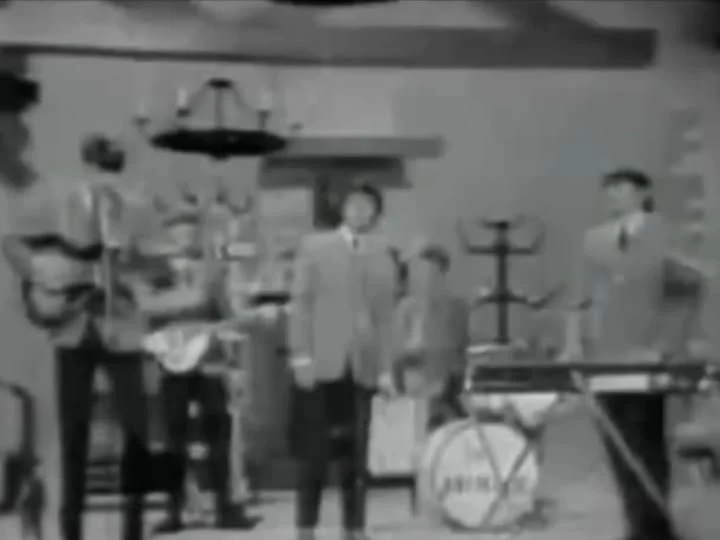
Watch the video to experience the band at full force. The images match the music’s direct, unapologetic energy.
More than half a century later, “It’s My Life” still feels like a defining statement. It captures the moment when rock music became a vehicle for identity and attitude, and it remains a thrilling entry point into The Animals’ catalog. Put it on loud, let that first riff take over, and remember why some songs never fade.