
About The Song
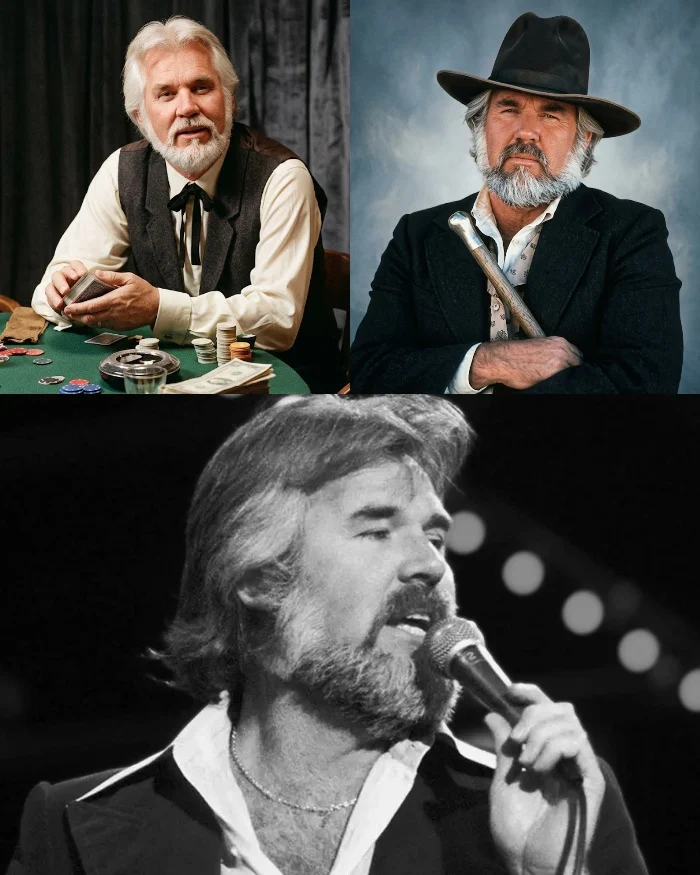
The recording became his signature identity, eventually spawning a successful television film franchise and defining his career for the next four decades. Yet The Gambler began as the idea of a struggling songwriter who worked the graveyard shift and wrote the story in honor of his late father.
The Gambler was written by the Nashville songwriter Don Schlitz. With the classic chorus lines about knowing when to hold them and knowing when to fold them, the song is told from the first person perspective about a conversation with an old poker player on a train. The card shark gives life advice to the narrator in the form of poker metaphors, before presumably dying in his sleep.
According to the Reader’s Digest Country and Western Songbook, Schlitz wrote the tune in honor of his late father.
He was the best man I ever knew. He wasn’t a gambler. But the song was my way of dealing with the relationship that I had with him.
Don Schlitz wrote this song in August 1976 when he was 23 years old. It took two years of shopping the song around Nashville before Bobby Bare recorded it on his album Bare at the urging of Shel Silverstein. The version by Bare did not catch on and was never released as a single, but other musicians took notice and recorded the song in 1978, including Johnny Cash, who put it on his album Gone Girl.
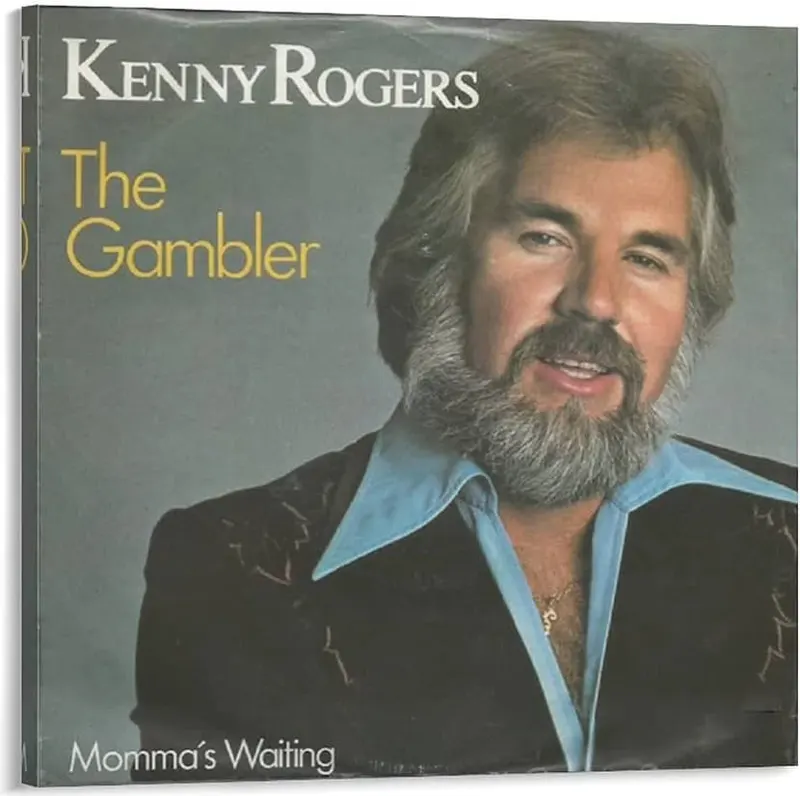
It was Kenny Rogers who finally broke the song loose, in a version produced by Larry Butler. His rendition was a number one Country hit and even made its way to the Hot 100 at a time when country songs rarely crossed over. Rogers delivered the vocal with a conversational warmth that made listeners feel like they were sitting in that very train car.
This song had a huge impact on both Kenny Rogers and its writer Don Schlitz. Rogers had three number one Country hits under his belt, but The Gambler gave him the title track to his biggest selling album. Schlitz was able to quit his day job, which was actually a night job because he worked the graveyard shift, and become a full time songwriter. Some of his other songs include He Thinks He’ll Keep Her by Mary Chapin Carpenter and On the Other Hand by Randy Travis.
The song centers on a simple trade. The old man offers life advice disguised as poker strategy, explaining the necessity of understanding which risks to take and which situations to abandon. It does not end with a massive victory at a casino table. The narrative closes quietly, with the old man falling asleep and passing away peacefully in the darkness, leaving the younger man with a new perspective. How that single studio session in Nashville transformed the idea of a struggling songwriter into a permanent piece of American pop culture remains a defining chapter in country music history.
Lyric
🎵 Let’s sing along with the lyrics! 🎤
On a warm summer’s evening
On a train bound for nowhere
I met up with a gambler
We were both too tired to sleep
So we took turns a-starin’
Out the window at the darkness
The boredom overtook us
And he began to speak
He said, Son, I’ve made a life
Out of readin’ people’s faces
And knowin’ what the cards were
By the way they held their eyes.
So if you don’t mind my sayin’
I can see you’re out of aces
For a taste of your whiskey
I’ll give you some advice.
So I handed him my bottle
And he drank down my last swallow
Then he bummed a cigarette
And asked me for a light
And the night got deathly quiet
And his face lost all expression
Said, If you’re gonna play the game, boy,
You gotta learn to play it right.
You got to know when to hold ’em,
Know when to fold ’em,
Know when to walk away,
And know when to run.
You never count your money
When you’re sittin’ at the table.
There’ll be time enough for countin’
When the dealing’s done.
Every gambler knows
That the secret to survivin’
Is knowin’ what to throw away
And knowin’ what to keep.
‘Cause every hand’s a winner,
And every hand’s a loser,
And the best that you can hope for
Is to die in your sleep.
And when he finished speakin’
He turned back toward the window
Crushed out his cigarette
And faded off to sleep
And somewhere in the darkness
The gambler he broke even
And in his final words
I found an ace that I could keep
You got to know when to hold ’em
Know when to fold ’em
Know when to walk away
And know when to run
You never count your money
When you’re sittin’ at the table
There’ll be time enough for countin’
When the dealing’s done
You’ve got to know when to hold ’em
(When to hold ’em)
Know when to fold ’em
(When to fold ’em)
Know when to walk away
And know when to run
You never count your money
When you’re sittin’ at the table
There’ll be time enough for countin’
When the dealing’s done
You got to know when to hold ’em
Know when to fold ’em
Know when to walk away
And know when to run
You never count your money
When you’re sittin’ at the table
There’ll be time enough for countin’
When the dealing’s done