
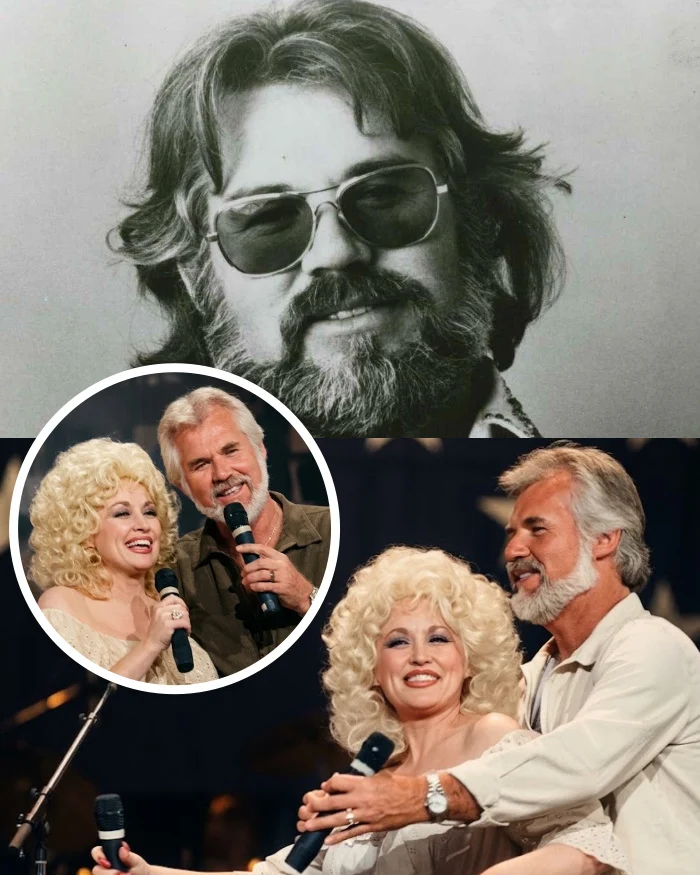
The dashboard radio felt like a friend. Kenny Rogers had already lived several musical lives before he became a country superstar. He played upright bass in a jazz trio, performed folk songs, and explored psychedelic pop.
He found a safe harbor with The First Edition in the mid-1970s. The group gave him steady television appearances and a secure income. Then the band disbanded in 1976, and Rogers chose the riskier path of a solo career.
Industry skeptics doubted a singer approaching forty could reinvent himself on Music Row. That doubt faded in 1977 when Lucille earned him a Grammy Award. The sweeping country waltz about a fractured family, a barroom encounter, and a heartbroken farmer showed that his gravelly lived-in voice did not need a band to carry its emotional weight.
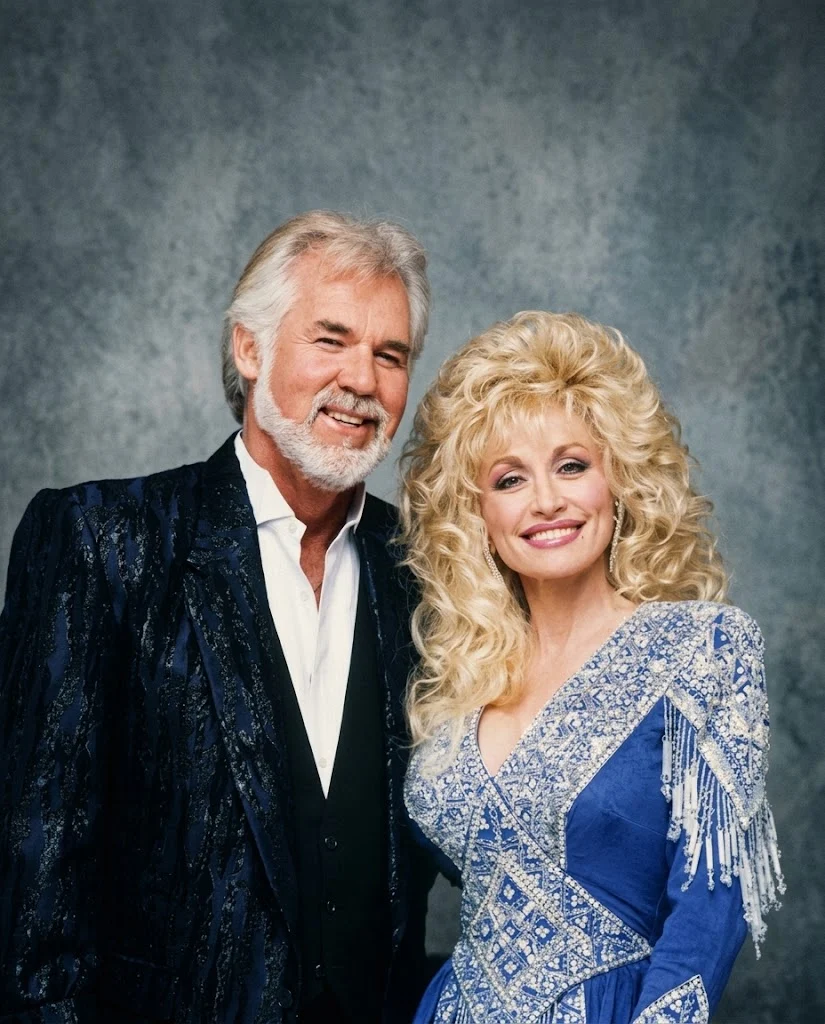
He refused to let one label define his art. In 1978 The Gambler gave him an unshakable cultural persona and a quiet philosophy about holding on and letting go. In 1980 he crossed rigid industry lines with Lionel Richie and Lady, proving heartbreak could travel beyond genre walls. By 1983 his duet with Dolly Parton on Islands in the Stream set a standard built on mutual respect.
He did not just sing a lyric. He sat down beside the listener and told a story.
Behind the massive record sales stood a man shaped by ordinary struggles. Rogers grew up in a federal housing project in Houston, Texas, and never lost his connection to working people. Nashville traditionalists resisted the polished genre-defying tracks he made, yet he trusted his ear and kept the door open.
The world remembers the white-bearded storyteller who changed American music from the inside. He walked away from security and built a legacy as the gentlest voice on the radio.