
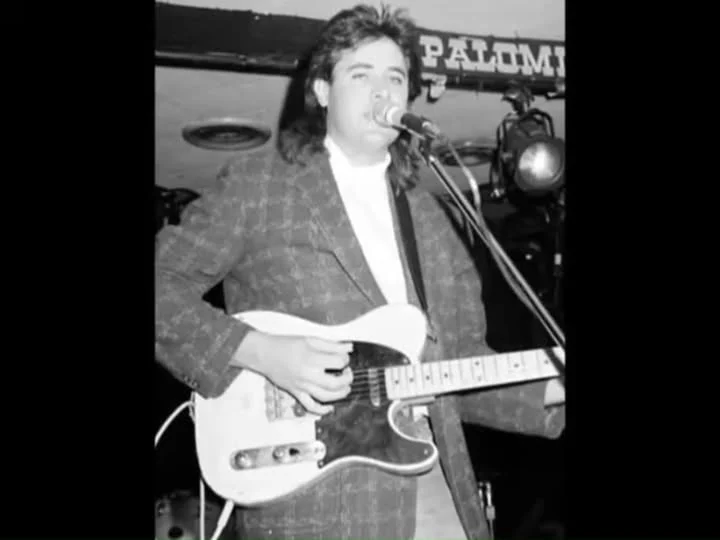
There comes a moment in a song where the emotion cuts so deep it feels personal. In Vince Gill’s “Don’t Come Cryin’ to Me,” that moment arrives when the chorus drops—a defiant yet aching declaration that the door is finally closed. It is the sound of heartbreak finding its footing, and it has been resonating with listeners since 1998.
This track appears on Gill’s album The Key, a project that saw the country star return to his traditional roots after years of mainstream success. With its steel guitar and fiddle, the song feels both classic and immediate. Gill wrote it himself, channeling the raw aftermath of a broken relationship into a three‑minute powerhouse of resolve.
The musical structure is deceptively simple. Verses build a quiet tension, painting a picture of someone who has been hurt before. Then the chorus erupts, not with anger but with a weary kind of strength. Gill’s voice—smooth, soulful, precise—carries every note with an authenticity that has defined his career. The steel guitar cries alongside him, and the fiddle weaves through the arrangement like a memory you can’t shake.
“Don’t come cryin’ to me when it’s over / Don’t you come knockin’ at my door”
Those lines capture the song’s emotional core. The lyrics tell a story of someone who has been taken for granted one too many times. There is no bitterness, only a quiet finality. Gill delivers them with a blend of tenderness and steel, making it clear that love has its limits. The narrative is universal—anyone who has ever had to walk away from a toxic cycle will find themselves in these words.
Since its release, “Don’t Come Cryin’ to Me” has become a staple of Gill’s live shows. Performances at the Grand Ole Opry and on television have brought new layers of intensity to the song. Audiences respond viscerally, often singing along with the chorus as if it were their own story. Over time, it has earned a place among the most beloved tracks in his catalog.
The song’s influence extends beyond the stage. It has been covered by several artists, each adding a personal twist while preserving the original’s emotional weight. Its themes of heartache and resilience have also found their way into movies and television, introducing the track to generations who may not know Gill’s earlier work. This crossover speaks to the power of a well‑crafted song—it transcends genre and speaks directly to the human experience.
Vince Gill’s legacy is built on moments like this. “Don’t Come Cryin’ to Me” remains a testament to his ability to turn personal pain into art that heals. Decades after its release, it still offers comfort to anyone who needs permission to set a boundary and move forward. That kind of honesty never grows old.
To truly appreciate the craft, listen to the original recording from The Key or search for a live version online. Each performance reveals something new—a subtle vocal inflection, a guitar lick that cuts a little deeper. This is country music at its most human, and it is worth every listen.
Lyrics
Don’t come cryin’ to me when it’s over
Don’t you come knockin’ at my door
Don’t come cryin’ to me I won’t be waiting
Like I’ve done a hundred times before
You promised you’d love me forever
Now it’s all over town you’ve changed your mind
You’ll call me and say “let’s get together”
But I’m sorry I won’t take you back this time
Don’t come cryin’ to me when it’s over
Don’t you come knockin’ at my door
Don’t come cryin’ to me I won’t be waiting
Like I’ve done a hundred times before
Like I’ve done a hundred times before