
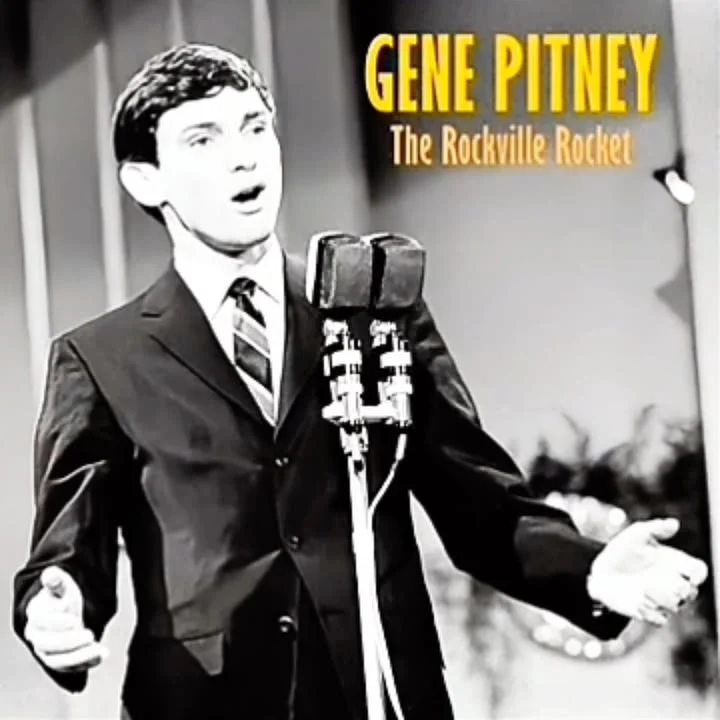
What happens when a perfect pop song fails its primary mission. It becomes a legend. That is the story of Gene Pitney’s 1962 single. It was commissioned as a theme for John Ford’s Western film The Man Who Shot Liberty Valance. The film starred John Wayne and James Stewart. The song, written by Burt Bacharach and Hal David, arrived too late for the studio. They could not include it. The picture was already in theaters. This should have been a disappointment. Instead, the single thrived on its own. It climbed to the Top 5 on the charts. It became a classic completely detached from the movie it was supposed to serve.
Burt Bacharach and Hal David were already masters of complex pop. Here they applied their sophisticated harmonies to the dusty grit of the American West. The arrangement, built by Chuck Sagle, acts as a co star. The drummer Gary Chester provides a relentless galloping beat. The strings do not sound sweet. They swell with doom and tension. Every instrument is a character in a story that unfolds entirely in sound.
Gene Pitney was the perfect narrator for this drama. His voice is a remarkable instrument. It can soar effortlessly into a high register. It can also command a trembling vulnerability. He starts the song as a storyteller. He sets the scene with a cool, grim intensity. As the story builds towards the final confrontation, his famous vibrato comes alive. It sounds like fear and fury battling for control. The final, drawn out note on the word Valance is a high wire act of sustained emotion. It echoes the single gunshot that ends the legend. Pitney treats this pop single like a three act opera. It is a stunning display of vocal power.
This track marks a crucial moment in pop history. It bridges the gap between simple folk ballads and the orchestral pop of the later sixties. Pitney had already explored dramatic themes in Town Without Pity. This song cemented his reputation. He could take a big concept and make it feel deeply personal. The song trusts its audience to understand a complex story about justice and myth. It treats the listener with immense respect.
The song reminds us that the legend we create often overshadows the man who inspired it. Pitney’s voice makes that legend feel like a lifeline.
Years later, the track has only gained depth. It resonates because the themes remain urgent. We still wrestle with the idea of the hero versus the myth. The music feels timeless. It requires patience from the listener. In return, it offers a profound emotional release. This is a defining work from one of pop music’s most distinctive voices.
Several tracks share this blend of drama and pop craft. Town Without Pity by Gene Pitney matches its grand orchestral sweep. Twenty Four Hours from Tulsa deepens the tragic narrative. Make It Easy on Yourself by Jerry Butler features a classic Bacharach David arrangement. High Noon by Tex Ritter set the standard for Hollywood gravitas. Wichita Lineman by Glen Campbell uses landscape as emotional metaphor. Only Love Can Break a Heart by Pitney reveals the vulnerable side of his high tenor.