
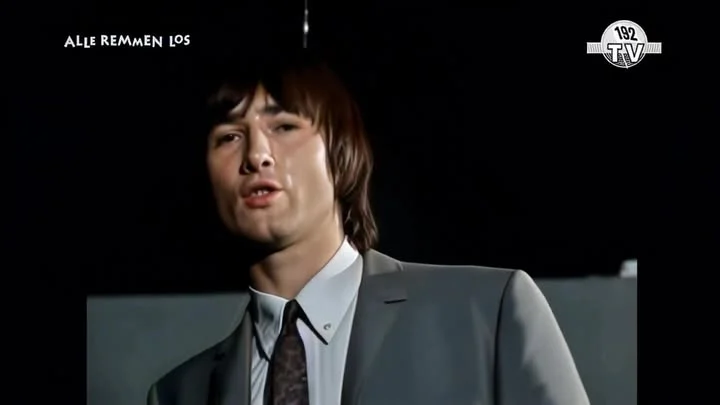
Hearing The Pied Piper for the first time is a disorienting thrill. The song opens with a quiet acoustic strum, a promise of folk intimacy. Then the floor drops away. A tidal wave of pounding drums, a walking bass line, and an insistent electric guitar riff takes over. Crispian St. Peters delivers the vocal with the swagger of a man who knows he is leading a parade. It is a piece of pure pop sorcery. It was also the high water mark of a career that vanished from the charts almost as quickly as it had appeared.
The year was 1966. London was swinging. The Beatles were rewriting the rulebook weekly. Into this ferocious creative atmosphere stepped St. Peters, a performer with a clean tenor voice and an appetite for the spotlight. The Pied Piper was his second major hit. It followed the success of You Were on My Mind. The track was a cover, written by the American duo Steve Duboff and Artie Kornfeld, known as The Changin’ Times. St. Peters took their folk pop framework and draped it in a lush dramatic arrangement. His manager David Nicolson produced the session. The UK album was called Follow Me. In the United States Jamie Records titled the release The Pied Piper to capitalize on the single.
The genius of the record lies in its construction. It begins as a whisper. The acoustic guitar suggests a gentle reflective number. This is a deliberate deception. The rhythm section enters with a bright attack. The drums are sharp and forward in the mix. The snare hits echo with a military precision. The bass line is melodic rather than merely supportive. It walks a confident path underneath the vocal. The piano adds a percussive chime on the off beats. The electric guitar riff is the signature sound. It is simple but unforgettable. It plays a game of call and response with the vocal melody. The arrangement builds to a mid song breakdown. Here the orchestration takes hold. Swirling backing vocals and sweeping strings create a sense of baroque pop gravity. It is a masterclass in 1960s production drama.
The single was a global hit. It reached the Top 5 in the United States and the United Kingdom. It soared to number one in Canada. St. Peters was suddenly a major star on two continents. But the spotlight revealed a flaw. In a series of interviews he made bold claims. The press was waiting for a target.
He stated that his songwriting talent far exceeded that of the Beatles. The music press responded with savage glee. They painted him as arrogant and conceited. The public grew cold. The spell was broken. The coverage turned hostile. His follow up records could not replicate the success. The Pied Piper became the summit of his chart career. From that peak the descent was swift and steep.
Time has a way of smoothing over the tabloid noise. The drama of his rise and fall fades. What remains is the record itself. The Pied Piper stands as a perfectly constructed pop artifact. It balances folk simplicity with orchestral sophistication. It is thrilling and whimsical at the same time. The song is about enchantment, a call to follow the magic music man. For a few months in 1966 the world answered that call completely. The track still holds its power. It deserves to be rediscovered not as a novelty but as a sterling example of pop craft. Any musician studying guitar lessons should study this track. It offers a perfect balance of simplicity and sophisticated layering.
The era that produced this song was rich with similar sounds. For a taste of that same tight kinetic arrangement listen to The Box Tops with The Letter. The Lovin’ Spoonful captured a similar bright percussive production in Summer in the City. The Cascades offered a precursor with Rhythm of the Rain, featuring dramatic vocal phrasing and strong choral effects. Herman’s Hermits channeled music hall charisma on Leaning on the Lamp Post. Finally The Grass Roots bring a folk rock core dressed up in a lush pop sound on Where Were You When I Needed You.