
One song from 1969 still has the power to turn a family reunion into a shouting match. It starts with a gently rolling guitar and a voice that sounds unmistakably honest. When the narrator says he is an Okie from Muskogee, listeners either feel a surge of pride or a wave of frustration. There is rarely any middle ground.
At the time of its release the United States was wrestling with itself. The Vietnam War had created an unhealed wound across the nation. Young protestors grew their hair and questioned every pillar of authority. Meanwhile countless families held onto a vision of American life that centered on church, home, and loyalty to the flag. Merle Haggard stepped directly into this chasm with a song that refused to apologize for its convictions.
Haggard was a man who wore his beliefs openly. His conservative principles were no secret, and they infused the music he made. He did not write Okie from Muskogee alone. The credit belonged in equal measure to his drummer Roy Edward Burris. Together the two musicians shaped a narrative that captured the sentiments of a large and often overlooked segment of the American public.
The heart of the track lies in its proud declarations about a city in Oklahoma, along with a clear salute to the men and women serving in Vietnam. Here are two lines that became cultural checkpoints.
We don’t smoke marijuana in Muskogee. We wave Old Glory down at the courthouse.
For those who felt their traditions were being ridiculed, those words were a badge of honor. For those who were marching for justice and an end to conflict, the words felt like a refusal to acknowledge the pain around them. Few songs in country music history have drawn such a firm line in the sand.
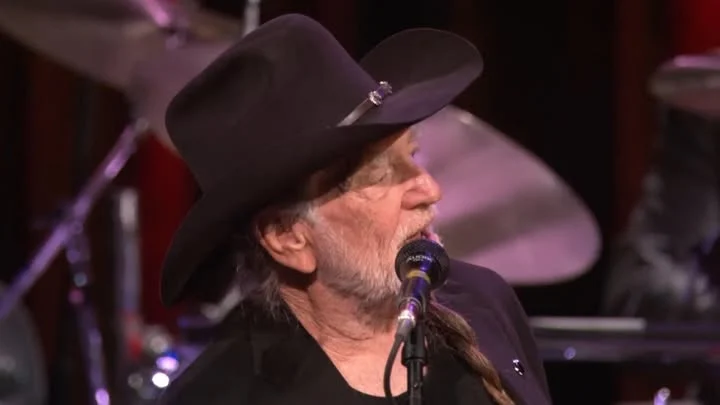
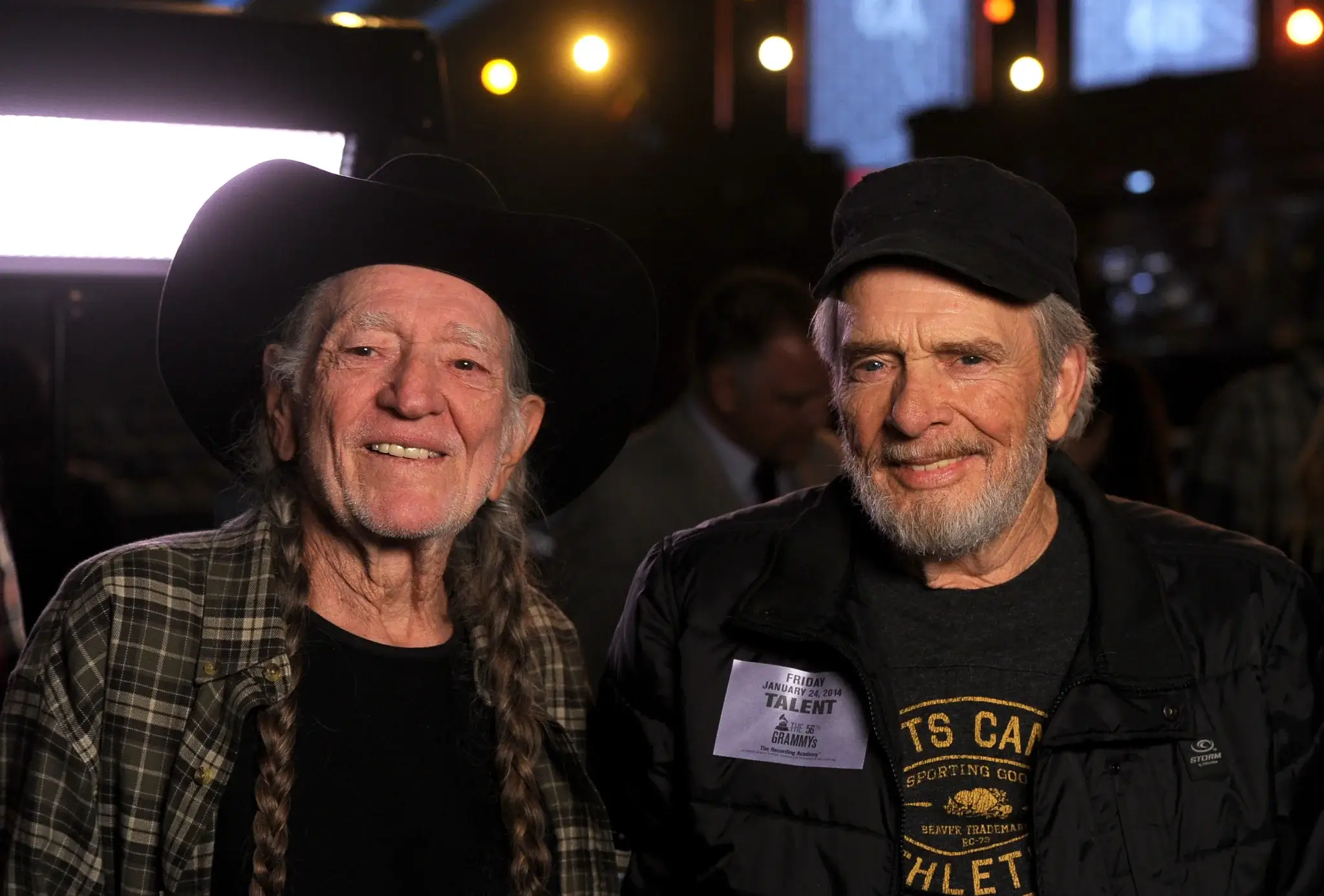
Over time the walls began to soften. Willie Nelson, a long and trusted companion of Haggard, did not share the same worldview at first. But Nelson recognized something important in the song, specifically its ability to connect with people on a visceral level. Eventually he agreed to perform the song live with Haggard, bringing two legends together in a moment that spoke to the healing power of music and friendship.
More than fifty years later the questions raised by Okie from Muskogee have never quite disappeared. The song remains an honest snapshot of a society trying to define itself in the middle of a storm. People can hear it as a celebration of simple values or as a reminder of painful divisions. Either way its place in the country music canon is secure, and its conversations are far from finished.