
The cameras caught the embrace before anyone could call action. On a California tarmac at Edwards Air Force Base, a military family held each other in the late fall of 2003. The tears were not scripted. The tight grips were not rehearsed. For Toby Keith’s “American Soldier” video, the people in front of the lens were off-duty personnel, reservists, and their real spouses and children.
Released in November 2003 on the album Shock’n Y’all, the song climbed the Billboard Hot Country Songs chart and by early 2004 held the No. 1 spot for four consecutive weeks. It earned a Platinum certification and reached the top 30 on the all-genre Billboard Hot 100. The numbers were huge. The human story was bigger.
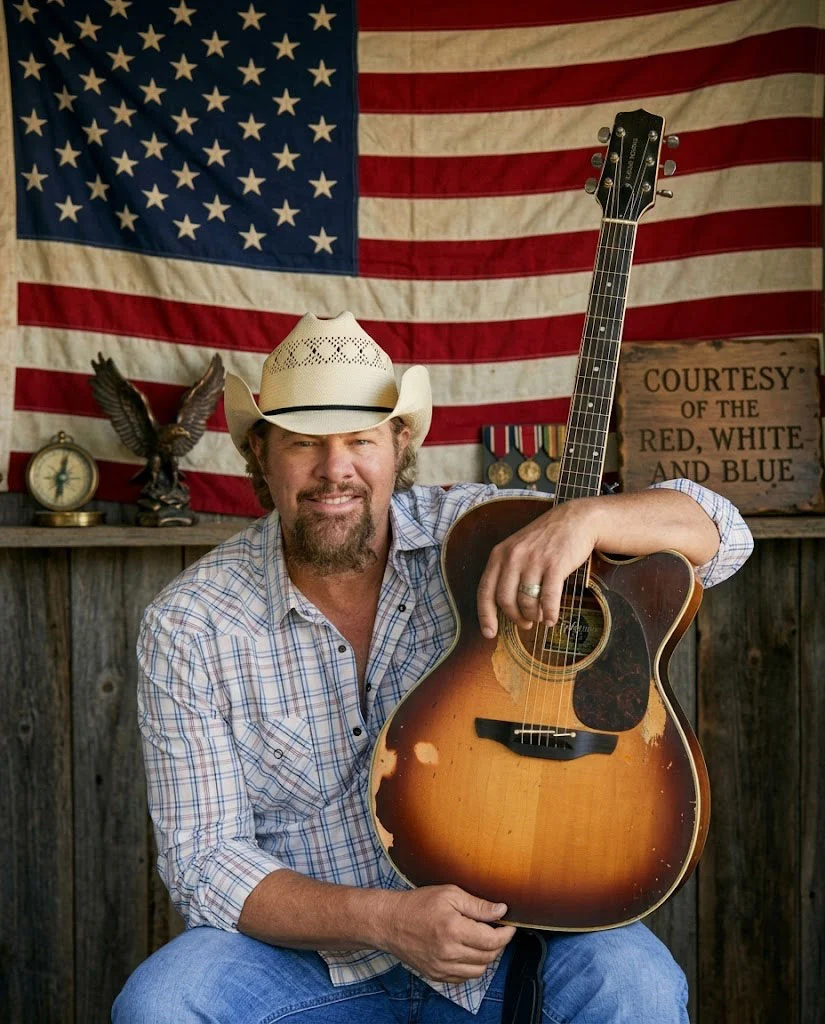
Keith had already released a loud post-9/11 anthem with “Courtesy of the Red, White and Blue.” That song was a stadium roar. “American Soldier” was a quiet pivot. It framed the military as blue-collar workers rising before dawn, packing bags in the dark, and pausing at the doorway to look at sleeping children before heading out into the unknown.
The lyric said it plainly.
“I will always do my duty, no matter what the price.”
Keith did not deliver that line with arrogance. He sang it like a father walking out the front door to do a demanding job.
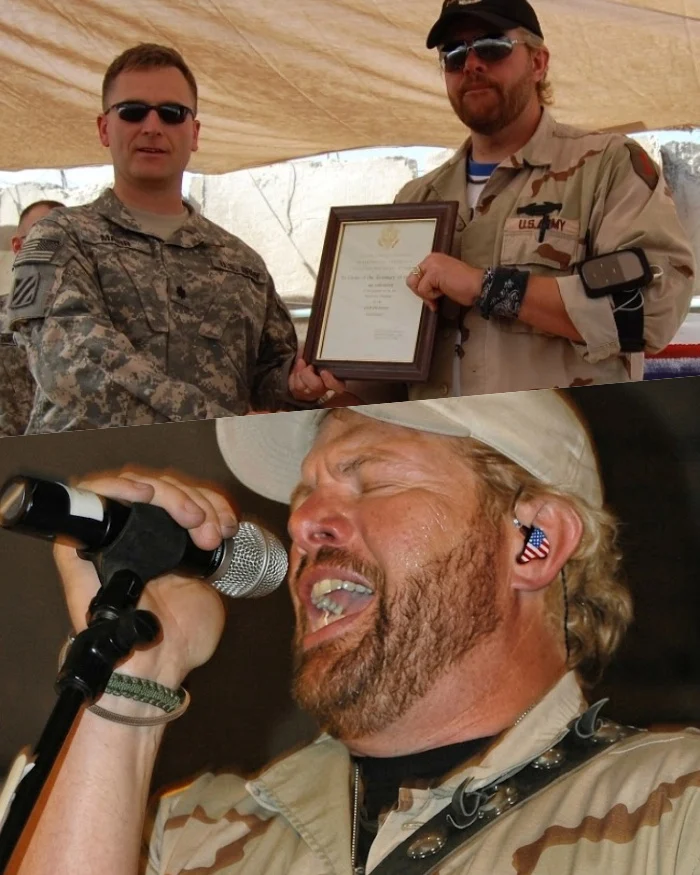
The emotional foundation came from overseas. During early USO tours, Keith spent untelevised hours talking with troops. He heard about missed birthdays, long-distance calls, and spouses holding everything together back home. Those private conversations gave the song its public voice and placed the working-class soldier at the center of mainstream country music.
That grounded perspective helped the track outlive its chart run. It became a fixture for military families at deployments, homecomings, and quiet evenings in between. When Keith died at 62 in February 2024, “American Soldier” surged back onto the Billboard Digital Song Sales chart. Listeners reached for the record again, not only to remember the artist but to reconnect with the feeling he had given them decades earlier.
The song did not fade when the stadium lights went dark. It remained where it was always meant to live, in early mornings, quiet doorways, and the memories of families who understood the cost.