
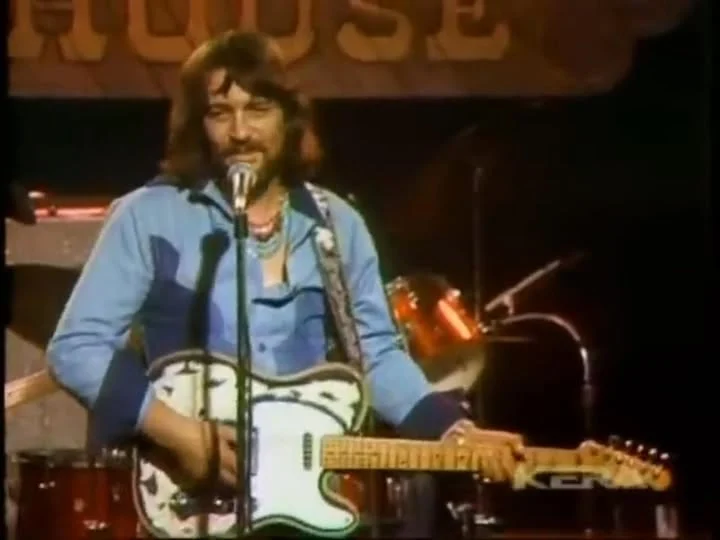
There is a particular kind of heartbreak that does not scream. It does not rage. It retreats into a quiet, devastating whisper. This is the exact emotional landscape Waylon Jennings painted with his 1971 ballad If You Really Want Me To I’ll Go.
The album The Taker/Tulsa served as a critical bridge between the polished Nashville Sound and the raw honesty of the outlaw movement. Produced by Danny Davis and Ronny Light, the project features a collection of original compositions and covers that dwell on themes of independence and heartache. If You Really Want Me To I’ll Go acts as the album’s emotional core. While tracks like The Taker and Tulsa bookend the record with grit and defiance, this ballad offers a moment of quiet vulnerability. It is the sound of a man surrendering to the weight of his heart.
Lyrically, the song is a devastating exercise in letting go. The narrator offers an exit to their partner without a fight.
If you really want me to, I’ll go
This simple line becomes a heavy burden. It holds the entire weight of a relationship hanging in the balance. This is what makes the song timeless. It speaks to the universal experience of loving someone enough to sacrifice your own place in their world.
The instrumentation is perfectly suited to this theme. The acoustic guitar is the main storyteller, its fingerpicked melody carrying a deep sadness. The piano enters softly, like a supportive friend sharing the silence. The percussion is barely a whisper. Together, they create a soundscape of profound intimacy.
For fans of this sound, the journey does not end here. The same emotional terrain is explored in Kris Kristofferson own Help Me Make It Through the Night. George Jones delivers a crushing performance in He Stopped Loving Her Today. Willie Nelson captures a similar loneliness in Blue Eyes Crying in the Rain. Ray Price brings a lush sorrow to For the Good Times. And Jennings himself revisits this tender space in the beautiful Amanda.
Ultimately, If You Really Want Me To I’ll Go is a quiet masterpiece. It does not rely on complexity. It thrives in its emptiness. It proves that in music, as in love, the most powerful statements are often the ones spoken in a whisper.