
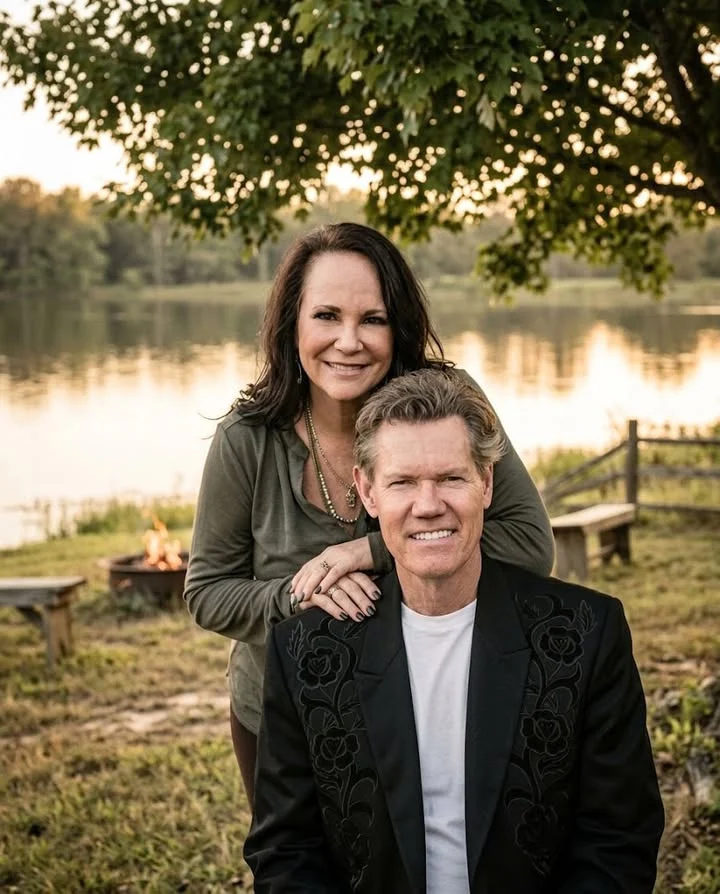
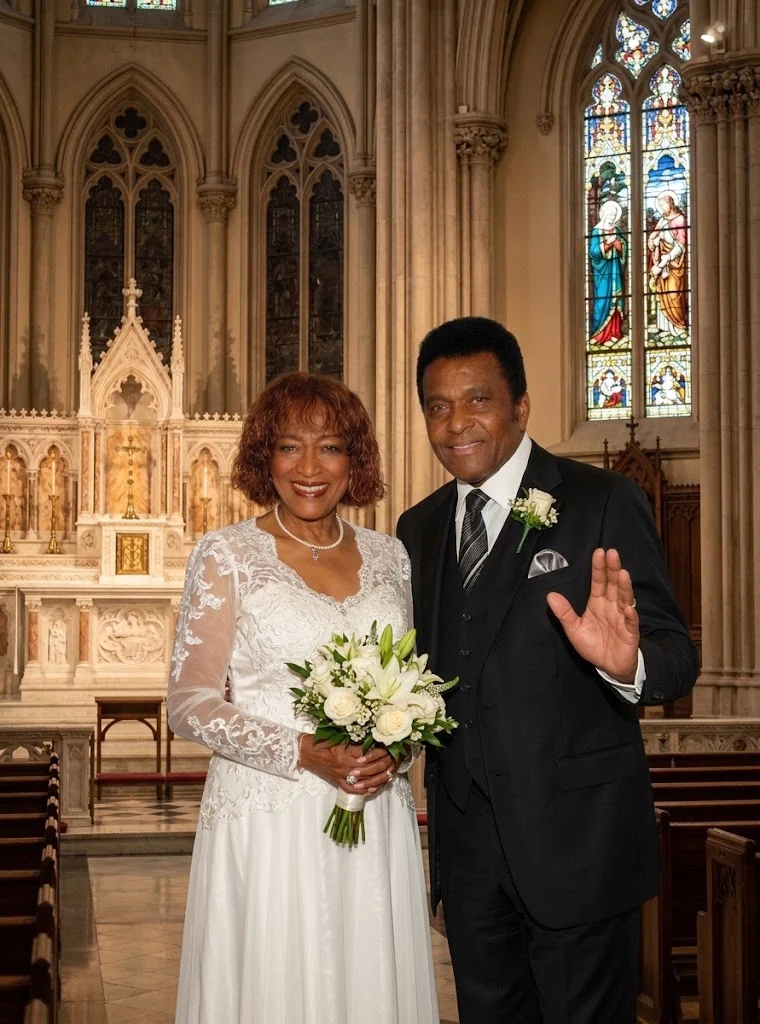
In a quiet hospital room, the question was not whether country music would ever hear that mighty baritone again. The question was whether Mary Davis would ever hear her husband speak her name.
For decades, Randy Travis had been the voice that made crowded rooms fall silent. In the 1980s, he did more than sing traditional country music. He helped rescue it. His deep baritone sounded like it was carved from mahogany, and it carried the soundtrack of front porch evenings, long highway drives, and slow dances across America.
The stage gave him platinum records, packed arenas, and the devotion of millions. Fame, however, could not shield him from the fragile realities of human life. In the summer of 2013, a devastating viral cardiomyopathy attacked his heart without warning. Severe complications followed, and a massive stroke pushed the beloved icon to the edge of survival.
The man who had spent his life communicating through lyrics was suddenly stripped of his greatest gift. He was placed on life support while machines did the work his failing heart and lungs could no longer do. Inside that sterile hospital room, the bright stage lights were gone. The cheering crowds of Music City were far away. The silence was heavy and terrifying.
The medical team gently prepared Mary Davis for the worst. They studied the devastating charts. They saw a body that was rapidly failing. Then they quietly asked her the most agonizing question a spouse can hear. They suggested it might be time to turn off the machines and let him go.
While the world mourned the possible loss of a legendary country singer, Mary was not thinking about gold records. She was not thinking about the Grand Ole Opry, the history books, or whether he would ever sing Forever and Ever Amen again. She was facing the terrifying reality that the man she loved might never speak her name again.
In that moment of absolute darkness, none of the fame mattered. Mary did not ask for a medical miracle that would put him back under a spotlight. She did not demand the return of the flawless, history making voice that the public so desperately wanted to hear. She made a desperate, quiet plea for his life and accepted whatever broken pieces the stroke might leave behind.
Just give him back to me in whatever form that might be
She did not need the legendary savior of country music. She just needed her husband. That single, profound choice is the exact kind of love that country songwriters spend a lifetime trying to explain. It is easy to stand beside a giant when the lights are bright and the whole world is cheering. True devotion is holding on with everything you have when the lights go completely out.
Today, Randy Travis is still here. The brutal stroke left him with severe aphasia, taking away his ability to string conversational sentences together or sing the iconic songs that made him a global hero. His legendary voice may be quiet, but his physical presence speaks loudly.
Every time he appears in public, sitting proudly in the front row of a concert or returning to the Opry stage, Mary is right there beside him. She became his voice when he could not speak, his balance when he could not walk, and his fierce protector when the outside world wanted to count him out.
When fans look at Randy and Mary today, they do not just see a retired superstar and his loyal wife. They see the living, breathing embodiment of the lyrics he used to sing about sticking together through hard times. They prove that you do not always need a microphone, a melody, or a stage to make your heart completely understood.
Sometimes the most enduring country love story is never sung under a spotlight. It is anchored in a quiet hospital room, a hand squeeze, and a promise that remains unbroken long after the music stops.
https://www.youtube.com/watch?v=sgJXbIP83A8&list=RDsgJXbIP83A8&start_radio=1