
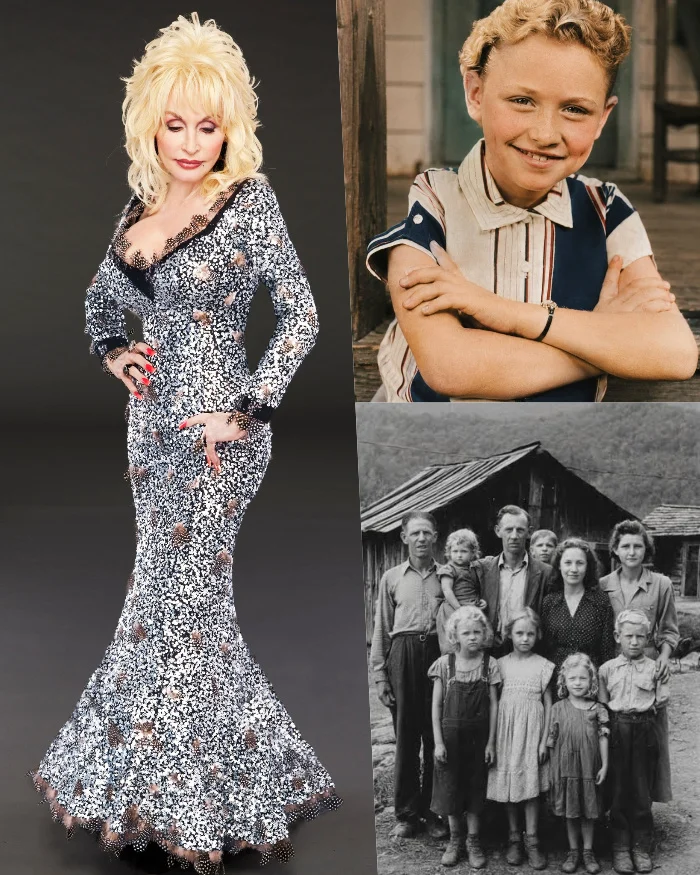
In the dusty half-light of a one-room cabin in Locust Ridge, Avie Lee Parton reached toward the ceiling for the only bandage she had. That ceiling held cobwebs, and those dusty strands became a mother’s desperate answer when her children came inside bleeding from the rugged Tennessee mountains.
Before Dolly Parton wore custom crystal dresses on global stages, she grew up in the isolated Great Smoky Mountains of the 1950s where modern healthcare was far away and cash was almost impossible to find. Born in a cramped one-room cabin in the Locust Ridge community of Sevier County, Tennessee, she belonged to a family of fourteen with no money to pay a physician. Severe injuries and illnesses had to be treated with whatever raw materials the land and the cabin could provide.
When the children suffered deep cuts while playing in the dirt yard or working in steep agricultural fields, Avie Lee relied on traditional Appalachian survival tactics. She gathered dense cobwebs from the dusty corners of the wooden ceiling and packed them directly into her children’s open wounds. The makeshift remedy was rooted in practical mountain science because cobwebs naturally contain vitamin K, which promotes blood clotting, along with basic anti-fungal properties.
Every ailment in the Parton home met a similar kind of ingenuity. The family used raw kerosene to clean lacerations, turpentine to break up chest colds, and harsh homemade lye soap crafted from pork fat and wood ashes. The physical sting of those crude remedies and the harsh reality of extreme poverty did not make Parton resent her upbringing.
“Every scrap of survival in that cabin carried a mother’s fierce love.”
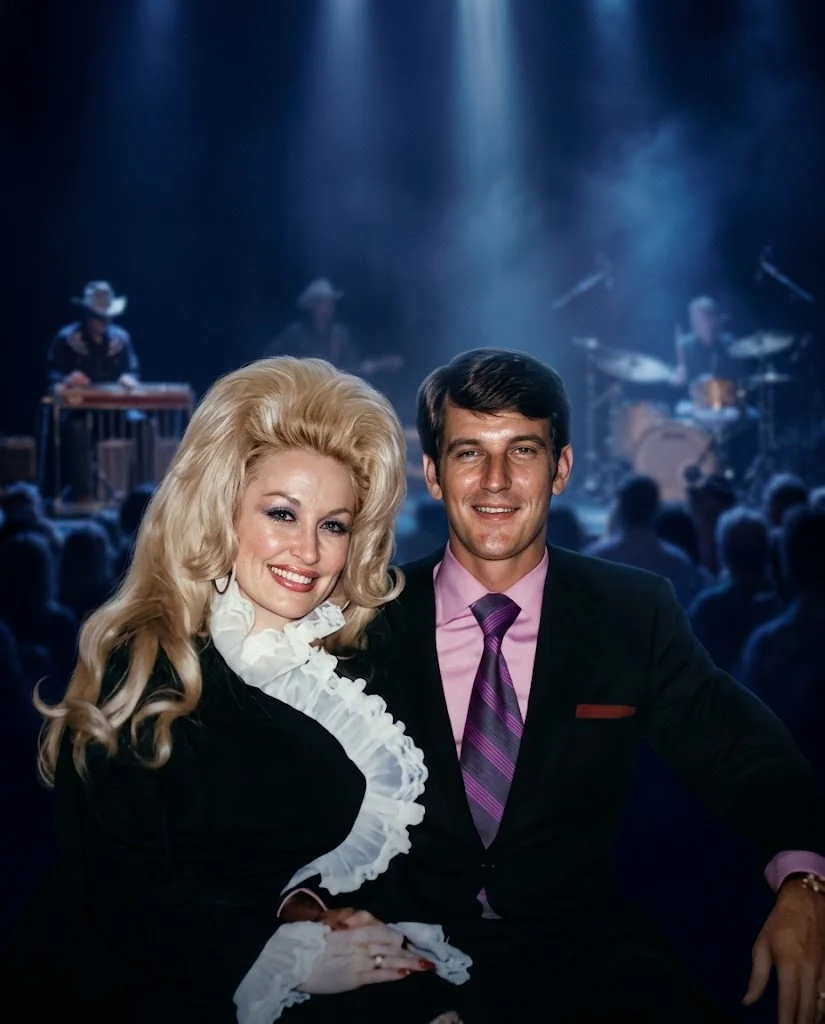
Instead she anchored her identity to the profound desperate love of a mother pulling a chance of survival out of the ceiling of a dirt-poor cabin. She recognized the terrifying vulnerability of her community and quietly carried that understanding with her when she packed her suitcase for Nashville in 1964.
Decades later the woman who survived on cobwebs and kerosene achieved unprecedented global fame and massive financial power. Rather than simply leaving Sevier County behind, she deliberately structured a philanthropic infrastructure to ensure no local family would ever face that kind of terrifying medical isolation again.
She did not simply write a distant charity check. To maximize her impact and guarantee long-term stability, Parton directed resources through the local Dr. Robert F. Thomas Foundation, a charitable organization named after the physician who once rode into the mountains to deliver her for a sack of cornmeal. Leveraging her sprawling entertainment empire, she hosted exclusive high-profile benefit concerts at Dollywood. She drew thousands of fans to the mountains and funneled massive ticket revenues directly into the county’s medical expansion.
This calculated funding strategy provided the permanent financial bedrock required to build the modern Covenant Health LeConte Medical Center in Sevierville. Because of her highly structured philanthropic push, the sprawling facility included a state-of-the-art emergency department and the Dolly Parton Center for Women and Infants, equipping her hometown with the exact critical resources her own mother never had access to.
Today the advanced hospital stands as a direct counterweight to the severe poverty of her youth. It employs top-tier medical professionals and uses modern surgical equipment in a valley where families once relied entirely on home remedies and sheer endurance just to survive the winters.
Her record-breaking stadium tours and Hall of Fame inductions remain a testament to her enduring musical talent. But her most profound legacy is a modernized hospital system in the mountains, proving that the girl who was patched together with spiderwebs never forgot what it felt like to need a doctor who was too far away.