
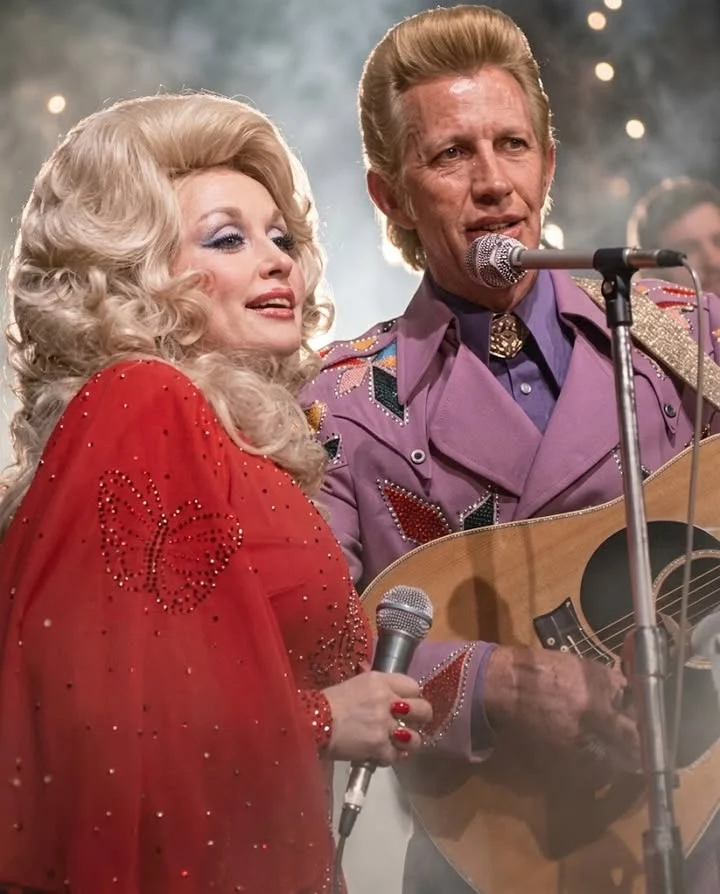
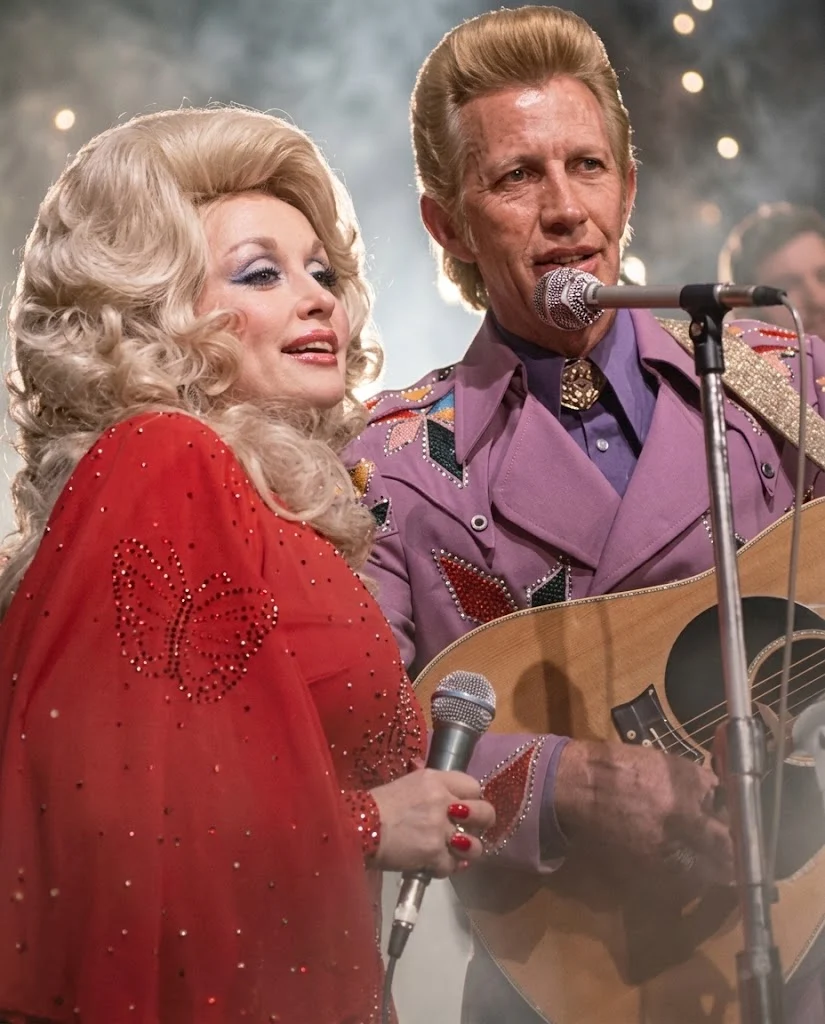
Dolly Parton held Porter Wagoner’s hand in a quiet Nashville hospice room as the eighty-year-old country legend slipped in and out of consciousness. It was October 28, 2007, and the man who first brought her to a national television audience was running out of time.
Parton had cleared every commitment on her schedule that October morning. She did not send a statement or a representative. She went directly to his bedside.
For more than three decades, their story had been shadowed by a bitter professional split in 1974, public tension and a demanding lawsuit. Country fans remembered the shared hits and the rhinestone partnership that began in 1967. They also remembered the fallout that followed when Parton’s solo ambitions outgrew the television show.
Wagoner had refused her resignation. Arguments turned into shouting matches. Parton went home and wrote a farewell ballad that expressed respect while closing the door on their shared path. The next morning she sang I Will Always Love You in his office. Wagoner wept and agreed to let her leave if he could produce the record.
The separation still turned painful. Wagoner filed a three-million-dollar breach of contract lawsuit. Parton settled it out of court and paid in installments, but the money did not heal the emotional damage. For years the two stars stayed deeply estranged while Parton became a global pop superstar and Wagoner remained an elder statesman of the Grand Ole Opry.
Then came the fall of 2007. Wagoner was diagnosed with severe lung cancer, and his condition declined rapidly. He was moved into hospice care in Nashville.
Inside that private room, the lawsuits, industry gossip and decades of anger no longer mattered. Parton sat beside the man who had given her a first national stage. They spent his final hours praying, talking and letting go of resentment that had followed them for thirty-three years.
To the people in the room, it felt as though Wagoner had held onto his failing strength just long enough for Parton to arrive and offer a final, mutual forgiveness.
Wagoner passed away that same evening at eighty. The reunion allowed two of country music’s most famous partners to part in peace. Parton had walked out of his office in 1974 to secure her independence with a song about wishing him well. More than three decades later, she returned to the end of his road so he would not have to walk out alone.
The details of her 1974 departure and the exact song she wrote to convince him to let her go remain the defining business chapter of their complicated history. Yet the final image is simpler. Two old partners, once divided by pride and legal battles, held hands in the quiet and made peace before the night came.