
Fifty years after its release, Marie Osmond’s rendition of “Paper Roses” still carries the power to stop listeners in their tracks. The delicate blend of steel guitar and strings, the aching tenderness in her young voice—it’s a song that feels both fragile and timeless. What makes it extraordinary is how a melody born from someone else’s heartbreak became the definitive soundtrack for millions of their own.
Nearly half a century later, the track remains a cultural touchstone, celebrated as one of Osmond’s signature performances. Its enduring popularity speaks to a universal appeal that transcends generations. Whether heard on classic country radio or passed down through family playlists, “Paper Roses” continues to weave itself into new memories. The song has been covered by numerous artists over the years, but Osmond’s version endures as the definitive rendition for most listeners.
When Osmond first stepped into the spotlight as a solo artist, she carried the weight of her famous family’s legacy. As the youngest Osmond to go solo, she had to prove herself on her own terms. Her debut album, Paper Roses, released in 1973 under MGM Records, achieved that and more. The album mixed country and pop influences, showcasing her versatility. The title track soared to the top of the Billboard Country chart and crossed over to the Billboard Hot 100, cementing her place as a rising star.
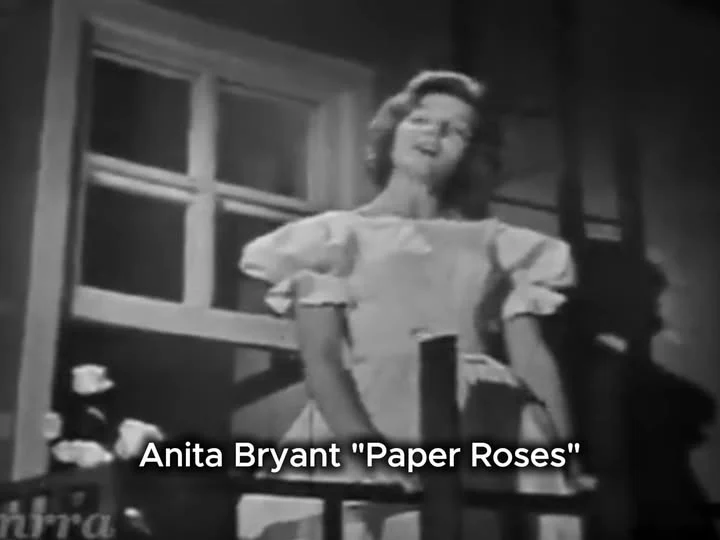
The song itself wasn’t written for Osmond. Anita Bryant first performed it in 1960. But Osmond brought it to a new generation, infusing it with a fresh emotional depth. The arrangement balances simplicity and elegance. The guitar provides both rhythm and melody, with a classic country twang that sets a warm, inviting tone. The steel guitar adds a layer of melancholy, emphasizing the bittersweet theme. The piano complements this with soft, flowing lines that elevate the piece. Subtle orchestral strings swell at key moments, lending a cinematic feel that heightens the sentimentality.
At the heart of it all is Osmond’s voice. Her youthful yet mature tone conveys a blend of innocence and heartache. Her impeccable phrasing and emotional delivery bring the lyrics to life, making listeners feel every word. The song tells a story of unfulfilled love and disillusionment, comparing a partner’s affection to “paper roses”—beautiful but artificial. This metaphor is both poignant and relatable, tapping into universal experiences of heartbreak.
Paper roses, paper roses
Oh, how real those roses seem to be
But they’re only imitation
Like your imitation love for me
Osmond’s delivery imbues the song with authenticity, conveying vulnerability without veering into melodrama. The structure builds gradually, leading to a soaring chorus that underscores the pain. The combination of thoughtful lyrics, expressive instrumentation, and Osmond’s heartfelt performance makes “Paper Roses” a standout in country music.
For fans seeking similar emotional resonance, several classic tracks offer the same heartfelt charm. Patsy Cline‘s “I Fall to Pieces” shares the theme of heartbreak and features lush orchestration. Jeannie C. Riley‘s “Harper Valley PTA” offers spirited narrative storytelling. Lynn Anderson‘s “Rose Garden” combines upbeat instrumentation with introspective lyrics. And Dolly Parton‘s “Jolene” remains a must-listen for its powerful storytelling and emotional weight.
Beyond its success as a single, “Paper Roses” became a staple of Osmond’s live performances, often serving as a highlight. It holds a special place in the hearts of fans, many of whom associate the song with personal memories. The track’s cross-generational appeal speaks to its brilliance. From the thoughtful instrumentation to Osmond’s vocal performance, every aspect is crafted with care. Its themes of love and heartache resonate deeply, making it a song listeners return to again and again.
Whether you are a longtime country enthusiast or a newcomer to the genre, “Paper Roses” offers something truly special. It stands as a shining example of why country music remains a timeless art form—a delicate paper flower that refuses to wilt.