
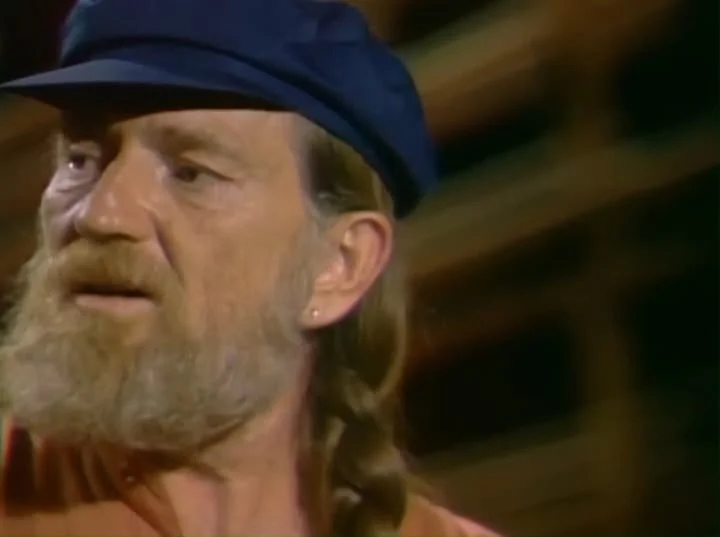
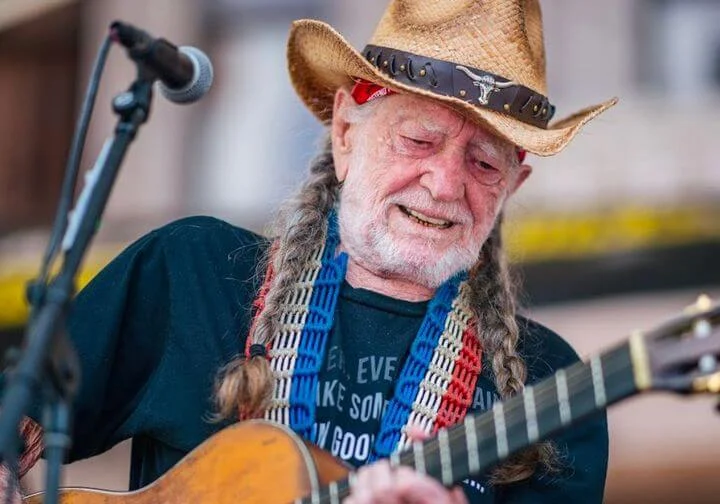
She’s a good hearted woman in love with a good timin’ man — these words, sung in a harmony that seems to bridge two souls, have become a timeless echo in the world of country music. But the story behind that voice, the one most listeners associate with Willie Nelson, is a surprising twist of authorship that deepens the song’s meaning.
When Waylon Jennings first penned “Good Hearted Woman” for his 1972 album, he was exploring a raw and honest dynamic. It wasn’t a simple love song. It was a portrait of a woman whose devotion outlasts her partner’s flaws, a man whose restless spirit keeps him chasing bright lights and late nights. The lyrics paint her as steadfast, someone who “never complains of the bad times” and instead clings to memories of good days and hope for more to come.
Yet, as with many great works, the song found its true home when Willie Nelson made it his own. Released as a duet in 1976, the two outlaw icons wove their voices together to create a layer of emotional depth that the original solo version only hinted at. Nelson’s signature phrasing — gentle, world-weary, yet full of tenderness — gave the woman’s story a new kind of resilience. It became less about a man’s apology and more about the quiet strength of unconditional love.
The song quickly became a cornerstone of the outlaw country movement. This was music that refused to sugarcoat life. “Good Hearted Woman” spoke to anyone who had ever loved someone imperfect, who understood that relationships are often a tangle of teardrops and laughter, of promises broken and kept. It resonates because it doesn’t judge; it simply observes.
So when you hear Willie Nelson’s version today, remember that the song is not just a melody. It is a journey through the human heart, where devotion and acceptance coexist with the quiet hope for change. It is a story that continues to captivate listeners, a reminder that love endures not because it is easy, but because it is real.