
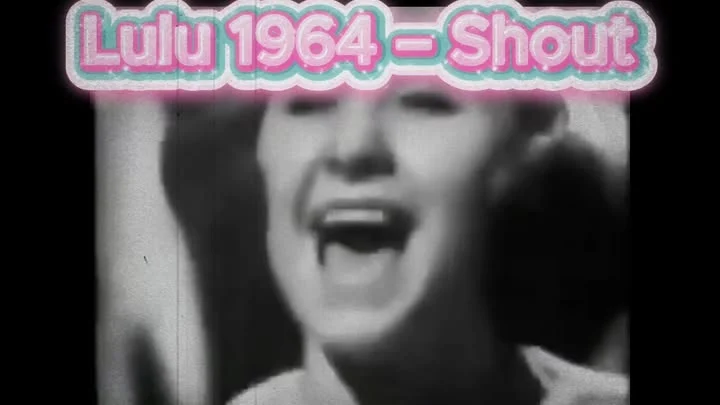
It started with a needle drop at a provincial school dance. The atmosphere was stiff and awkward until a raw, unpolished sound erupted from the speakers. Teenagers, suddenly liberated, dropped to their knees on the polished wooden floor, shouting the call-and-response refrain as a young Scottish girl commanded them from the record. This was the cultural explosion of Lulu’s debut single “Shout” a moment that broke the polite fourth wall of pop music forever
Lulu then known as Marie Lawrie from Glasgow was just fifteen years old in 1964 when she stepped into the studio. The air was thick with expectation and the low frequency hum of the tape machine promised raw energy. British pop, still reeling from the first Beatlemania shockwave, was desperate for something visceral. Something with grit in its teeth and smoke in its lungs. It found that something in a teenage girl with a voice too big for her small country
This was less a record release and more a sonic declaration of war
The track itself was a cover of The Isley Brothers ecstatic 1959 gospel R&B crossover. Released on the Decca label and credited to Lulu and The Luvvers the single soared into the UK Top 10 and peaked at number seven. Producer Peter Sullivan understood the assignment perfectly. He opted for a sound that was less polished Merseybeat and more ferocious live wire rock and soul. The result was the foundation stone of Lulu’s entire career arc proving she was more than just another pretty face with a microphone
Listening to “Shout” through modern premium audio equipment today the mix remains gloriously chaotic. The track opens with a sharp almost aggressive burst of sound. The Luvvers tight overdriven rhythm section drives the arrangement forward. The bassline is a simple but relentlessly pounding figure that locks in with the drums. Those drums sound like they were miked a little too close capturing every snare crack and frantic cymbal splash. This propulsive engine mirrors Lulu’s own boundless teenage exuberance
Two electric guitars create a delicious interplay. One offers chunky rhythmic chords that anchor the groove. The other cuts through with sharp blues inflected fills echoing the call and response dynamics of the original gospel version. There are no subtle string arrangements or sophisticated woodwinds here. This is four on the floor sweat and leather rock and roll energy. A Hammond organ or bright tinny piano fills the middle register swirling beneath the vocal with a subtle soulful texture
But it is the voice that steals the show. Lulu’s vocal performance is a masterclass in controlled abandon. She does not just sing the melody she attacks it. Her Scottish accent is discernible in the clipped urgent phrasing adding an unexpected grit. The performance moves seamlessly from a confident almost conversational beginning to the full throated ecstatic core of the song. When she hits the famous breakdown where the singer implores the audience to get a little louder a little lower her voice shifts into a defiant conversational bark. She completely inhabits the role of the R&B preacher
“Shout” is the sound of an artist finding her voice by appropriating the voice of an entire genre then delivering it with a conviction that makes it her own. The single’s success ensured that the debut album Something to Shout About released in 1965 would be a highly anticipated event. This was the moment Lulu transcended the regional band circuit and became a UK pop fixture. A path that would lead her remarkably to Bond themes songwriting and collaborations with David Bowie
The sheer unbridled energy of this single remains the yardstick against which her later more polished work is often measured. It is a moment of sonic purity a raw teenage roar captured on tape. The heavy use of the backbeat and the insistent riff from the lead guitar player give the track its timeless swagger. It screams live performance from the studio speakers a true artifact of the British R&B boom. The narrative drive of the song built on a simple premise of catharsis through collective movement and sound builds drops and explodes in under three minutes. This is less about technical studio wizardry and more about capturing lightning in a bottle
For those who connect with this raw R&B infused energy and defiant vocal here are adjacent tracks that channel a similar spirit
Them with “Gloria” from 1964 features that same garage rock rawness and insistent simple arrangement driven by Van Morrison powerful vocal attack. Dusty Springfield “I Only Want to Be with You” from 1963 is a touch more pop sophisticated but equally pivotal in translating American soul and R&B to a UK audience with an undeniable female vocal force. The Animals “Baby Let Me Take You Home” from 1964 is another early British Invasion R&B cover that captures the grit and blues based energy. The Liverbirds “Diddley Daddy” from 1966 represents the rarer female led UK beat groups offering an equally unpolished and energetic delivery. The Who “Anyway Anyhow Anywhere” from 1965 shares the same sense of youthful explosive defiance and propulsive untamed energy. And finally The Isley Brothers original “Shout” from 1959 is essential listening for understanding the gospel core and call and response dynamics that started it all