
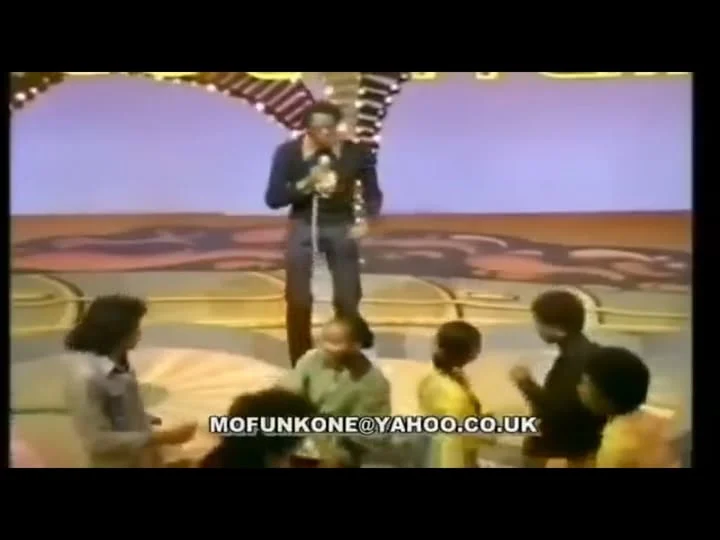
There is a moment inside “Walk Away From Love” when David Ruffin lets a single falsetto note tear through a polished string arrangement like a crack in a cathedral window. The note lands at the end of the chorus, on the word love, and it exposes everything the lyrics try to conceal. The song says he is leaving before things get worse. The voice says the damage is already done.
The year was 1975 and American soul stood at a crossroads. Philadelphia International offered sumptuous orchestral depth while New York disco hammered out a relentless four on the floor. Motown had pulled up its roots and relocated to Los Angeles, searching for a new identity in a landscape that had stopped waiting for it. Into this uneasy in-between walked David Ruffin, the man whose voice had defined the Temptations at their peak, carrying a record that bridged the gap between classic soul and the gleaming future.
Ruffin’s solo story had been a puzzle of brilliance and missed connections. He owned one of the most expressive instruments in popular music, a rasp that could turn a love song into a confession, yet his post Temptations years produced little that matched his talent. “Walk Away From Love” changed the conversation. It arrived as the lead track from his album Who I Am and gave him his first proper radio triumph in years.
The song owed its shimmer to Van McCoy, a producer and arranger fresh off the global phenomenon of “The Hustle”. McCoy knew how to build rhythm from strings and precision, and he placed Ruffin’s weathered voice on top of a beat that moved with the times without abandoning the emotional core of old school soul. The pairing was a stroke of inspired luck. Ruffin’s raw confession floated on McCoy’s glossy production and the result reached number one on the rhythm and blues charts while becoming his first solo single to crack the Pop Top 10 since his debut.
The track begins not with a drum break or a blazing guitar but with a low pulse of bass and the soft shimmer of a tambourine. The tempo is a careful strut, too fast for a ballad and too heavy for pure disco. It is the rhythm of a man moving forward with grim resolve. Van McCoy layers the arrangement like a painter stacking washes of color. The strings swell in dramatic waves, rising to punctuate Ruffin’s phrases and then sinking into a warm bed of sound. The brass stays in the background, offering sharp accents that keep the mood from turning too dark. The rhythm section holds everything together, with a piano figure that is simple, insistent, and slightly off center. In a good pair of studio headphones, the subtlety of the session players becomes clear, including the legendary Richard Tee on keys and Steve Gadd on drums, whose hands gave the track a jazzy sophistication far beyond standard soul pop.
The agony of the high note reveals the lie of the song’s premise. He says he is leaving before he gets hurt, but the height of that note proves the hurt has already begun.
Ruffin’s delivery throughout the verses is restrained and intimate. He does not reach for the desperate pleading of “My Girl” here. Instead he sounds like a survivor making a cold calculation, a man who has learned that desire and safety cannot occupy the same room. The pain lives underneath his control, in the way he shapes each phrase. Then the chorus arrives and the discipline gives way. When he sings the final line about walking away from love, his voice leaps an octave into a falsetto that sounds like a wound opening. It is a breathtaking and brutal moment, the point where the arrangement and the singer finally collide.
This song handed Ruffin a late chapter of glory, but it also carved a beautiful scar across everything that came after. “Walk Away From Love” became the defining statement of his solo years, a track that lives exactly on the line between Motown balladry and the orchestral sweep of disco soul. Listen to the whole Who I Am record today and the title track passes by as a solid groove. Then this song arrives and everything else fades into the background. Ruffin sang as if each note was his last and that urgency is what remains.
The story of walking away to save yourself has only grown more relevant. In an age of constant connection and emotional exhaustion, the decision to leave a draining relationship or a toxic situation is not an act of defeat but a form of survival. This song is the soundtrack to that hard choice, giving both the courage to move and the space to grieve. It is one of those deep cuts that makes a music subscription feel like a treasure hunt, a discovery that rewards attention and a reminder of how much emotional weight a single voice can carry.
For anyone drawn into the world of “Walk Away From Love”, a few other records occupy the same rich territory. Harold Melvin and the Blue Notes delivered that same lush sophistication on “Wake Up Everybody”. The Stylistics blended high falsetto drama with sweeping strings on “You Make Me Feel Brand New”. Curtis Mayfield offered a similarly personal take on mid tempo groove with “Future Shock”. Van McCoy himself showed his purely instrumental brilliance on “The Hustle”. Eddie Kendricks, another Temptations exile, found his own groove with “Keep On Truckin'”. And the O’Jays matched the hard driving soul disco energy with “I Love Music (Part 1)”. Each of these tracks carries the same blend of polish and feeling that makes Ruffin’s record a permanent classic.