
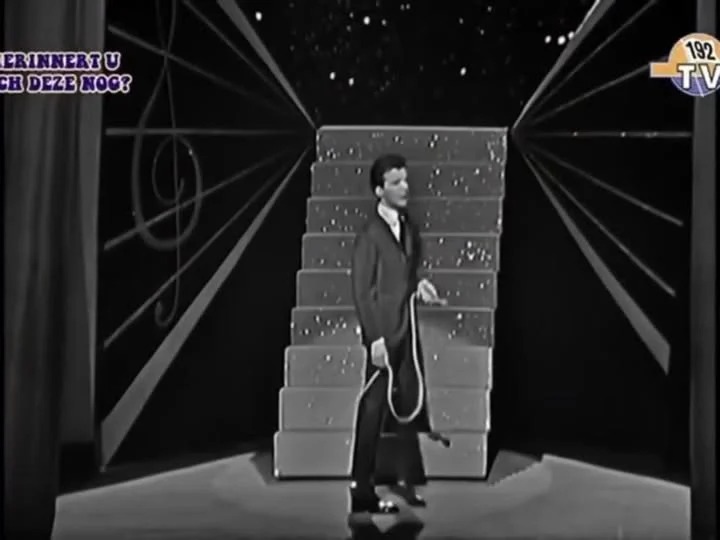
In the polished heart of 1961, a young man stood in a recording studio, surrounded by strings and a choir, preparing to surrender the love of his life with the kindest, saddest words a pop song had ever offered. Bobby Vee was not a rebel. He was the boy next door, the one who lost gracefully. And his single “Run To Him” became a three-minute monument to dignified heartbreak, a sound that defined the quiet ache of a generation.
Vee’s story began in tragedy. He was the teen idol who stepped into a void left by Buddy Holly’s untimely death, filling in for the fallen rock pioneer on a tour that winter. That happenstance launched a career built not on swagger but on sincerity. By 1961, signed to Liberty Records, he had already scored a number one with “Take Good Care of My Baby.” Its follow-up, “Run To Him,” released later that year, became an even more poignant statement of emotional surrender, anchoring his 1962 album of the same name. This was Vee at his commercial zenith, a moment when youthful vulnerability was paired with the sophisticated production of Snuff Garrett and the songwriting magic of Gerry Goffin and Jack Keller.
The recording studio itself felt like a velvet gloom. Garrett’s production was a masterclass in controlled melodrama. The song does not explode; it swells. A distinctive, insistent drum pattern from session ace Earl Palmer drives a tempo that is both urgent and restrained, pushing toward inevitable heartache. Over this, the piano provides wide, sustained chords that serve as a rich textural foundation. Then the strings enter, not as a token gesture but as a full orchestral sweep that provides the tears Vee’s stoic voice refuses to shed. The shimmer of high strings seems to suspend the moment of decision, when the singer hands over his beloved.
Vee’s vocal performance is the core of this tragedy. His high, clean voice carries no trace of aggressive swagger. It is infused with heartbreaking sincerity. He sounds like the nice guy who loses but accepts defeat with weary nobility. The lyrics by Goffin and Keller are economical yet profound teenage angst. The singer watches his girl’s affection drift, acknowledging that she has found another guy who satisfies her more. The famous titular hook is not a plea but an instruction, repeated like a mantra of surrender: “Run to him. Run to him.”
What makes the climax so effective is the backing vocal arrangement. The Johnny Mann Singers provide a soaring, almost operatic choral echo on the title line. This magnifies the singer’s loneliness, turning personal agony into a grand, public announcement. A single vulnerable voice against the overwhelming unanimous chorus. The final brief echo—a lingering high-pitched “run to him”—leaves a chill long after the song’s quick fade-out.
The rhythm section’s restraint is key to the song’s sophistication. The guitar work is minimal, confined to clean arpeggiated figures or short chiming chords that emphasize harmonic changes, never attempting a solo. The bass line is steady yet fluid, providing a melodic anchor. The overall texture is soft-focus, a warm wash of sound that wraps the listener in the narrative. This recording quality, free of harshness, reveals the nuances of orchestral overdubs and subtle reverb on Vee’s voice.
“The song is a perfectly realized drama of dignified defeat, orchestrated with an intimacy that belies its chart ambition.”
“Run To Him” is not about fighting for love. It is about recognizing the futility of the fight and offering a bittersweet, self-sacrificing blessing. It is the sound of the ultimate polite early-1960s gentleman. This cemented Vee’s identity as the sensitive boy next door, a dependable presence on the charts at the critical juncture just before the British Invasion changed everything.
The themes of the song transcend its era. Watching a love inevitably move on and choosing to step aside rather than cause pain is timeless. For a young person today exploring this era, “Run To Him” provides a crucial historical lesson: the early 60s produced emotionally complex popular music beneath their bubblegum reputation. The depth of feeling ensures endurance. It is a beautifully crafted piece of music—a moment when the factory line of pop hits produced a genuine poignant artefact.
Its widespread success—reaching the Top 5 in the US and the Top 10 in the UK—validated the Brill Building formula and Garrett’s production instincts. Audiences, particularly teenagers, were ready for high-gloss heartbreak. The sophistication of the arrangement meant even older critical listeners could appreciate the craft. This track represents the high-water mark of the pre-Beatles teen idol, proving their staying power was built not on looks alone but on truly great songs.
Listening Recommendations: Adjacent Moods and Arrangements
Gene Pitney – “Town Without Pity” (1961) shares the same dramatic orchestrated sweep and youthful emotional weight.
Del Shannon – “Hats Off to Larry” (1961) offers another early 60s hit about dignified romantic surrender.
The Teddy Bears – “To Know Him Is to Love Him” (1958) features similar yearning high-register vocals and a restrained reverent mood.
Dion – “The Wanderer” (1961) provides a perfect contrast, showcasing the rougher less orchestrated side of contemporary male vocal hits.
Ricky Nelson – “Travelin’ Man” (1961) is another teen idol example with a laid-back country-inflected approach.
Johnny Mathis – “Misty” (1959) offers the full lush sound of string-heavy pop ballads that underpinned this production style.