
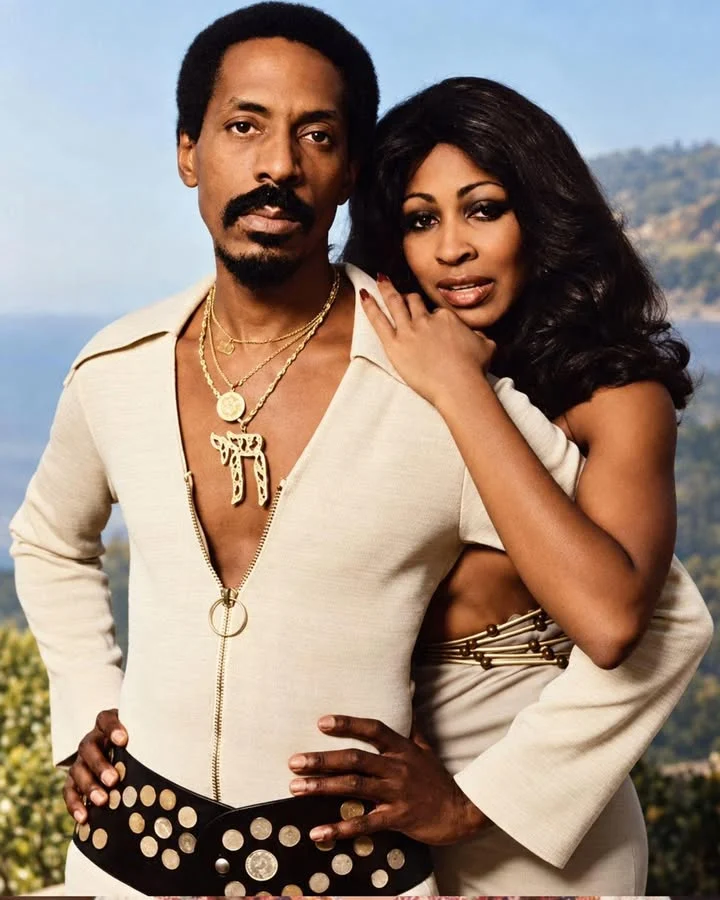
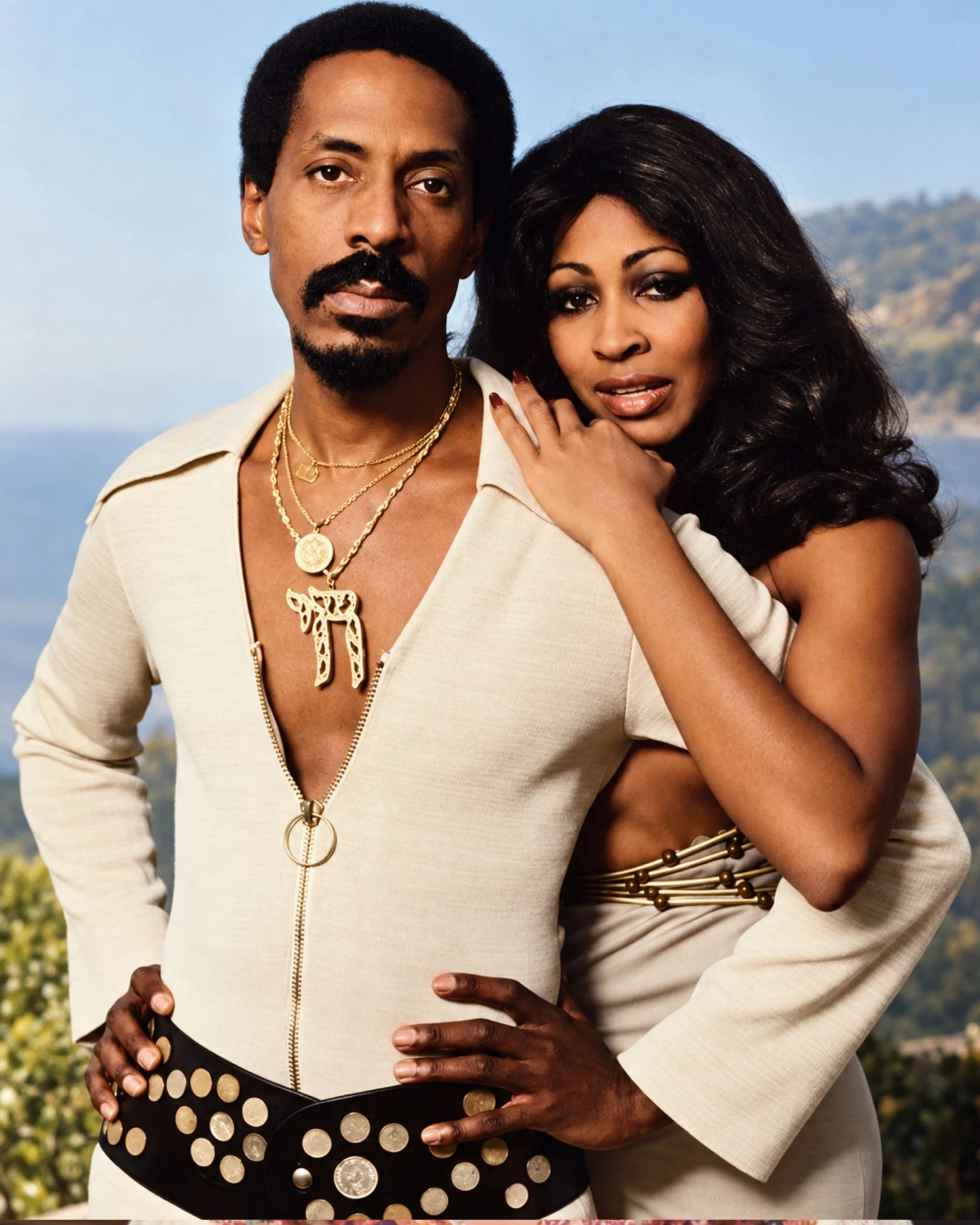
Only one name appeared on the sleeve, but the room still belonged to Ike.
In June 1974, Tina Turner walked into Bolic Sound—the Inglewood studio built at the heart of Ike Turner’s musical empire—to record her first solo album. The songs she chose were not the volcanic revue numbers audiences expected. Instead, she turned to Kris Kristofferson’s “Help Me Make It Through the Night,” Hank Snow’s “I’m Moving On,” Dolly Parton’s “There’ll Always Be Music,” and two Bob Dylan compositions. The album, Tina Turns the Country On!, featured a restrained band: James Burton on guitar, Glen D. Hardin at the piano, steel guitar, and backing vocals from Merry Clayton and Clydie King. Tina did not mimic Nashville conventions; she carried the songs through the same body that had driven “Proud Mary” across stages, but here the force was gathered rather than unleashed.
United Artists released the record in September 1974. Contemporary reviewers noted the range in her voice and predicted country airplay. It did not chart. Its only major recognition came from the Grammys, which nominated it for Best R&B Vocal Performance, Female. A country album had entered the business, and the business returned it to the category already assigned to the Black woman singing it.
Two years later, Tina fled Ike after a violent Dallas confrontation. Her rebuilding—and the 1984 triumph of Private Dancer—gave the public a cleaner origin story. The 1974 album remained obscure, hard to find, easy to omit. When Rhino finally reissued it on vinyl in 2024, listeners encountered a record made ten years before the comeback usually described as her beginning. It should not be mistaken for a secret declaration of escape. Tina was still inside Ike’s studio, marriage, and revue. Yet the sleeve preserved one quiet fact ahead of its time: only her name.
Why the Industry Heard R&B Instead of Country
The Grammy nomination honored her voice but trapped it in a category based on her identity. Black musicians had shaped country music for decades, yet the industry’s racialized markets persisted. In 1974, the Pointer Sisters won a country Grammy for “Fairytale,” and Linda Martell had already played the Grand Ole Opry. Tina’s album was more than a genre detour—it was a full country statement. The institution heard the singer before the music.
The Power of Restraint
Onstage, Tina’s voice was a physical event—explosive, commanding. For this album, she dialed it in. “Help Me Make It Through the Night” carries need without helplessness. “I’m Moving On” gains weight from a singer whose life allowed little stillness. “Bayou Song” lets the record gather heat. The productive tension is the sound of a singer known for release learning to keep force inside the line.
A Beginning That Lost Its Place
When Private Dancer arrived, its power pushed earlier work to the margins. Tina Turns the Country On! became prologue, if mentioned at all. The cleaner narrative said Tina escaped, struggled, then became a solo star. That was emotionally satisfying but discographically incomplete. Her 1974 debut revealed an interpreter already able to stand alone—but the market did not build a durable place for it.
Half a Century Later
The 2024 reissue lands in a changed cultural conversation. Beyoncé’s Cowboy Carter and historians’ work on Black artists in country music have opened space for this record. Its value lies partly in its difficulty: a country record that did not chart, a solo debut made without independence, praised for its crossing yet nominated within the category expected for her. Recovery is most useful when it preserves that complexity. Today, the cover still holds one name: Tina Turner.