
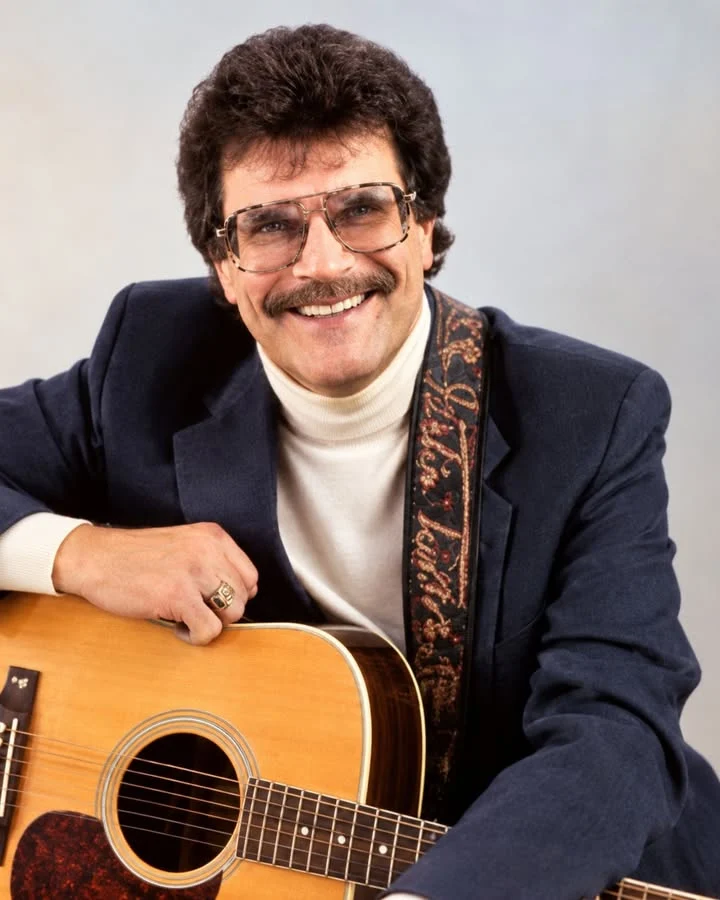
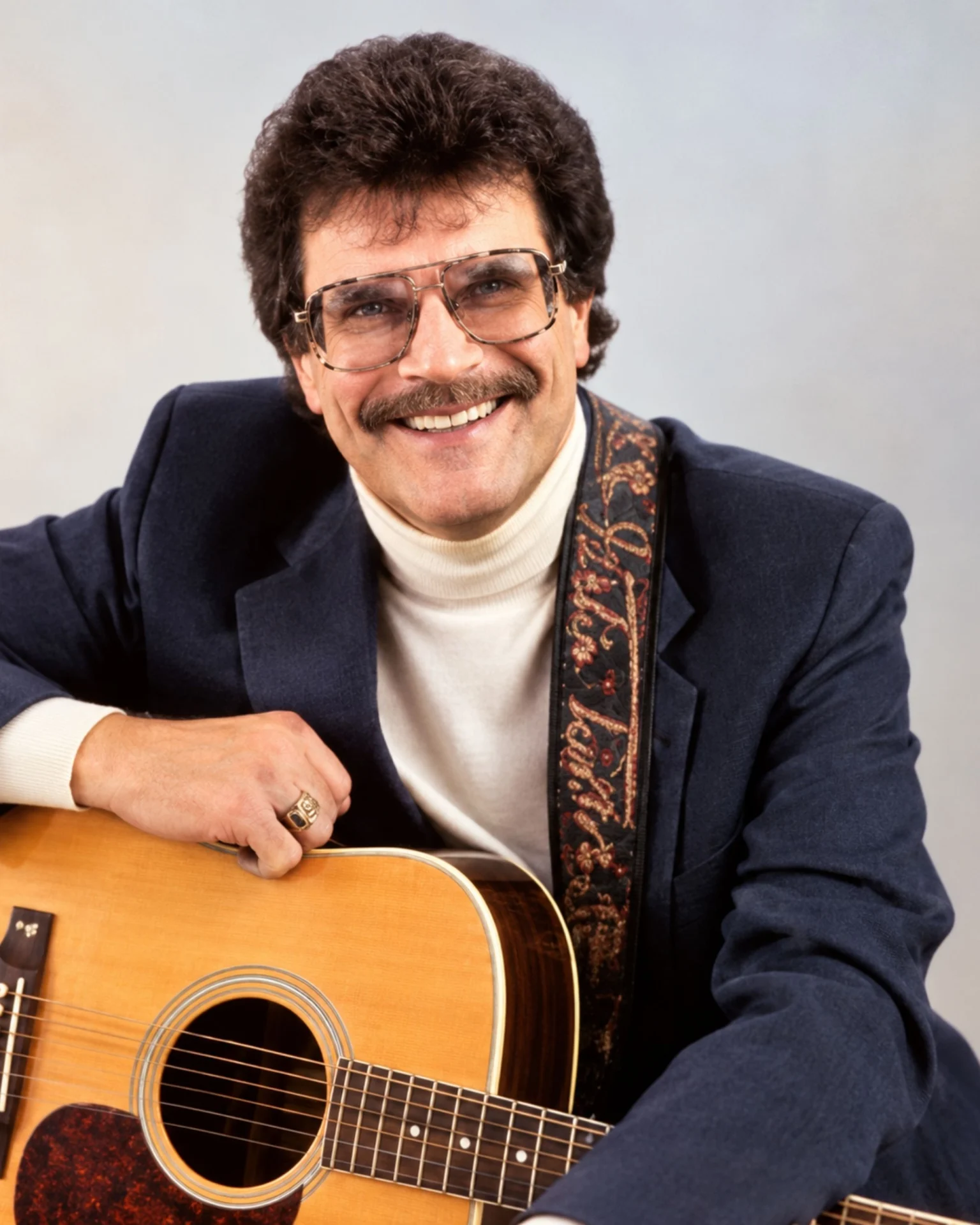
He was singing on the radio at four and on the Opry at nine, but the name that opened every door also demanded a price Justin Tubb spent his whole career paying.
Justin Tubb was barely old enough to hold a microphone when he first sang on the radio, yet even then, everyone knew exactly whose son he was. By nine, he had already stepped onto the Grand Ole Opry stage, but the blessing of being Ernest Tubb’s boy came with a shadow that never quite lifted. The Texas Troubadour had helped define country music itself, and Justin grew up close enough to that machinery to see both its gifts and its traps. He understood that a famous father could unlock rooms, but also make every achievement feel borrowed.
So instead of coasting on the family name, Justin chose a harder path. He studied journalism at the University of Texas, formed a small country band on the side, and later moved to Nashville to work as a disc jockey at WHIN in Gallatin. Ernest himself encouraged that radio job, knowing it would teach his son to command a microphone and connect with an audience without relying on applause or recognition. It was a different kind of apprenticeship, one that forced Justin to learn control rather than inheritance.
The breakthrough didn’t come overnight. His early Decca singles struggled, but duets with Goldie Hill began charting in 1954, and a year later, at just twenty, Justin joined the Grand Ole Opry as its youngest male member. That milestone carried double weight: it confirmed the reach of the Tubb lineage, but also gave Justin a separate milestone, proving he could walk through the door as himself.
Yet his most lasting contribution came from the writing room. Justin wrote Lonesome 7-7203 for Hawkshaw Hawkins, along with Love Is No Excuse and Keeping Up with the Joneses, songs recorded by legends like George Jones, Patsy Cline, Jim Reeves, Faron Young, and Dottie West. Six of his compositions earned BMI awards, recognition based on craft rather than bloodline.
The songs gave Justin a second foundation—one Ernest Tubb had not simply handed him.
Father and son still crossed paths. Justin wrote material Ernest recorded, worked alongside him in the Ernest Tubb Record Shops, and near the end of his own life assembled a duet project from recordings Ernest had left behind. That project, Just You and Me Daddy, was released after Justin died in 1998. It holds the tenderness and complication of a relationship that was never about rejection, but about earning the right to stand beside.
By then, the name Tubb no longer pointed in only one direction. Ernest had given Justin access to country music. Justin spent the rest of his career making sure the songs gave him a reason to stay there. And in the end, the son who refused to be defined by his father’s shadow wrote himself into the music forever.