
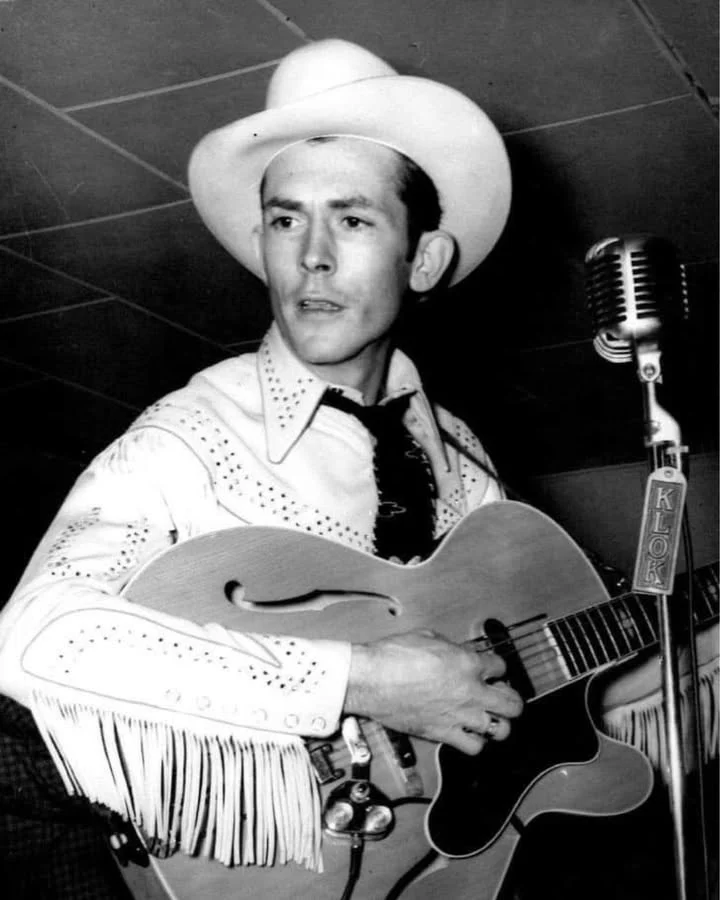
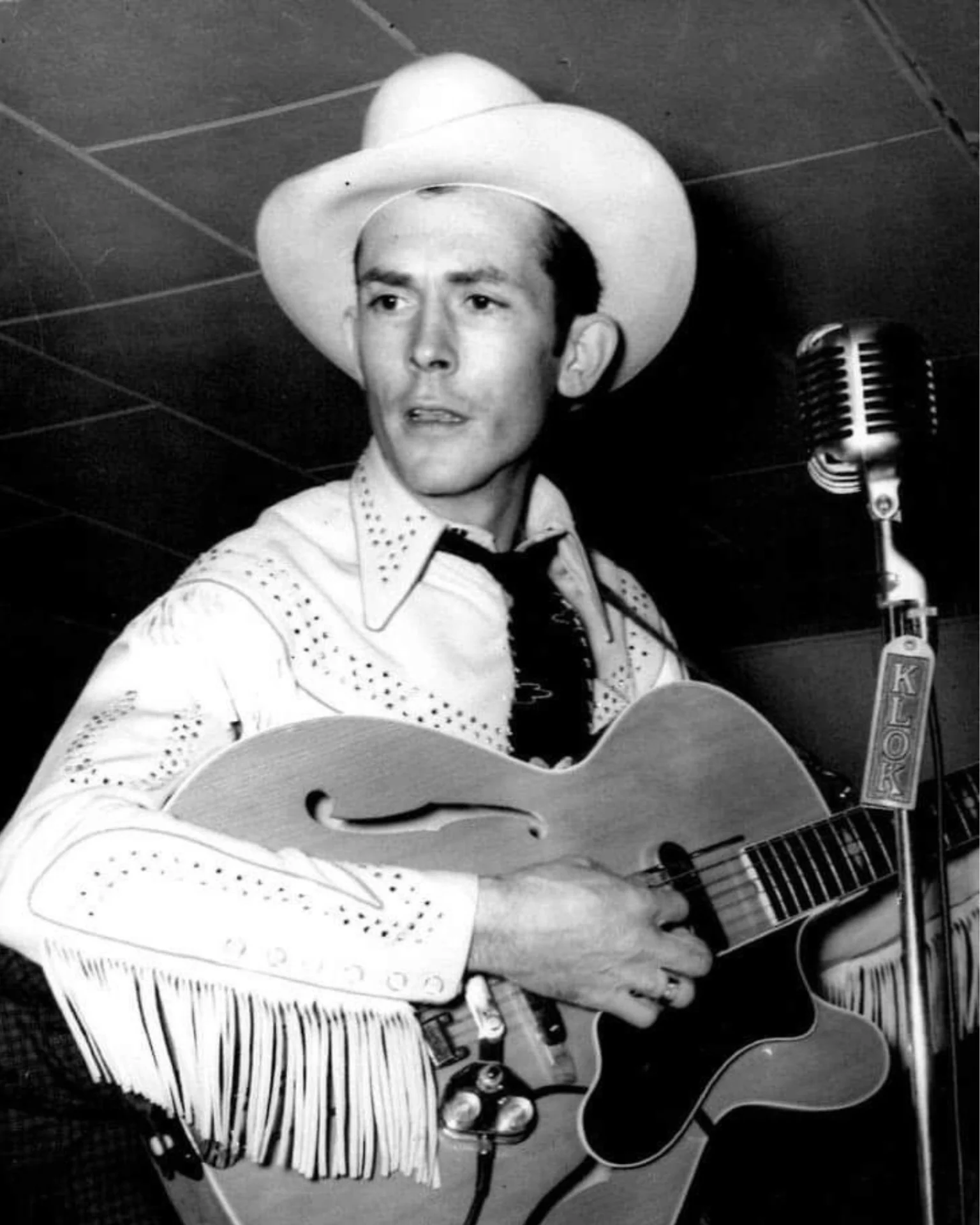
The silence inside the sold out Canton auditorium was heavier than the applause it never received.
On New Year’s Day in 1953 thousands of fans sat in a holiday glow waiting for Hank Williams to bring his blazing country music to the stage.
Instead of music a stage announcement delivered a crushing truth and the crowd fell still.
Hank Williams was only 29 years old and he had already died in the backseat of a pale blue Cadillac on the way to that show.
For country music the loss felt like a candle blown out in winter wind.
For people who knew him closely it also felt like the end of a long and painful struggle.
In his final months Williams fought the severe physical toll of spina bifida while his personal life collapsed around him.
He lived and performed with frantic intensity as if the hours were slipping through his fingers.
That sense of doom was pressed permanently into his final single I’ll Never Get Out of This World Alive.
Released in November 1952 just weeks before the fatal drive the record told a raw story of constant struggle inescapable bad luck and the heavy realization of mortality.
The song leaned into dark humor while turning private despair into a theme millions could feel.
No matter how I struggle and strive I’ll never get out of this world alive.
The full lyrics remain searchable online for anyone who wants to sit with that final confession.
The making of the record was even more painful than its message.
When Williams entered Castle Studio in Nashville in June 1952 his body had visibly deteriorated.
Chet Atkins played lead guitar during the session and later recalled how agonizing the recording became.
Williams was so exhausted that after singing only a few lines he had to collapse into a chair to catch his breath.
Atkins watched the weary singer pour every last ounce of strength into the microphone.
Those in the room could hear that the resignation in his voice was not performance but the sound of a man whose body was shutting down.
After the sudden passing the track climbed to become his eleventh Number One hit.
The chart position was no longer just a commercial achievement.
It became a collective memorial from an audience trying to process an unthinkable absence.
For fans who bought the record in early 1953 listening felt like receiving a final and painful prophecy.
The upbeat tempo made the tragedy cut even deeper and the voice became both comforting and haunting.
Williams had turned his own physical and emotional pain into a three minute song and changed the emotional honesty of country music.
He did not merely sing about heartbreak.
He documented his own unraveling in real time and gave listeners a truth that felt impossible to forget.
Decades later the pale blue Cadillac and the canceled Ohio show remain fixtures of American folklore.
Yet the truest testament to his legacy is the fragile and furious voice he left behind.
The auditorium emptied and the highway journey ended in sorrow but the Nashville recording ensured his story would continue long after the music stopped.