
Charlie Derrington’s fingers moved over the fractured wood like a surgeon’s. He had been given a box of splinters and asked to return an instrument. On the bench before him lay the remains of Bill Monroe’s 1923 Gibson F-5 the mandolin that had anchored bluegrass for decades. Derrington could have rebuilt it with new wood. Instead he chose to save every original piece he could no matter how small. The goal was not to hide the attack. The goal was to let the mandolin remain itself.
The goal was not to make the attack disappear. It was to recover enough of Monroe’s original mandolin for it to remain itself.
That philosophy guided every hour of the three month reconstruction. Derrington worked forty hour weeks examining grain lines and matching edges. Some pieces were no larger than toothpicks. He glued them back into their original positions forming internal supports to hold the curved plates while the adhesive set. The damage was too extensive for the repair to vanish. But that was never the point.
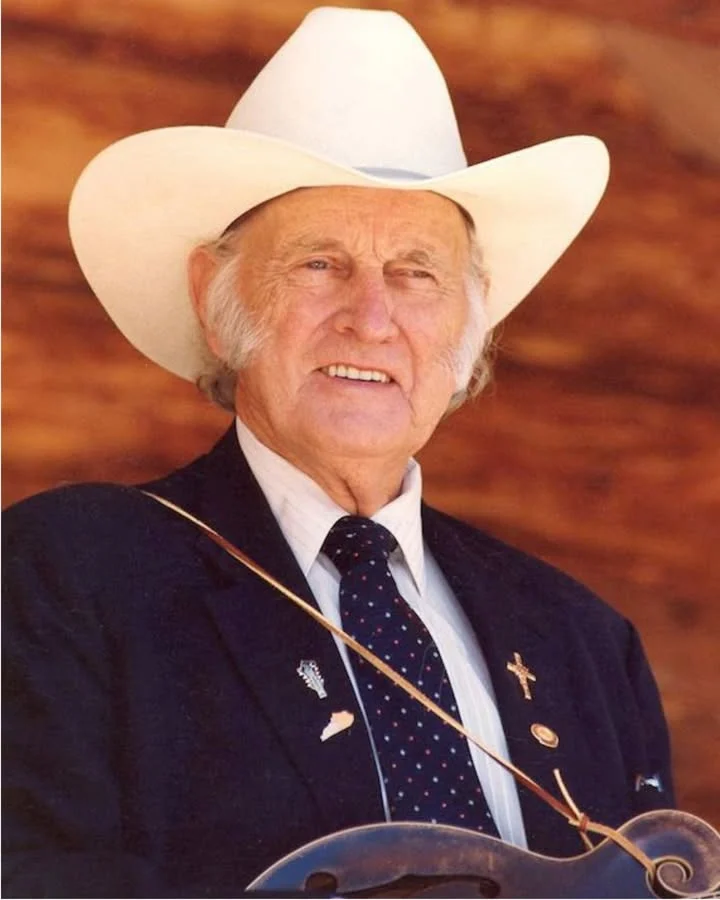
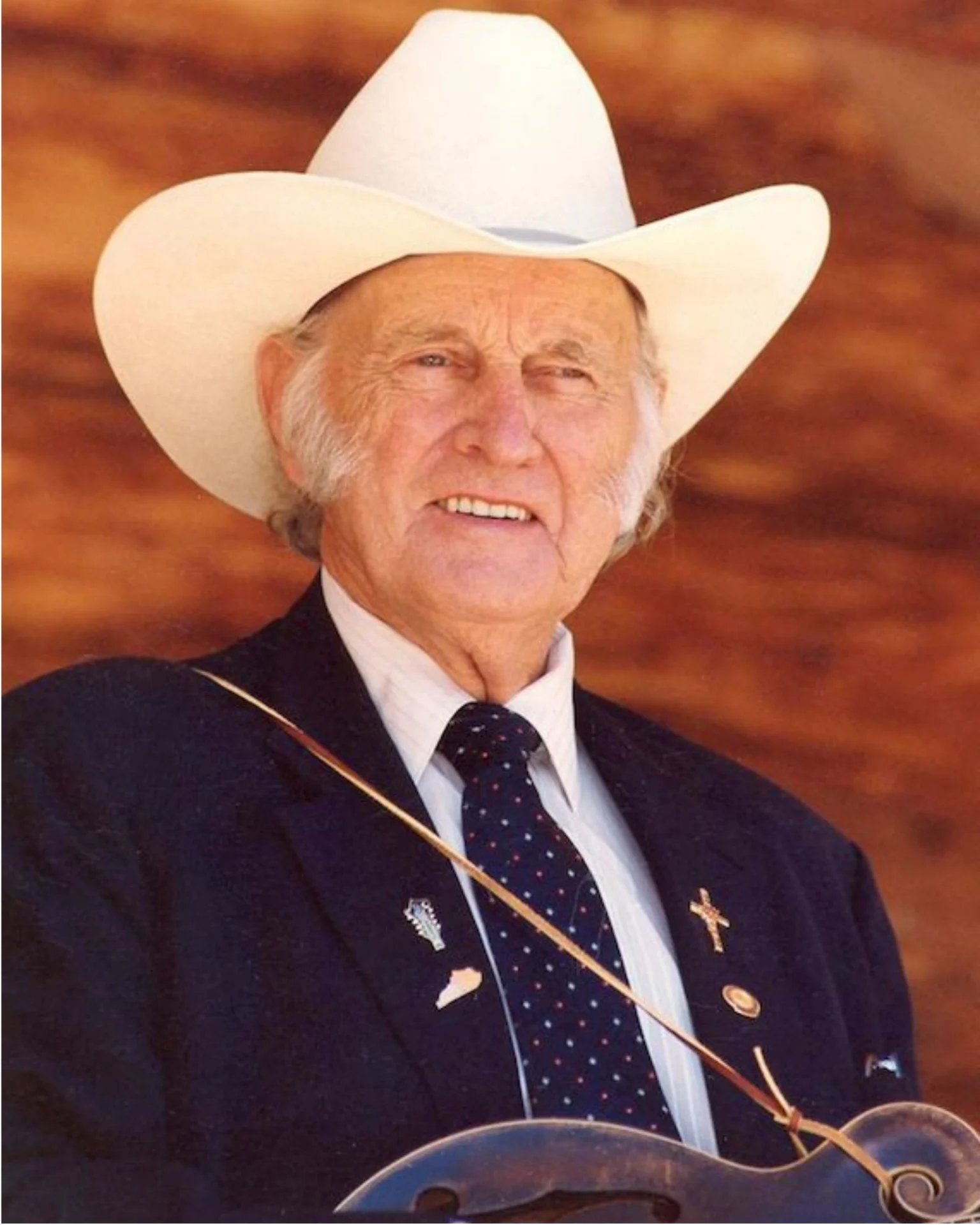
The mandolin had entered the world in 1923 signed by the legendary Gibson designer Lloyd Loar. It was crafted during a golden era of instrument making. But its true significance came when it found its way into the hands of a young Bill Monroe. Stories say Monroe discovered it in a Florida barber shop. He recognized something in its voice that matched his own vision. Monroe played with a percussive attack unheard of in mandolin music. He drove the instrument hard claiming a place for it in the front line of a new sound that would become bluegrass. The mandolin’s top bore the marks of his style a worn finish and subtle modifications that proved it was a working tool not a museum piece.
On November 13 1985 Della Monroe returned home to find two mandolins broken near the fireplace. The Loar F-5 had taken the worst damage. A fireplace poker had smashed through its carved spruce top. The body had splintered into pieces so small that anyone else would have declared it hopeless. The attacker was never identified. No arrests were made. But the mandolin’s fate was placed in the hands of Charlie Derrington at Gibson.
Derrington faced a choice. He could replace entire sections of the mandolin creating a structurally sound but historically blank object. Or he could reassemble the original material piece by piece accepting that the cracks would remain visible. He chose the harder path. Over several months he built forms to hold the broken geometry and glued every recoverable shard back into place. The mandolin gradually regained its shape but its scars told the story of both injury and healing.
I was not trying to make it look new. I was trying to make it his again.
On February 25 1986 Monroe came to Gibson to reclaim his instrument. Film captured the moment. He took the mandolin without hesitation. He played a few notes. The sound that emerged was pure Monroe. The cracks did not weaken the voice. In fact they may have become part of it. Monroe did not retire the instrument. He continued performing with it for another decade until his death in 1996. The mandolin was not a relic to be cased. It was his tool his voice on stage.
After Monroe’s death the mandolin faced a different kind of journey. It was eventually acquired through the generosity of philanthropist Bob McLean and placed in the Country Music Hall of Fame and Museum. There it rests visible to the public. The cracks are still there. They form a map of its history a history that includes not just Monroe’s playing but Derrington’s dedication. Ricky Skaggs played the mandolin at the announcement reminding everyone that its true purpose was music.
The mandolin in the museum is not a perfect 1923 Gibson. It is Bill Monroe’s mandolin scraped played shattered joined and played again. Its scars are not defects. They are evidence of survival and the choice to preserve what matters.