
Hank Williams Jr. was searching for silence on Ajax Peak when the snow collapsed beneath him and sent him tumbling nearly 500 feet down a brutal rock face. That fall on August 8, 1975 shattered his skull, exposed his brain, broke his jaw, and turned a quiet escape into a desperate battle for survival.
He was 26 and traveling with a friend through the snow-covered terrain in Beaverhead County, Montana, hoping to step away from the heavy expectations of the Nashville music industry and find a place to write.
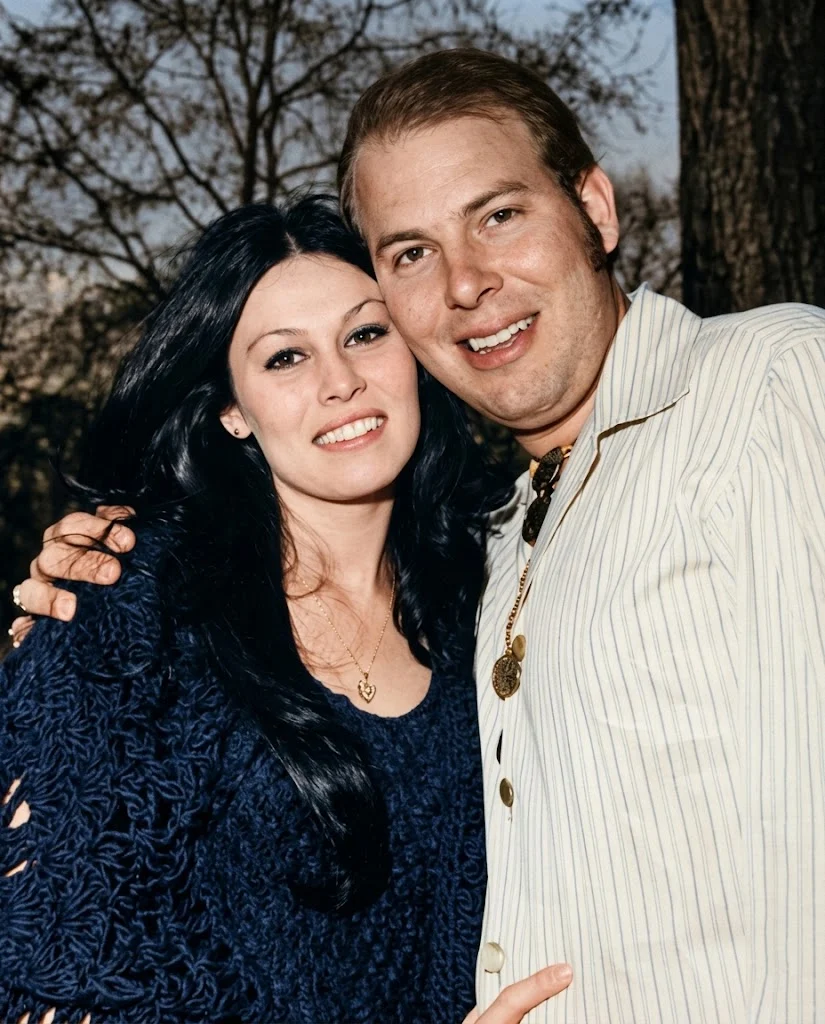
Rescue crews fought through exhaustion to bring him out. When he reached a hospital room in Missoula, many people believed the worst had already happened. Country music waited in dread while his wife at the time, Gwen Yeargain, sat through long and terrible nights, wondering whether her husband would live and whether he could ever sing again.
Recovery became a marathon of pain. Over more than two years, Hank Williams Jr. endured nine major reconstructive surgeries. Doctors pieced his face and skull back together, but the hardest work began after the operating rooms. His jaw was wired shut for a long stretch, forcing him to relearn chewing and speaking through agony.
That broken body changed his music in ways no manager could have planned. The smooth traditional country croon demanded by executives no longer fit his damaged voice. Instead he pushed deeper, rougher, more forceful sound through a healing jaw, and the music grew grittier and more defiant.
During long months of healing, he listened hard to the records moving around him. Bands like The Marshall Tucker Band and The Allman Brothers fed his imagination. He fused their driving Southern rock energy with his country roots and built a new sound shaped by survival.
He went up the mountain trying to escape his father’s shadow, and he came down carrying a scarred face, a broken jaw, and a voice that belonged only to him.
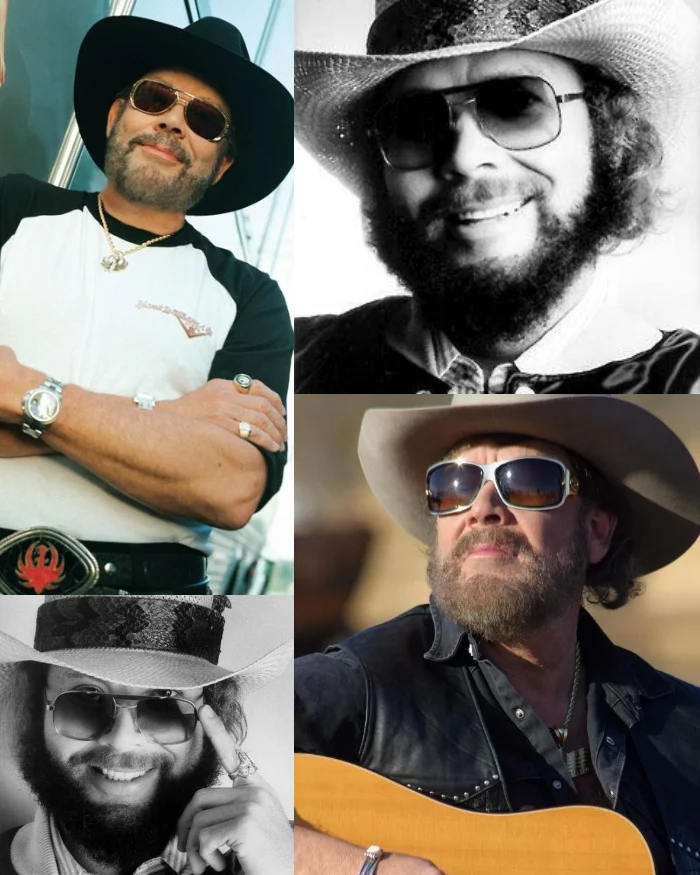
The surgeries saved his life but left permanent scars across his face. He refused to let those wounds define him publicly. He grew a thick beard, wore dark sunglasses over the scarring around his eyes, and pulled a cowboy hat low across his forehead.
What began as protection became legend. The beard, the shades, and the hat turned into a signature that fans could recognize instantly. Behind that image was a man who had rebuilt himself from a fall that should have ended everything.
Hank Williams Jr. did not just survive August 8, 1975. He turned the trauma into identity, and the country music world heard the proof in every rough note he sang afterward.